Scientists discover a surprising link between vitamin C and cancer survival
A clinical trial suggests daily vitamin C supplementation might improve survival and reduce complications in people with precancerous blood disorders and early-stage blood cancers, though more research is needed to confirm these findings.
Paste the copied caption into your Instagram post. Caption links are not clickable; add the article URL to a Story link sticker or your profile link.
Open InstagramFor information, not personal medical advice. Discuss treatment decisions with a qualified clinician.
Key takeaways
- A clinical trial found that daily vitamin C intake in patients with precursor blood disorders and early-stage blood cancers was linked to fewer adverse events and better survival outcomes.
- The study suggests a potential protective effect of vitamin C in managing early blood cancer conditions, though this is based on a single trial without detailed data on dosage or long-term effects.
- More extensive research is needed to confirm vitamin C's role in improving survival, as correlation does not imply causation and supplementation risks were not addressed.
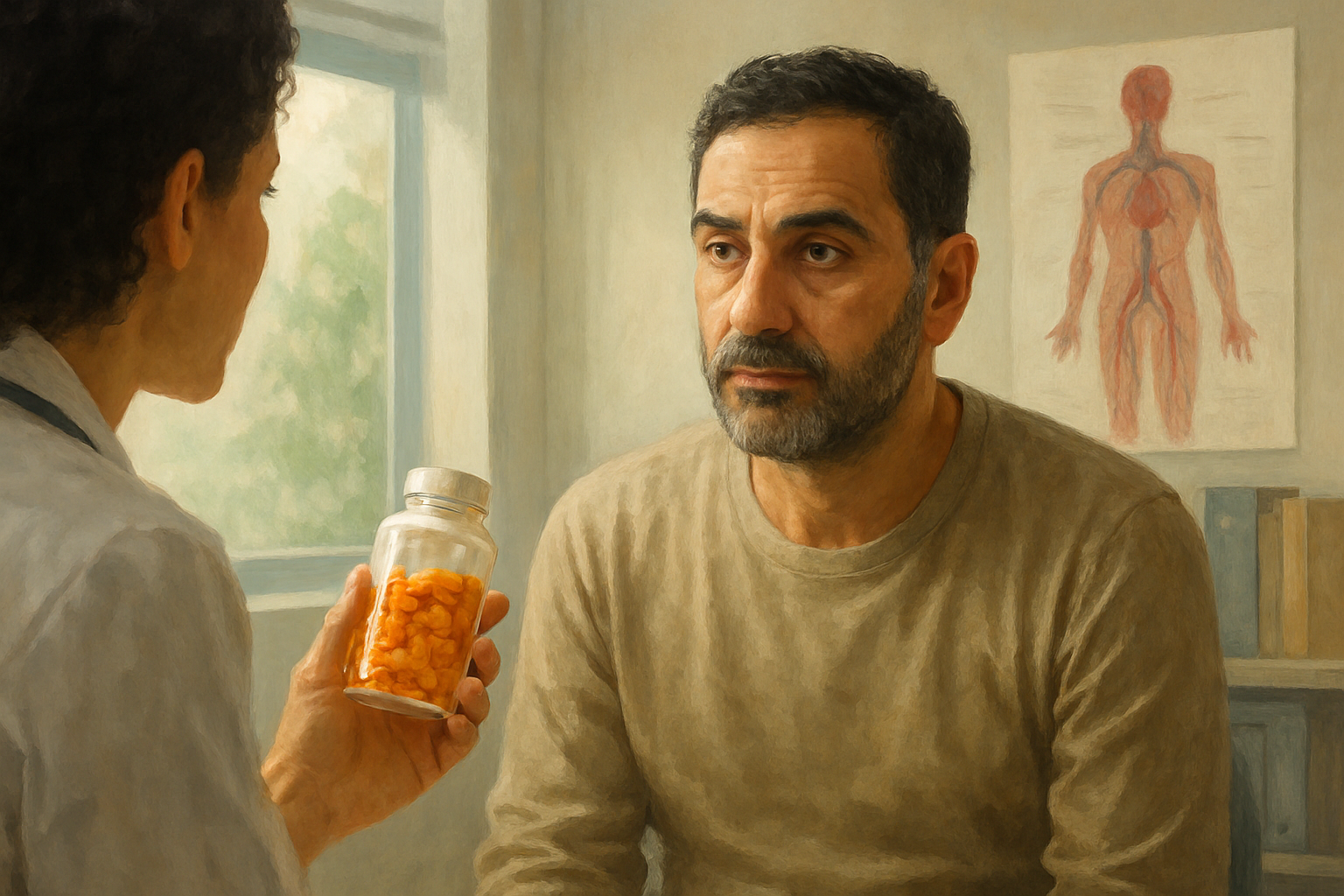
Recent clinical research has explored the impact of daily vitamin C intake on patients with precursor blood disorders and early-stage blood cancers such as leukemia. This trial observed that participants taking vitamin C experienced fewer adverse events and showed a promising survival benefit compared to those who did not receive the supplement.
Understanding the Findings
The study reported that vitamin C supplementation correlated with better survival outcomes and reduced complications related to leukemia. This indicates a potential protective effect of this common nutrient in managing early blood cancer conditions.
Details of the Evidence
The findings come from a clinical trial involving people diagnosed with precancerous blood conditions or early-stage blood cancers. The intervention group received daily vitamin C supplements, and their health outcomes were compared to those who did not.

Limitations and Uncertainties
While the results are encouraging, they come from a single study. No information is available regarding the size of the trial, duration, dosage, or long-term effects. Importantly, correlation does not prove causation, and more extensive studies are necessary to confirm whether vitamin C directly improves survival in these patients.
Additionally, vitamin supplementation can have side effects or interact with other treatments, and these risks were not detailed in the report. Patients should not alter their treatment plans based on this preliminary evidence alone.
Possible Implications
If future research confirms these findings, vitamin C could become a simple and accessible adjunct in managing certain blood cancers. However, until then, vitamin C cannot be considered a treatment or preventive measure for cancer survival.
Source: ScienceDaily Medical
Paste the copied caption into your Instagram post. Caption links are not clickable; add the article URL to a Story link sticker or your profile link.
Open Instagram