Scientists discover a way to kill dangerous gut bacteria without killing the good
Researchers have identified a natural compound that can selectively kill harmful Clostridium difficile bacteria while preserving beneficial gut microbes, offering hope for more effective and gentler treatments for recurrent intestinal infections.
Paste the copied caption into your Instagram post. Caption links are not clickable; add the article URL to a Story link sticker or your profile link.
Open InstagramFor information, not personal medical advice. Discuss treatment decisions with a qualified clinician.
Key takeaways
- Scientists discovered a natural compound that selectively kills harmful C. difficile bacteria without damaging beneficial gut microbes.
- Current data come from early lab studies; no animal or human trials have yet been reported to confirm safety or effectiveness.
- If proven, this compound could offer a new treatment for C. difficile infections that preserves gut microbiome balance and reduces relapse risk.
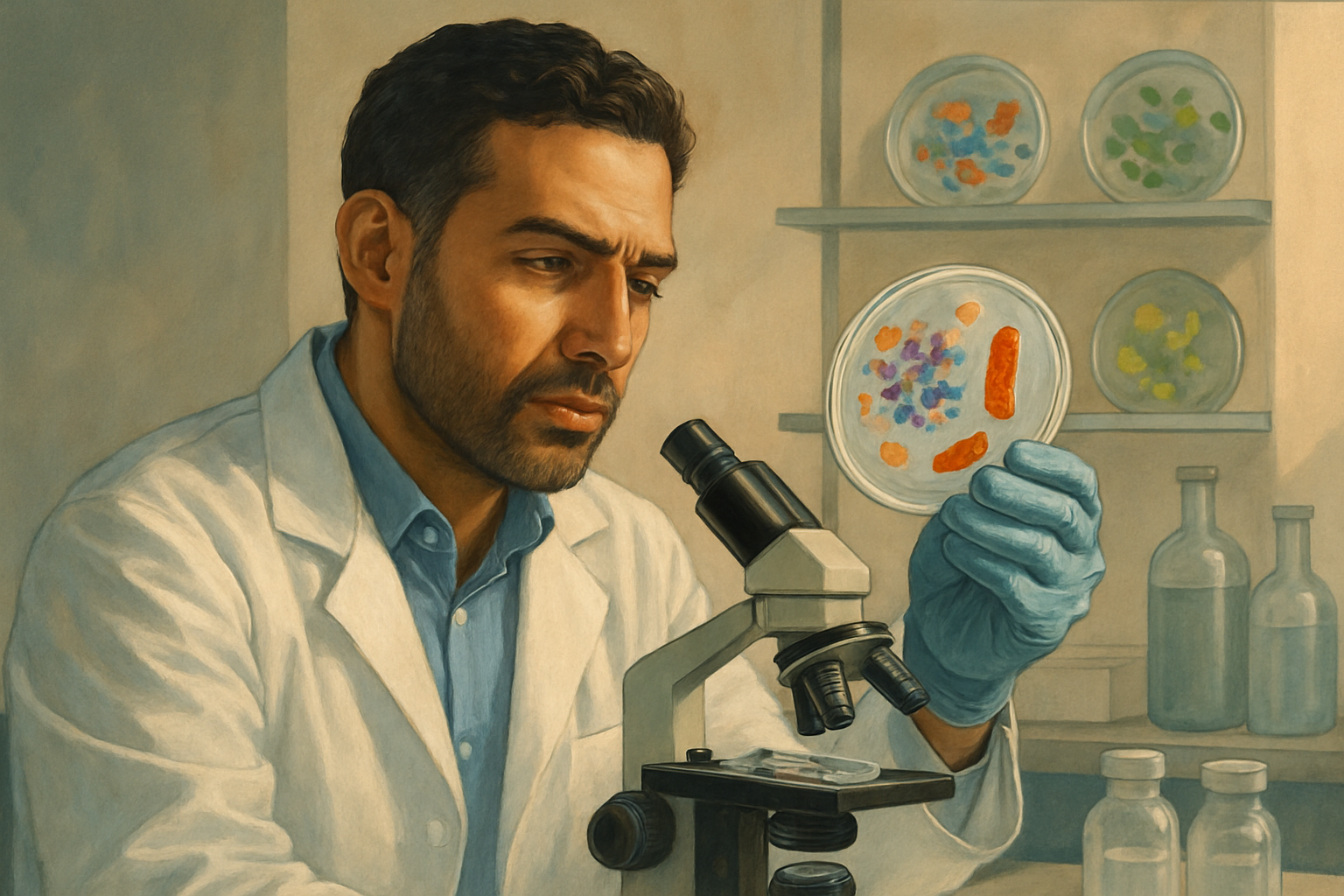
Finding: Scientists have found a natural compound that targets the harmful bacterium Clostridium difficile (C. difficile) without destroying the beneficial microorganisms that normally live in the gut. This discovery may lead to treatments that avoid common issues linked with current therapies, such as damaging the entire microbiome and leading to infection relapse.
What is C. difficile?
C. difficile is a type of bacteria that can cause severe intestinal infections, often after use of antibiotics. These infections can be difficult to treat because they tend to come back and because antibiotics often kill other helpful bacteria in the gut.
The new discovery
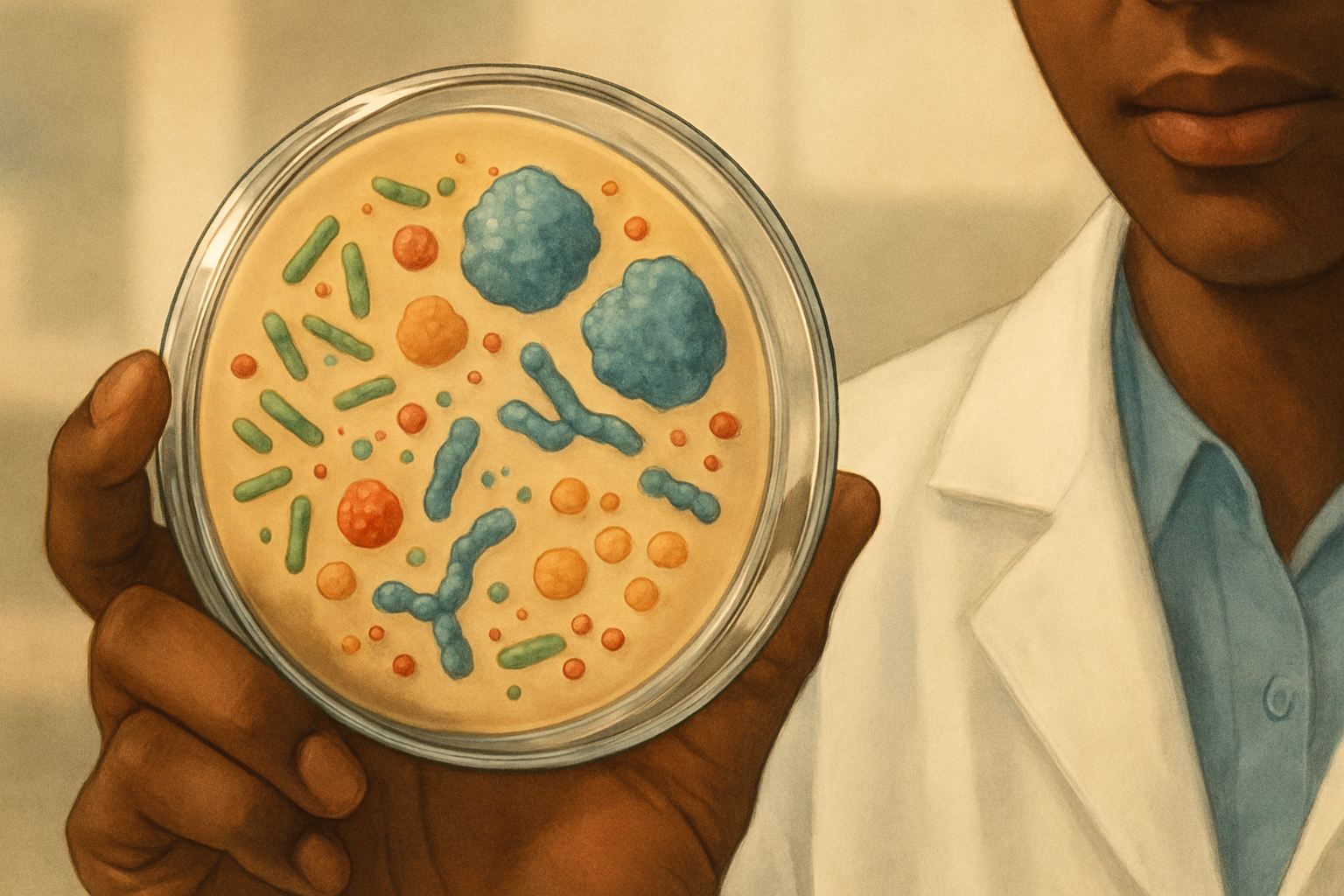
Researchers found a natural compound that can specifically attack and kill C. difficile. Early tests showed it does not significantly harm the beneficial gut microbes, which are important for overall gut health and preventing infections.
Evidence and limitations
The findings so far come from initial laboratory studies and early tests. These promising results suggest the compound can selectively kill dangerous bacteria, but there is no information yet about tests in animals or humans. It is unclear how effective and safe this compound would be as a treatment in real patients, how it would be administered, or what side effects it might have.
Because C. difficile infections often recur due to damage from broad antibiotic use, a treatment that spares healthy microbes could be a major advance. However, more research is needed, including animal studies and clinical trials, to confirm whether this compound can provide real patient benefits and to evaluate potential risks.
Possible implications
If further development and trials prove successful, this natural compound could become a gentler and more effective therapy for C. difficile infections. Such a treatment would help maintain the balance of the gut microbiome while eliminating harmful bacteria, potentially reducing relapse rates. However, currently, it remains an experimental discovery without confirmed availability or approval for use.
Source: ScienceDaily Medical
Paste the copied caption into your Instagram post. Caption links are not clickable; add the article URL to a Story link sticker or your profile link.
Open Instagram