Scientists Discover Hidden Cleanup System in the Eye
Researchers have found a previously unknown drainage pathway at the back of the eye in mice, which helps remove fluid and waste. This discovery could influence future approaches to eye diseases like glaucoma and macular degeneration.
Paste the copied caption into your Instagram post. Caption links are not clickable; add the article URL to a Story link sticker or your profile link.
Open InstagramFor information, not personal medical advice. Discuss treatment decisions with a qualified clinician.
Key takeaways
- Researchers have found a hidden cleanup system in the back of the eye in mice that drains fluid and waste through a previously unknown pathway.
- This discovery enhances understanding of eye health and fluid pressure regulation but has only been demonstrated in mice so far.
- Further research is needed to confirm if this system exists in humans and whether it could lead to new treatments for eye diseases like glaucoma or macular degeneration.
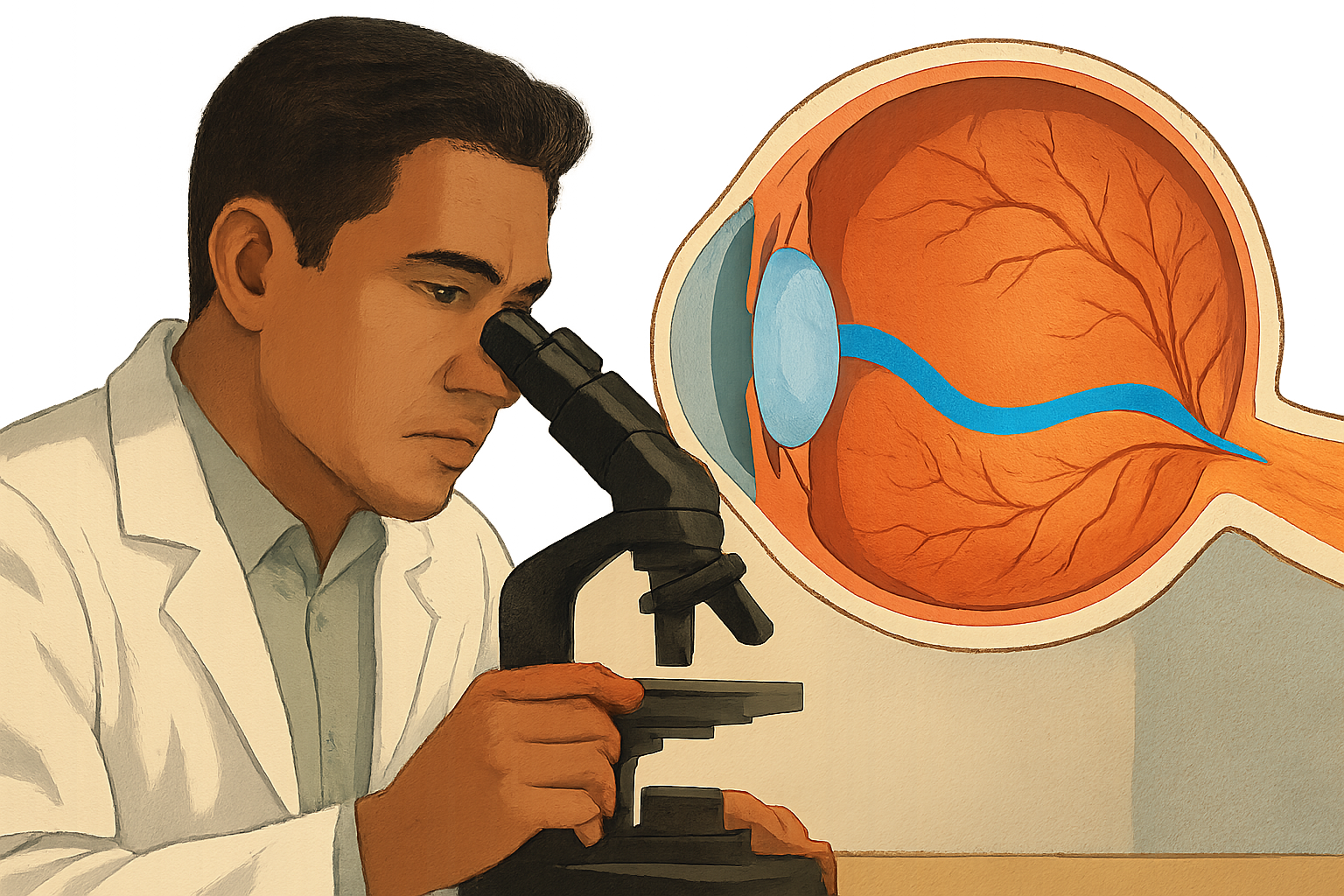
What Scientists Found
Researchers have identified a hidden cleanup system in the back of the eye that drains fluid and waste through a pathway that was previously unknown. This system was discovered in laboratory studies involving mice.
Evidence Supporting the Discovery
The evidence comes from studies conducted in mice, showing the presence of this drainage pathway that helps clear waste products and excess fluid from eye tissues. The finding is surprising because it adds to the understanding of how the eye maintains its health and may influence pressure regulation.
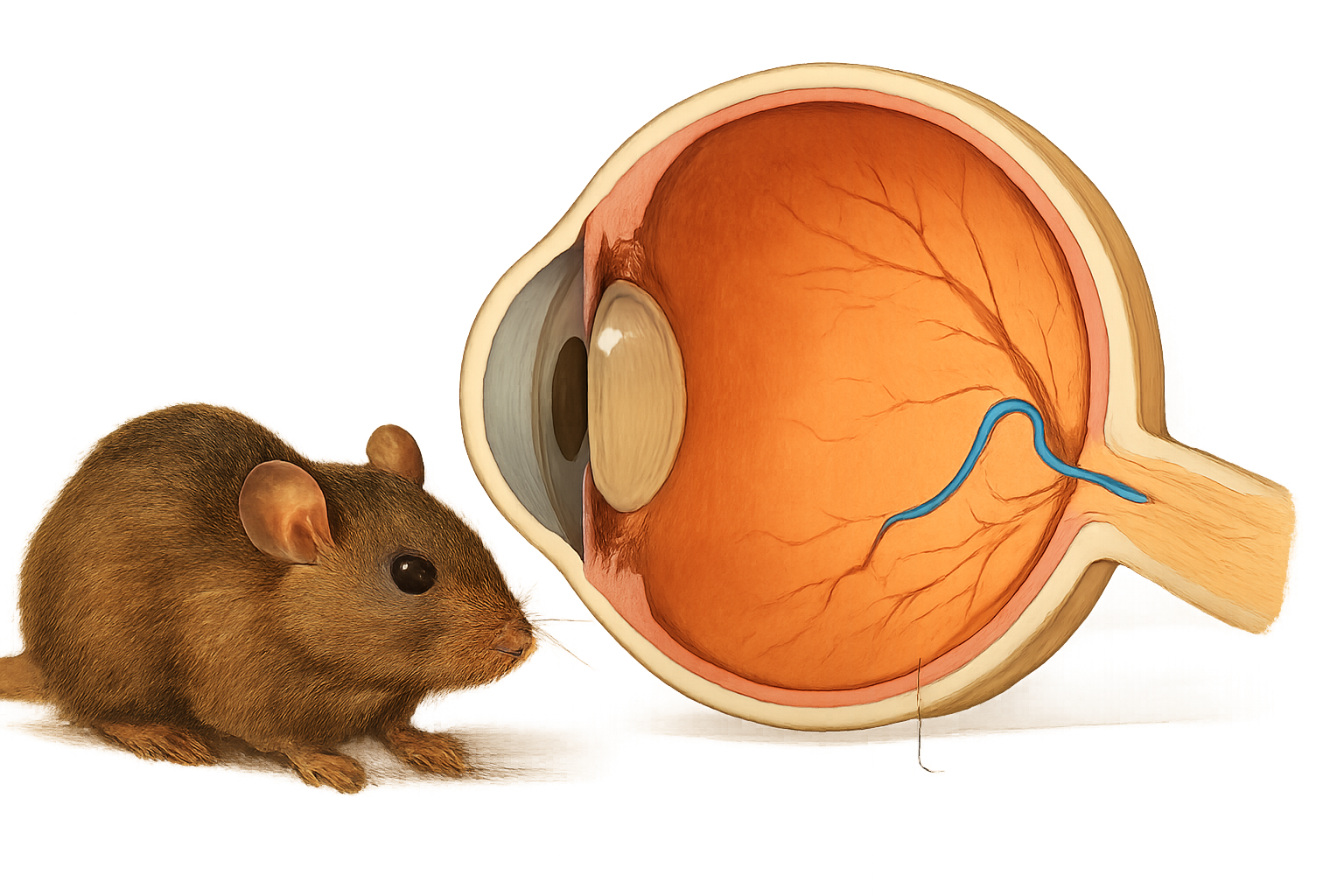
Limitations and Uncertainties
It is important to note that this discovery has so far been demonstrated only in mice. There is no current confirmation that the same system exists or functions identically in humans. More research is needed to determine whether this pathway plays a similar role in human eyes and if it can be safely targeted or supported for treatment.
Possible Implications
If further studies confirm that this cleanup system is present and active in humans, it might open new avenues for treating eye conditions related to fluid buildup and waste accumulation. Diseases such as glaucoma and macular degeneration, which are leading causes of blindness, could potentially benefit from therapies that enhance or protect this drainage route.
However, at this stage, the discovery represents an early step in understanding eye physiology rather than a readily available treatment option.
Source: ScienceDaily Medical
Paste the copied caption into your Instagram post. Caption links are not clickable; add the article URL to a Story link sticker or your profile link.
Open Instagram