Scientists Discover Key Differences in How Male and Female Skin Repairs Itself
New research in mice shows that male and female skin stem cells behave differently during repair, with female cells working more collaboratively. This finding may help explain why wounds heal faster in females.
Paste the copied caption into your Instagram post. Caption links are not clickable; add the article URL to a Story link sticker or your profile link.
Open InstagramFor information, not personal medical advice. Discuss treatment decisions with a qualified clinician.
Key takeaways
- Female skin stem cells coordinate activity as a group influenced by sex hormones, while male stem cells function more independently.
- Female mice showed faster wound healing, especially shortly after injury, linked to synchronized stem cell behaviour.
- Findings are based on a five-month live imaging study in mice, with uncertain direct application to humans without further research.
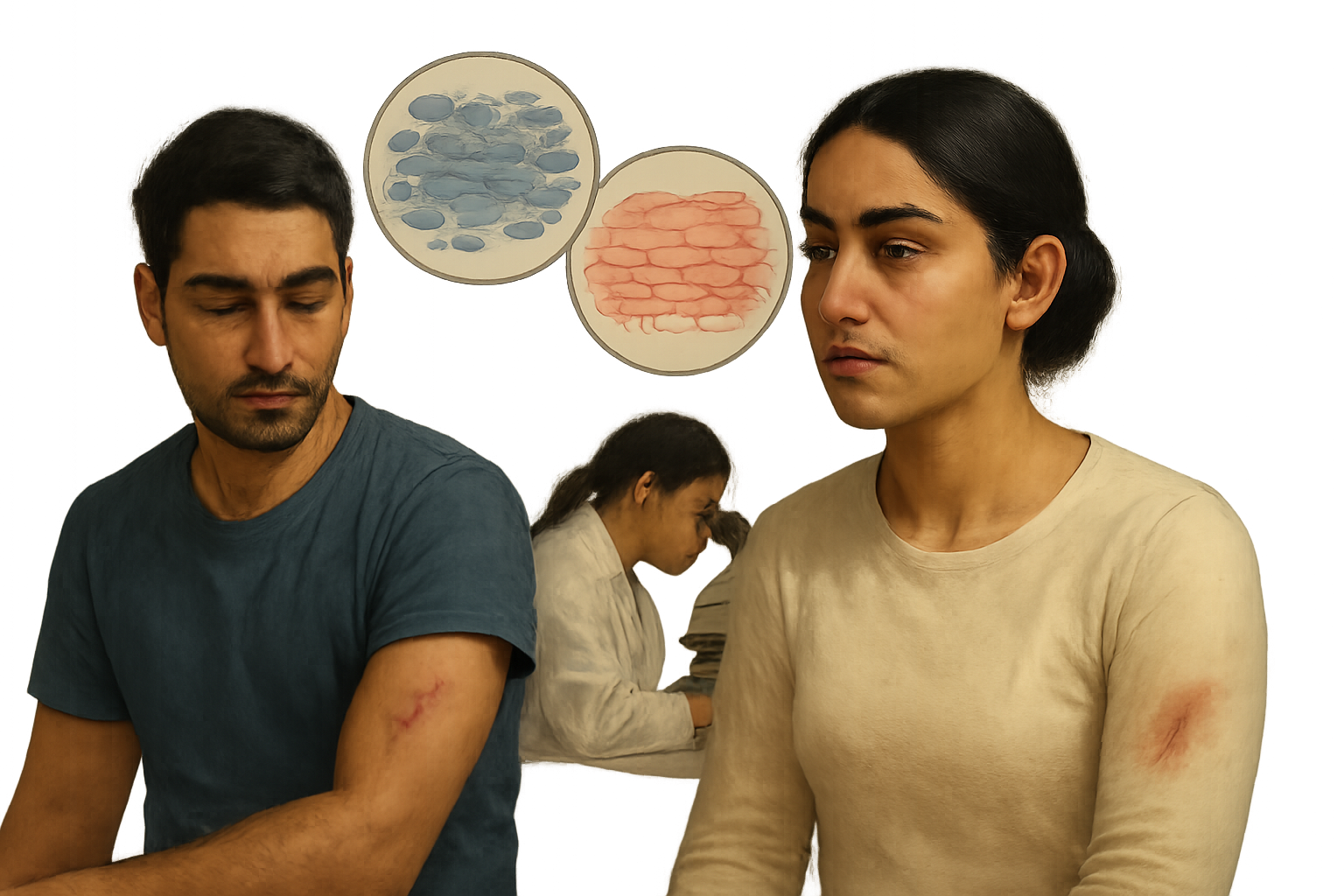
Researchers have identified significant differences in how male and female skin stem cells renew and repair tissue. By tracking individual skin stem cells in live mice over five months, scientists observed distinct patterns of activity between the sexes.
What the Scientists Found
Female skin stem cells tend to act in a synchronized manner, coordinating their activity as a group. In contrast, male skin stem cells appear to operate more independently without the same level of coordination. This synchronization in females is influenced by sex hormones.
One notable consequence of this difference is seen in wound healing. Female mice healed wounds faster, particularly in the initial days after injury. The coordinated effort of their stem cells likely supports a more efficient tissue repair process.
Evidence Behind the Discovery
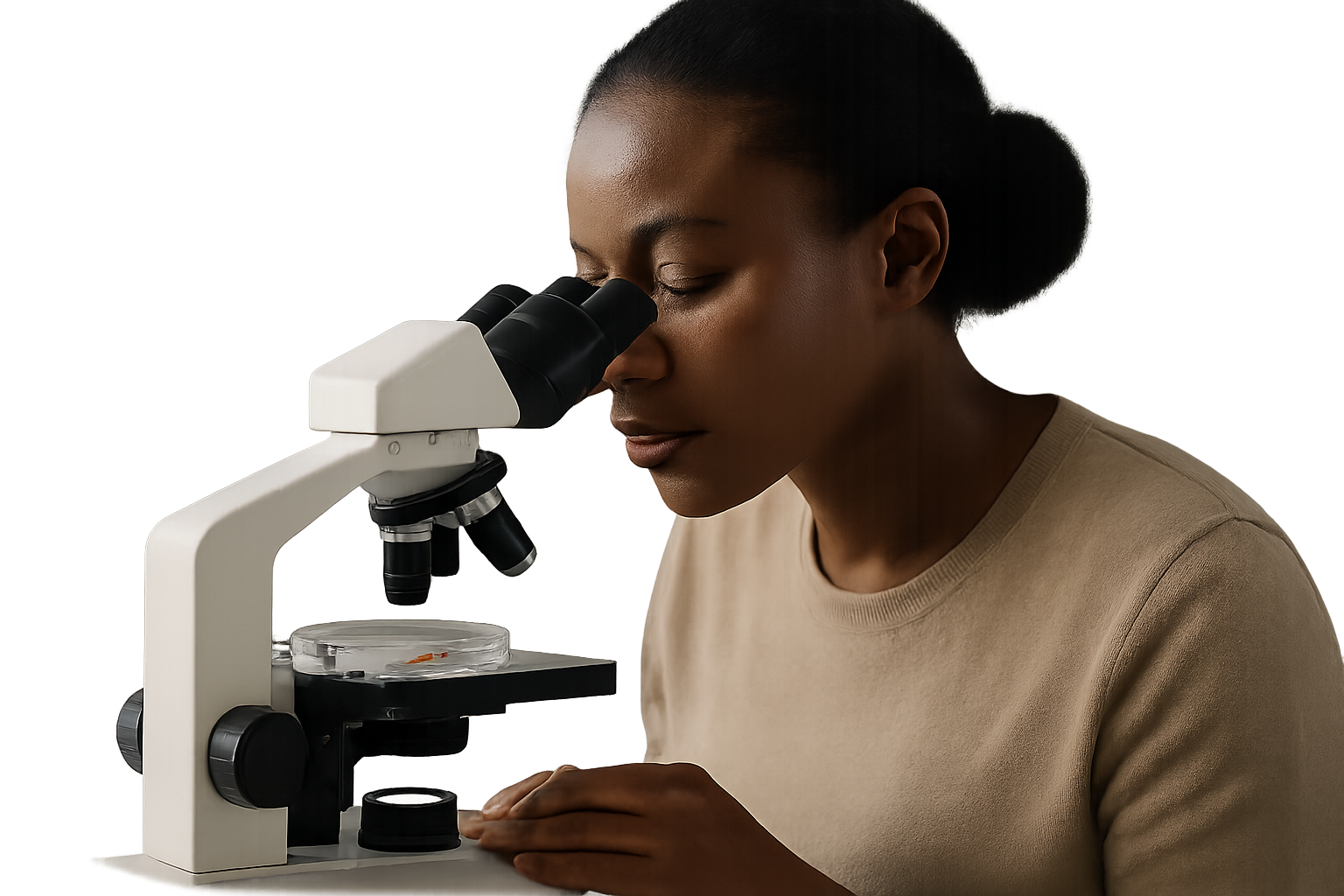
The study used live imaging techniques to follow individual stem cells in mouse skin over a five-month period, allowing detailed observation of cell behavior in a living organism. This approach provides strong laboratory evidence of sex-specific cell dynamics and their relation to skin repair.
Limitations and Unknowns
While these findings are insightful, they currently come from studies in mice, and it is uncertain how directly they translate to humans. The exact mechanisms through which sex hormones cause this cellular coordination remain to be fully elucidated. Additionally, it is unclear if these differences impact other aspects of skin health or disease.
Further research is needed to explore whether similar patterns exist in people and to assess potential implications for developing sex-specific treatments in skin repair or regenerative medicine.
Possible Implications
Understanding how male and female skin stem cells differ could lead to improved strategies for wound care or therapies tailored to biological sex. This knowledge enhances our grasp of skin biology and could help explain observed differences in skin aging and healing between men and women.
Source: ScienceDaily Medical
Paste the copied caption into your Instagram post. Caption links are not clickable; add the article URL to a Story link sticker or your profile link.
Open Instagram