Scientists discover vanilla’s hidden healing potential
Researchers have found that vanillin, the flavor compound in vanilla, may help fight infections, reduce inflammation, and support wound healing. This widely available and low-cost ingredient shows promise for future wound care and regenerative treatments.
Paste the copied caption into your Instagram post. Caption links are not clickable; add the article URL to a Story link sticker or your profile link.
Open InstagramFor information, not personal medical advice. Discuss treatment decisions with a qualified clinician.
Key takeaways
- Vanillin, the compound behind vanilla’s scent and taste, shows potential in fighting infections, reducing inflammation, and aiding wound healing based on lab studies.
- Current evidence stems mainly from laboratory and possibly animal research, with no human clinical trials to confirm vanillin's effectiveness or safety.
- No vanillin-based treatments are currently approved or available for medical use; further research is necessary to establish benefits, dosages, and safety.
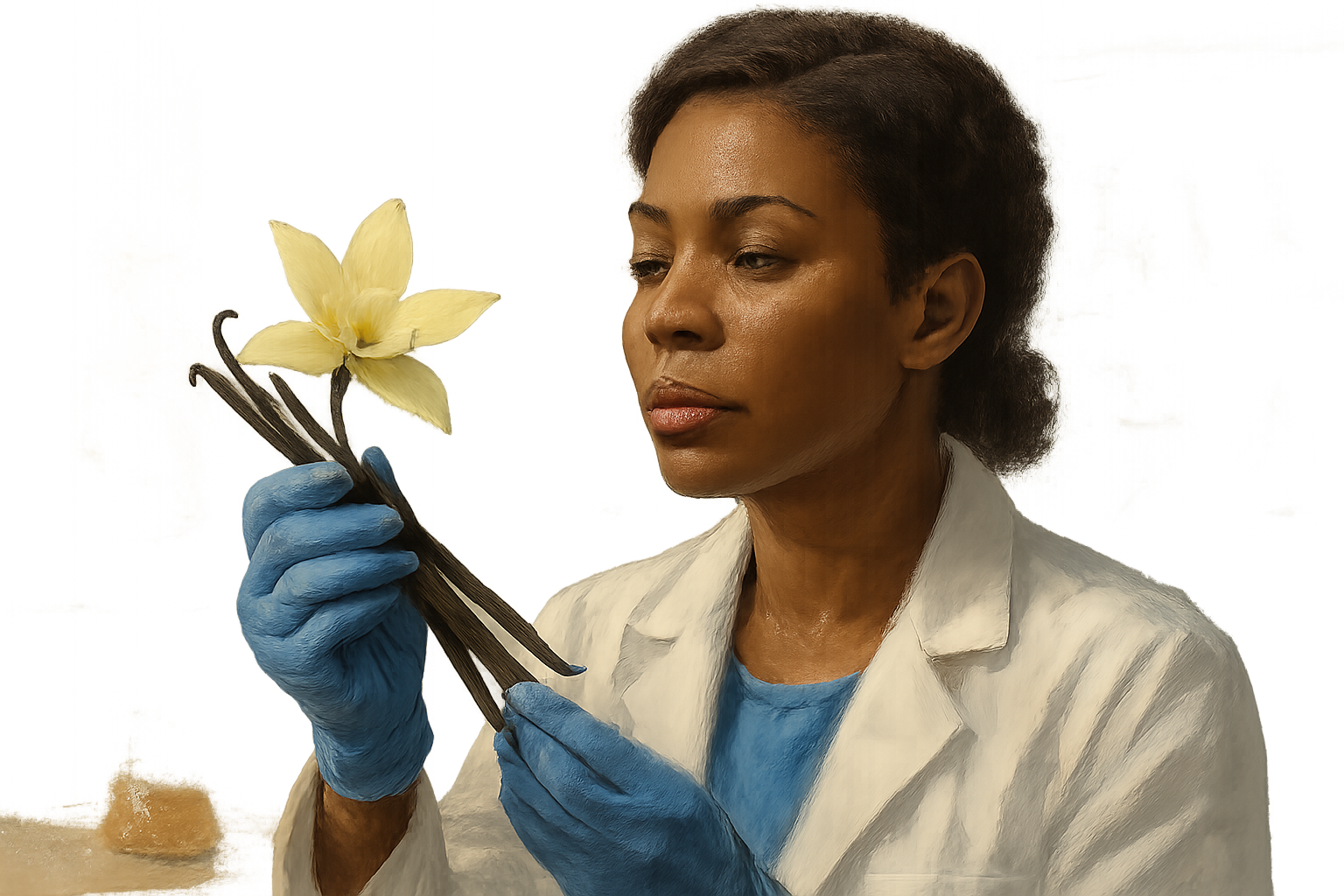
What was discovered?
Scientists have identified that vanillin, the chemical responsible for vanilla's distinctive scent and taste, possesses properties that might help combat infections, decrease inflammation, and aid the healing of wounds.
Evidence Behind the Discovery
The findings are based on studies exploring vanillin's biological effects relevant to regenerative medicine. Laboratory experiments have shown that vanillin can act against certain infectious agents and reduce inflammatory responses. Its ability to promote tissue repair has also been observed under controlled experimental conditions.
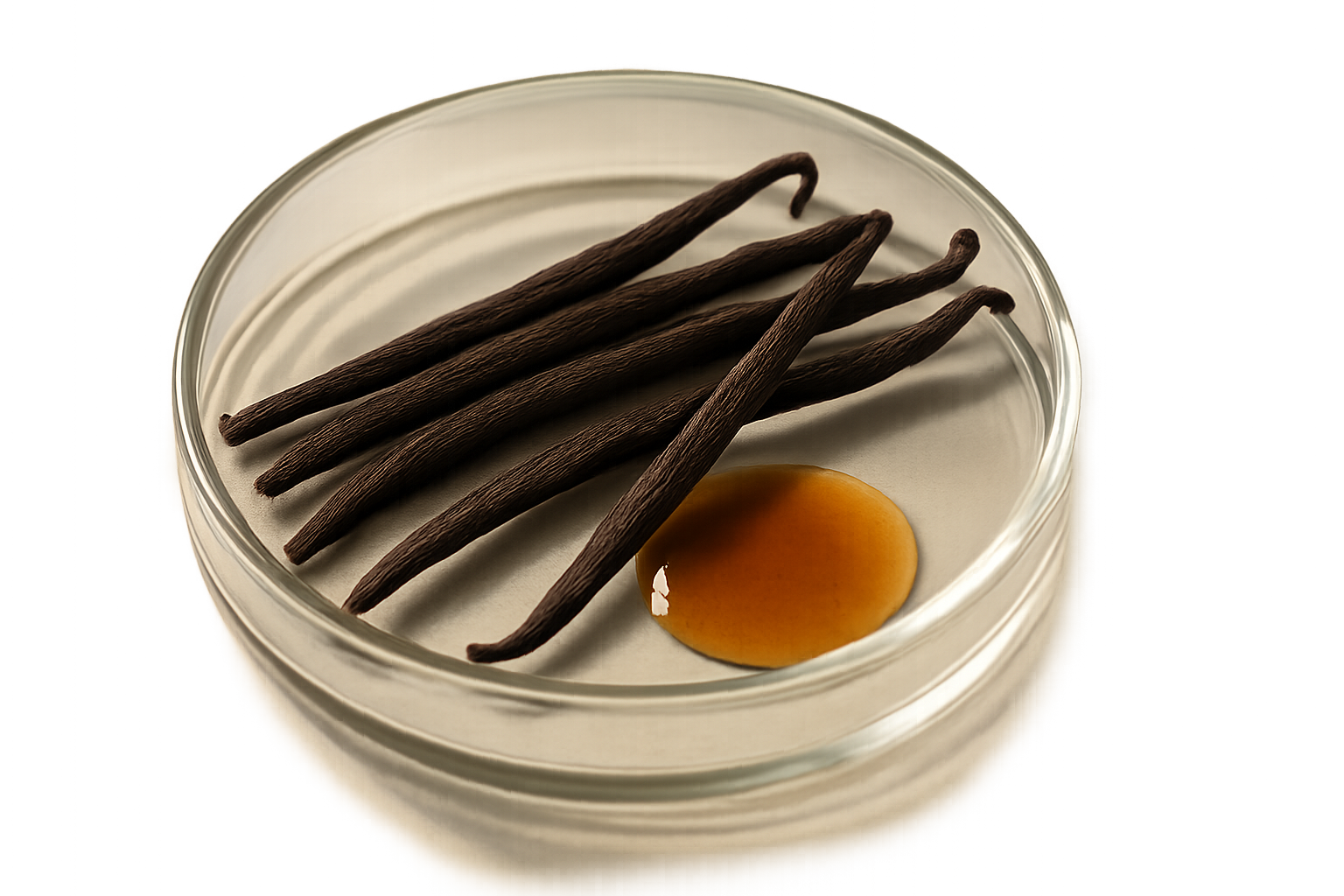
Limitations of the Current Evidence
It is important to note that the research so far mainly involves laboratory and possibly animal studies. There is no available information about testing in human patients or clinical trials. The effects observed in the lab do not automatically mean that vanillin will have the same benefits when used as a treatment for wounds or infections in people.
Additionally, there is no indication that vanillin-based treatments are currently approved or available for medical use. More research is needed to confirm safety, effective dosages, and real-world benefits for patients.
Possible Implications
Given vanillin’s low cost and wide availability, if future research confirms these healing properties in humans, it could become part of new, advanced methods to treat wounds and enhance tissue repair. However, at this stage, these findings are preliminary and do not imply that vanilla or vanillin products can replace existing medical treatments.
Source: ScienceDaily Medical
Paste the copied caption into your Instagram post. Caption links are not clickable; add the article URL to a Story link sticker or your profile link.
Open Instagram