Scientists Identify Clues to Making Immunotherapy More Effective Against Glioblastoma
Researchers at UCLA have discovered new insights into how the immune system might be better activated to fight glioblastoma, a type of aggressive brain cancer. These findings help explain why immunotherapy has struggled against this cancer in the past.
Paste the copied caption into your Instagram post. Caption links are not clickable; add the article URL to a Story link sticker or your profile link.
Open InstagramFor information, not personal medical advice. Discuss treatment decisions with a qualified clinician.
Key takeaways
- Glioblastoma’s tumor environment contains immune-suppressive factors that limit immune cell infiltration and impair their function, reducing immunotherapy effectiveness.
- Two new UCLA-led studies identify mechanisms behind glioblastoma’s resistance to immunotherapy, offering clues for future approaches to enhance treatment response.
- These findings are preliminary; clinical trials are needed to determine if targeting immune suppression can improve outcomes, as current immunotherapies lack proven benefit for most glioblastoma patients.
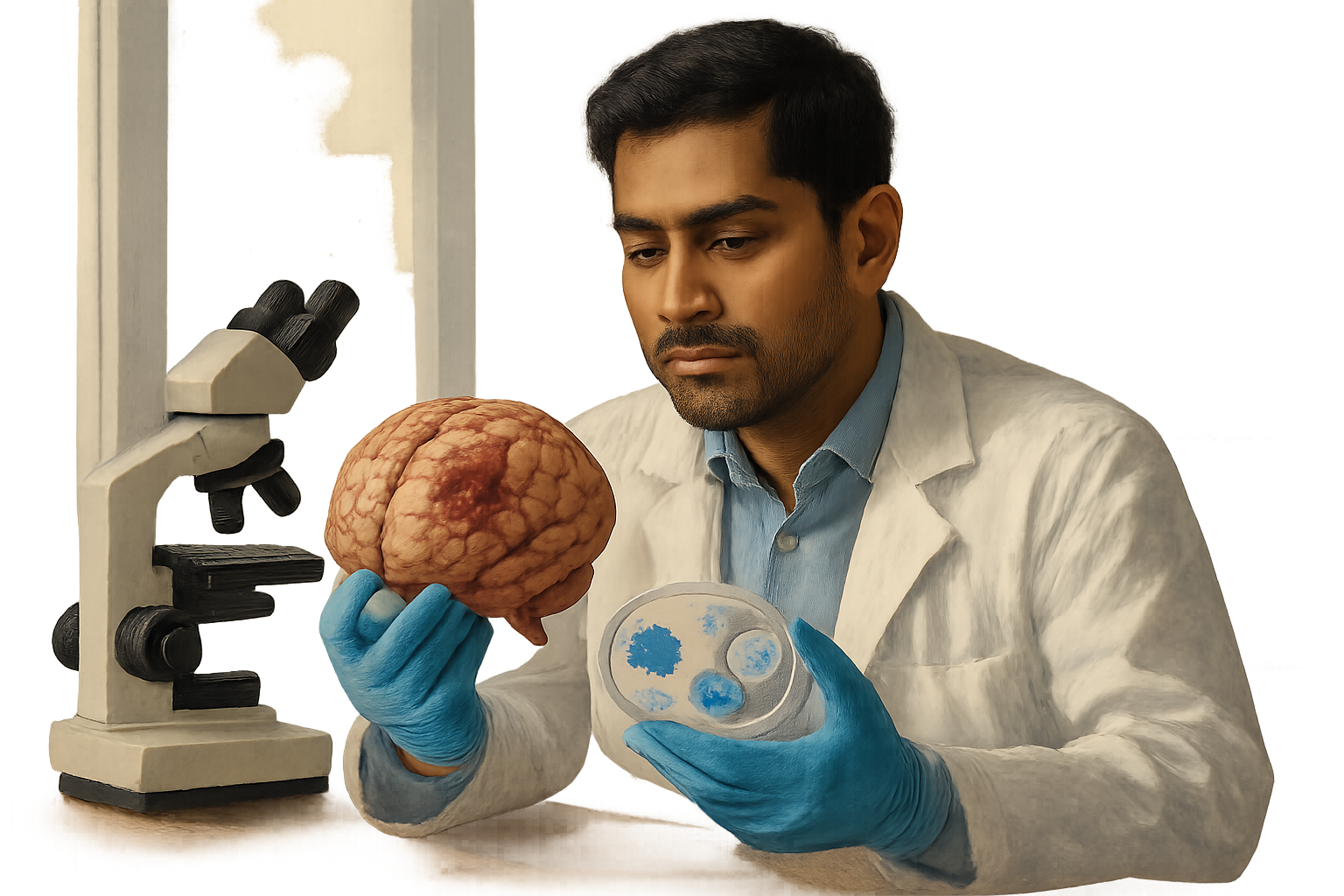
Glioblastoma is a challenging brain cancer with poor survival rates. Immunotherapy—using the body’s immune system to target cancer cells—has shown promise in other cancers, but has generally been less effective for glioblastoma. Two new studies led by researchers at the UCLA Health Jonsson Comprehensive Cancer Center offer fresh understanding of this problem.
What the Studies Found
The researchers explored how immune cells interact with glioblastoma tumors. They identified specific factors in the tumor environment that prevent the immune system from activating effectively against the cancer. These factors create a sort of “shield” that limits immune cell infiltration and impairs their function.
By identifying these immune-suppressive mechanisms, the studies provide clues on how to overcome them and potentially improve immunotherapy approaches.
Evidence and Methods
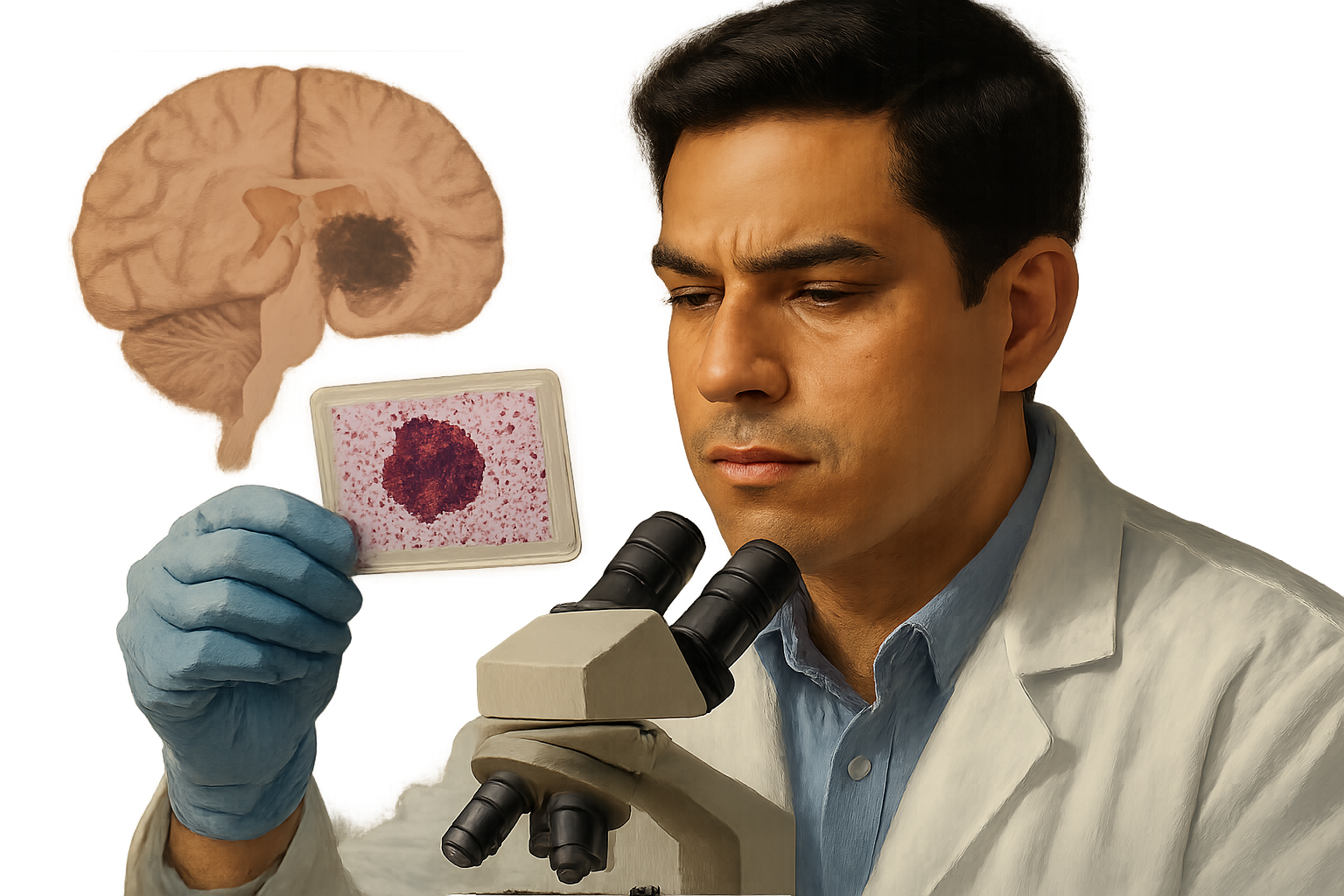
Though the exact experimental setups are not detailed here, the studies are based on laboratory and likely preclinical research examining tumor immune cell behavior and molecular signals. This type of research clarifies the biological reasons behind immunotherapy resistance in glioblastoma.
Limitations and Uncertainties
These findings are important but remain in the early stage. It is unclear how these insights will translate into new treatments or improved patient outcomes. Clinical trials will be needed to test whether targeting the identified immune-suppressive factors can make immunotherapies more effective.
Immunotherapy for glioblastoma currently does not offer a proven benefit for most patients, and the disease’s complexity means future success is uncertain.
Possible Implications
This research opens a potential path toward boosting immune responses against glioblastoma by overcoming tumor-induced immune suppression. If successful, it could lead to more effective therapies in the future. However, developing new treatments from these insights will require additional investigation and testing.
Source: Medical Xpress
Paste the copied caption into your Instagram post. Caption links are not clickable; add the article URL to a Story link sticker or your profile link.
Open Instagram