Scientists link a strange sugar in red meat to a 63% higher diabetes risk
A large study found that people who eat the most of a rare sugar in red meat have a 63% higher risk of developing type 2 diabetes, possibly due to inflammation.
Paste the copied caption into your Instagram post. Caption links are not clickable; add the article URL to a Story link sticker or your profile link.
Open InstagramFor information, not personal medical advice. Discuss treatment decisions with a qualified clinician.
Key takeaways
- A study of nearly 90,000 adults found that high intake of a rare sugar in red meat is linked to a 63% higher risk of type 2 diabetes.
- The sugar may promote chronic inflammation, potentially harming insulin function and contributing to diabetes development.
- The findings are observational and cannot prove causation; other lifestyle or dietary factors might influence diabetes risk.
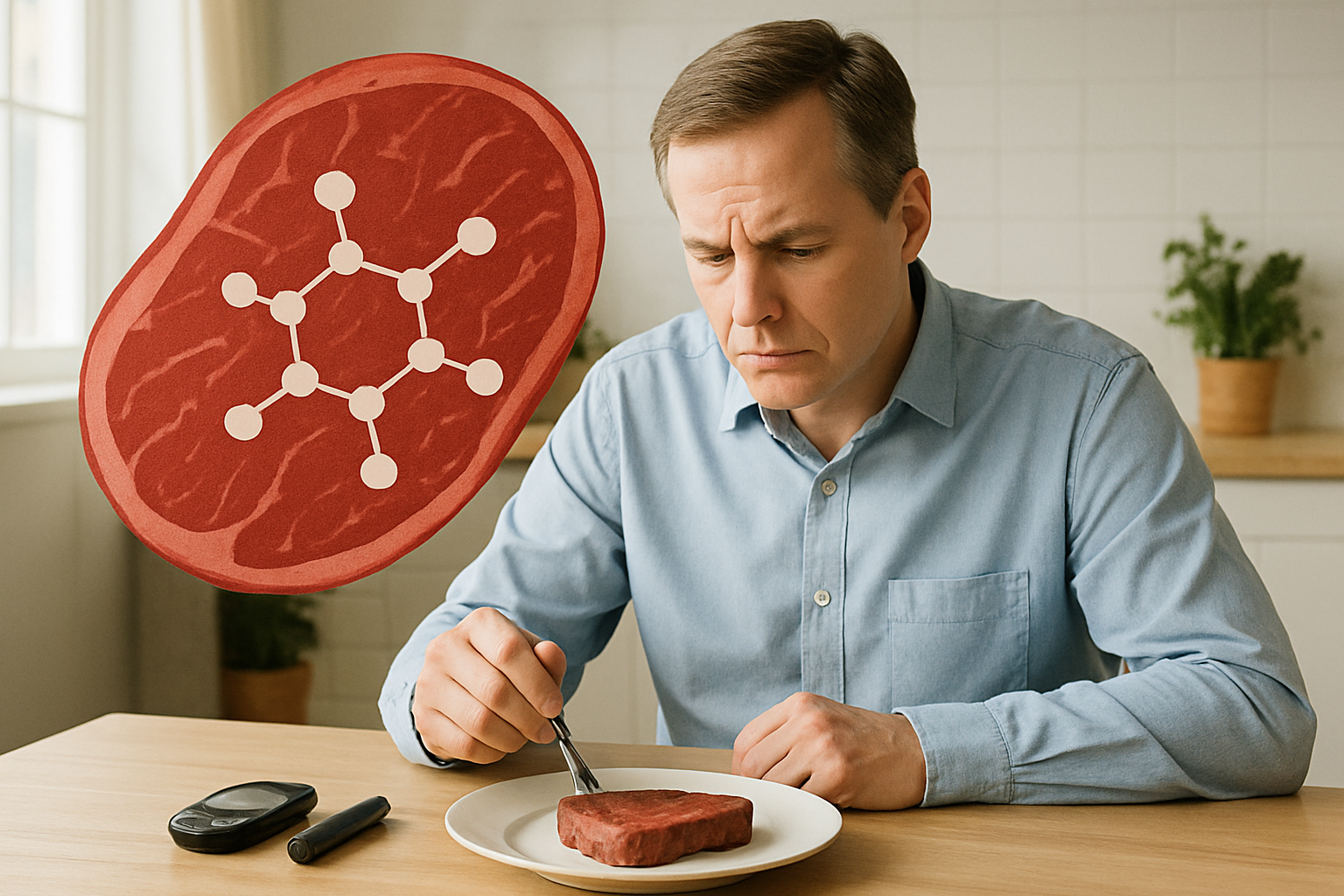
A recent study involving nearly 90,000 adults found that high consumption of an uncommon sugar present in red meat is associated with a 63% increased risk of developing type 2 diabetes. This discovery suggests there may be a new biological link between red meat consumption and diabetes risk beyond just weight gain.
What the Study Found
The study observed that individuals who consumed the highest amounts of this little-known sugar were more likely to develop type 2 diabetes compared to those with lower intake. Scientists suspect this sugar may promote chronic inflammation, a process that can impair insulin function and contribute to diabetes.
Understanding the Evidence
The findings come from observational data, meaning the study looked at dietary habits and health outcomes without intervening. This type of study can highlight associations but cannot prove that the sugar causes diabetes. Other factors related to red meat consumption or lifestyle might also influence the risk.
Limitations and Unknowns
The exact identity and mechanism of the sugar’s effect are not fully detailed in the available information. Since the study is based on adults’ diets and diabetes diagnoses over time, confounding factors like overall diet quality, genetics, and activity levels could affect results. More research is needed to confirm whether the sugar directly contributes to diabetes and how it might do so.
What This Could Mean
If further studies support these findings, it might help clarify why red meat is linked to diabetes risk beyond its impact on body weight, opening new avenues for prevention. However, current evidence does not yet change dietary recommendations, and more investigation is necessary to understand possible health implications fully.
Source: ScienceDaily Medical
Paste the copied caption into your Instagram post. Caption links are not clickable; add the article URL to a Story link sticker or your profile link.
Open Instagram