Scientists May Have Found Why Diabetic Wounds Refuse to Heal
Researchers have identified a possible reason why chronic wounds in diabetes do not heal properly. Immune cells in these wounds seem stuck in a damaging inflammatory state rather than switching to repair mode. This insight might help develop targeted treatments for diabetic ulcers.
Paste the copied caption into your Instagram post. Caption links are not clickable; add the article URL to a Story link sticker or your profile link.
Open InstagramFor information, not personal medical advice. Discuss treatment decisions with a qualified clinician.
Key takeaways
- Researchers found that immune cells in diabetic wounds stay in an inflammatory state, preventing the transition to tissue repair and causing ongoing damage that blocks healing.
- This finding is based on laboratory studies analyzing immune cell behaviour and inflammatory markers in diabetic wound tissue samples.
- The research shows correlation but not causation; further human clinical studies are needed to confirm immune cells' role and test treatments aimed at reprogramming these cells.
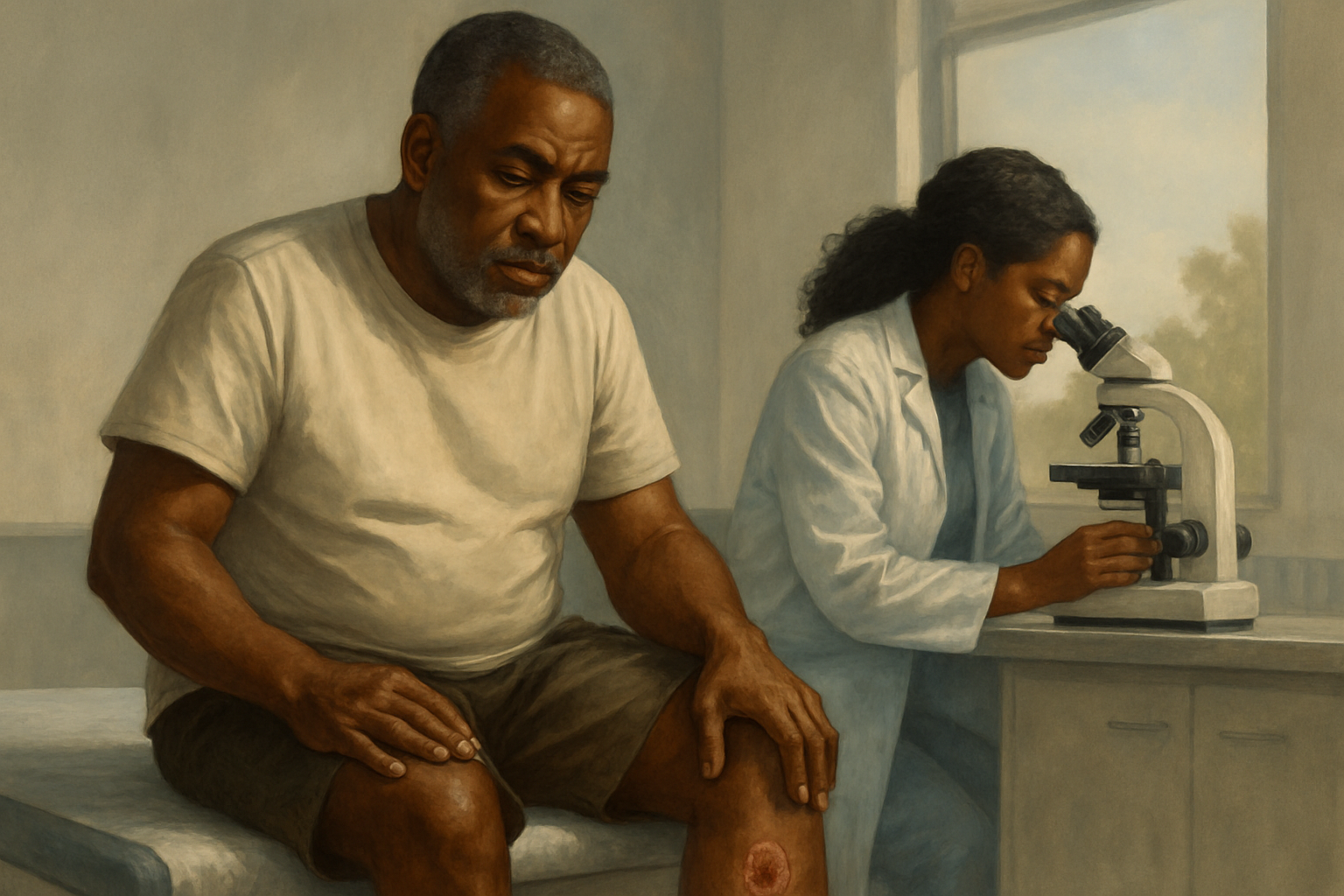
Chronic wounds are a common and serious complication for people with diabetes, often leading to infections and sometimes amputations. Understanding why these wounds do not heal has been a focus of recent research.
What Did the Researchers Find?
Scientists have observed that in diabetic wounds, certain immune cells fail to switch from an inflammatory state to a tissue repair state. Normally, immune cells first promote inflammation to fight infection and clear damaged tissue, then transition to activities that support healing. In diabetes, however, these immune cells remain locked in the inflammatory phase, which can cause ongoing tissue damage and prevent wound closure.
Evidence Behind the Finding
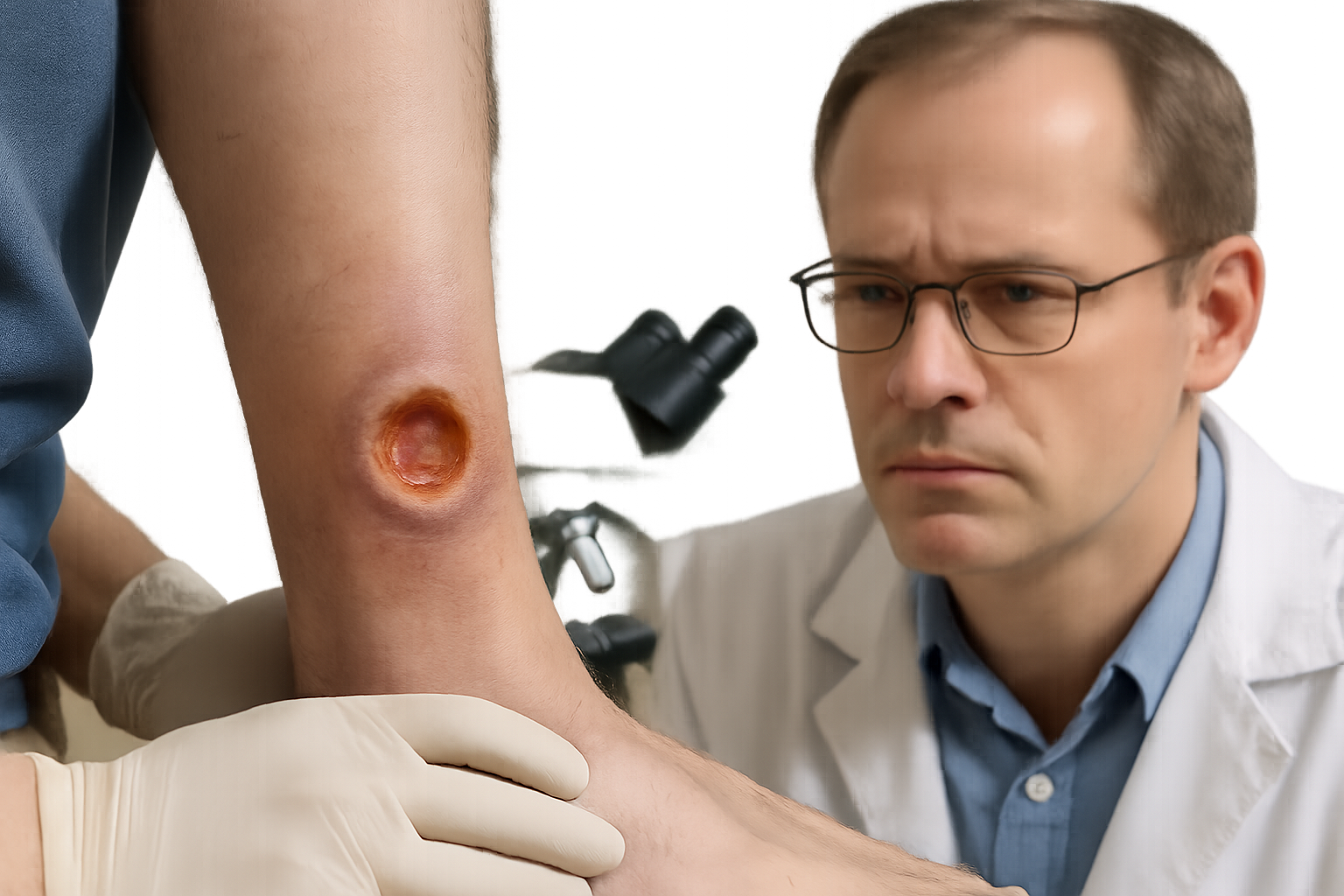
This conclusion is drawn from laboratory studies analyzing immune cell behavior in diabetic wounds. While specific details of the methods and models used are not provided here, such research typically involves examining immune cell markers and inflammatory molecules in tissue samples. These findings suggest a biological mechanism contributing to poor healing in diabetic ulcers.
Limitations and Uncertainties
It is important to note that this research identifies a correlation between persistent inflammation and poor wound healing in diabetes but does not establish a direct cause-effect relationship. Further studies, including clinical investigations in humans, are needed to confirm how immune cell behavior drives wound outcomes and to test potential therapies.
Possible Implications for Treatment
Based on these insights, researchers are exploring treatment approaches to 'reprogram' immune cells, encouraging them to move from inflammation toward repair activities. Such therapies could potentially improve healing in chronic diabetic wounds, which are currently difficult to treat effectively. However, these approaches remain experimental and are not yet available for patient use.
Overall, this research advances understanding of the complex immune processes in diabetic wound healing and opens new avenues for developing targeted therapeutic strategies.
Source: ScienceDaily Medical
Paste the copied caption into your Instagram post. Caption links are not clickable; add the article URL to a Story link sticker or your profile link.
Open Instagram