Scientists Reverse Over 60 Years of Aging in Human Cells in Laboratory Study
Researchers have transformed blood cells from an 80-year-old donor into neural stem cells that appear molecularly younger than 20, reversing decades of cellular aging in the lab. This technique may help study age-related diseases such as Alzheimer's but is not yet a therapy.
Paste the copied caption into your Instagram post. Caption links are not clickable; add the article URL to a Story link sticker or your profile link.
Open InstagramFor information, not personal medical advice. Discuss treatment decisions with a qualified clinician.
Key takeaways
- Scientists created a lab method transforming blood cells from an 80-year-old into neural stem cells with a molecular age like someone under 20, reversing over 60 years of cellular aging.
- The study used human blood cells in the lab and showed these converted neural stem cells had lower molecular age markers, indicating biological youthfulness.
- Results are limited to lab studies and have not been tested in living humans, so they do not demonstrate whole-body aging reversal or treatments for age-related diseases.
What the finding is about
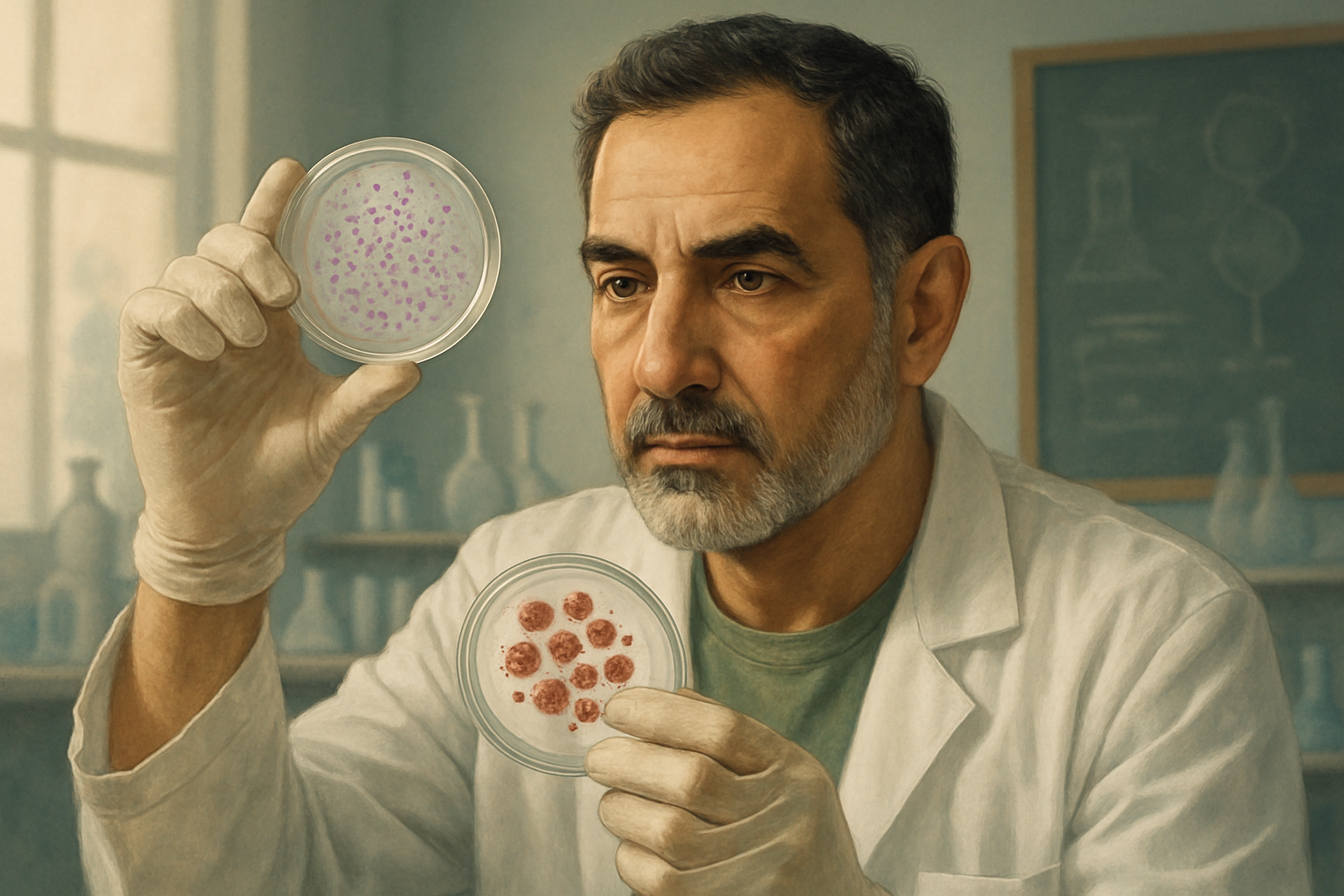
Scientists have developed a laboratory method to turn blood cells taken from an 80-year-old person into neural stem cells with a molecular age typical of someone under 20 years old. This represents a reversal of more than 60 years of cellular aging.
What the evidence shows
The research was conducted in the laboratory using human blood cells. By converting these cells into neural stem cells, researchers were able to lower markers of molecular age, suggesting the cells were biologically younger. This molecular age is measured by specific biological indicators that correlate with cellular aging.
Limitations and what it does not show
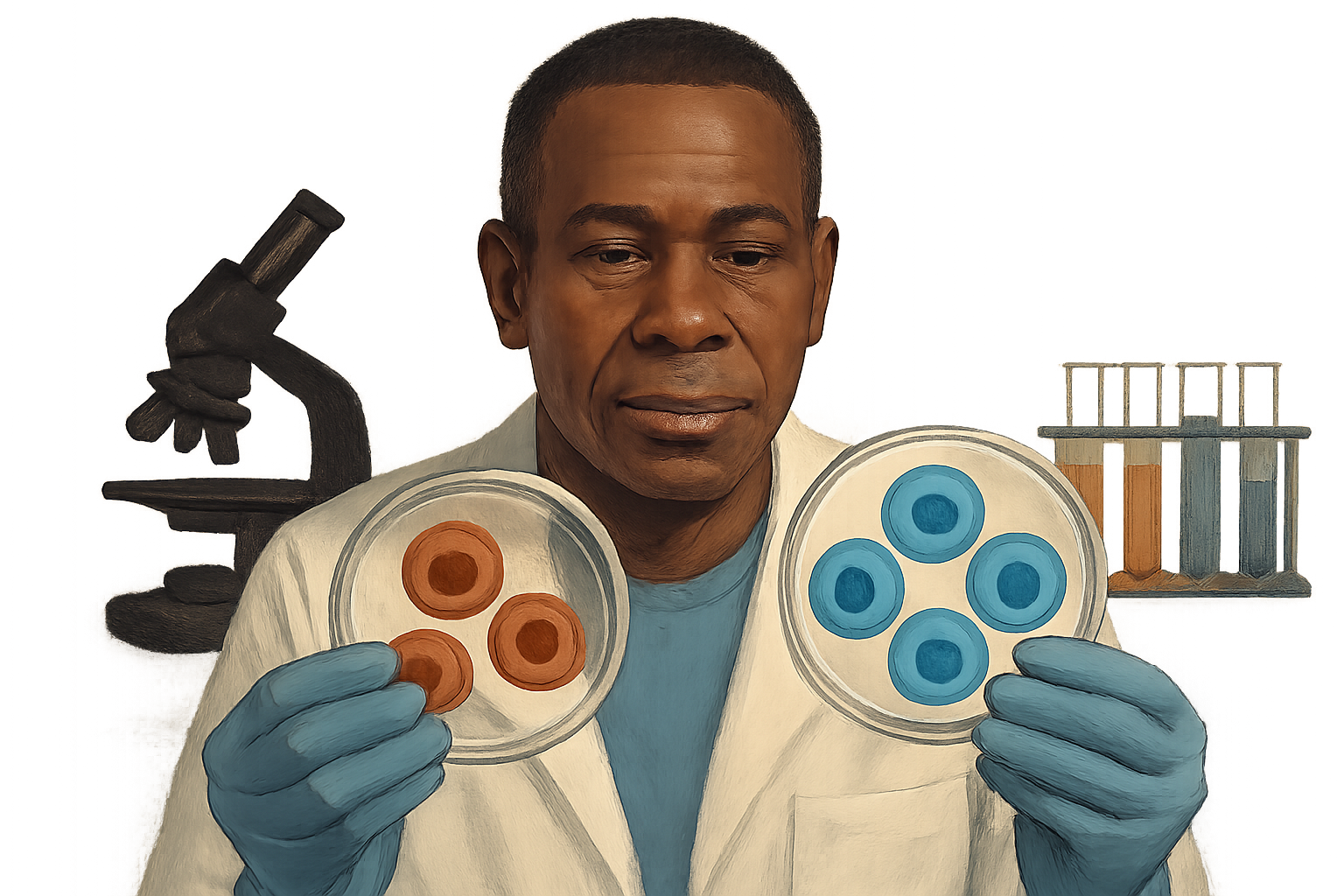
While the results are promising for understanding aging at the cellular level, they come from laboratory studies only and have not been tested in living people. The method does not mean actual reversal of aging throughout the human body or a treatment for age-related diseases. It also does not guarantee functional improvements in cells in the body.
Possible implications and next steps
This discovery provides a new tool to study how cells age and rejuvenate, which could eventually lead to better understanding of diseases like Alzheimer's that involve aging cells. Further research is needed to explore how these findings could translate into therapies and whether similar rejuvenation effects can be achieved safely in people.
Source: ScienceDaily Medical
Paste the copied caption into your Instagram post. Caption links are not clickable; add the article URL to a Story link sticker or your profile link.
Open Instagram