Scientists uncover 3 key brain pathways linked to lasting depression relief
New research identifies three brain pathways associated with lasting benefits from deep brain stimulation in severe depression, highlighting the importance of precise electrode placement.
Paste the copied caption into your Instagram post. Caption links are not clickable; add the article URL to a Story link sticker or your profile link.
Open InstagramFor information, not personal medical advice. Discuss treatment decisions with a qualified clinician.
Key takeaways
- Researchers identified three key brain pathways linked to lasting depression relief in patients receiving deep brain stimulation (DBS).
- Successful treatment depends on stimulating specific neural circuits, with small differences in electrode placement impacting outcomes.
- Study results are preliminary, based on patients selected for surgery, and show correlation but not causation; further research is needed.
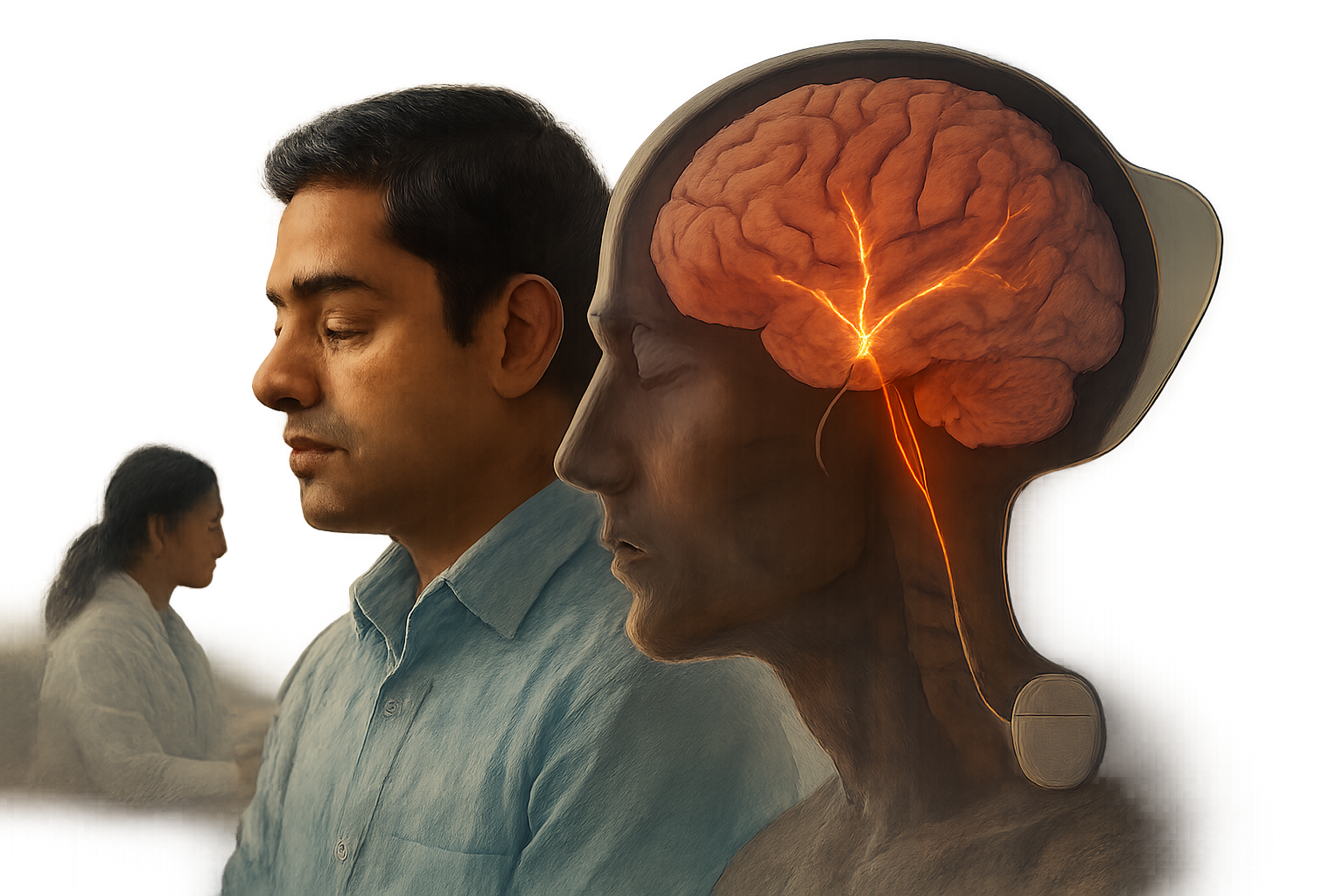
Researchers investigating severe, treatment-resistant depression have identified three key brain pathways associated with lasting improvements in people receiving deep brain stimulation (DBS). The study suggests that how well these pathways are stimulated may be critical for treatment success.
What the research found
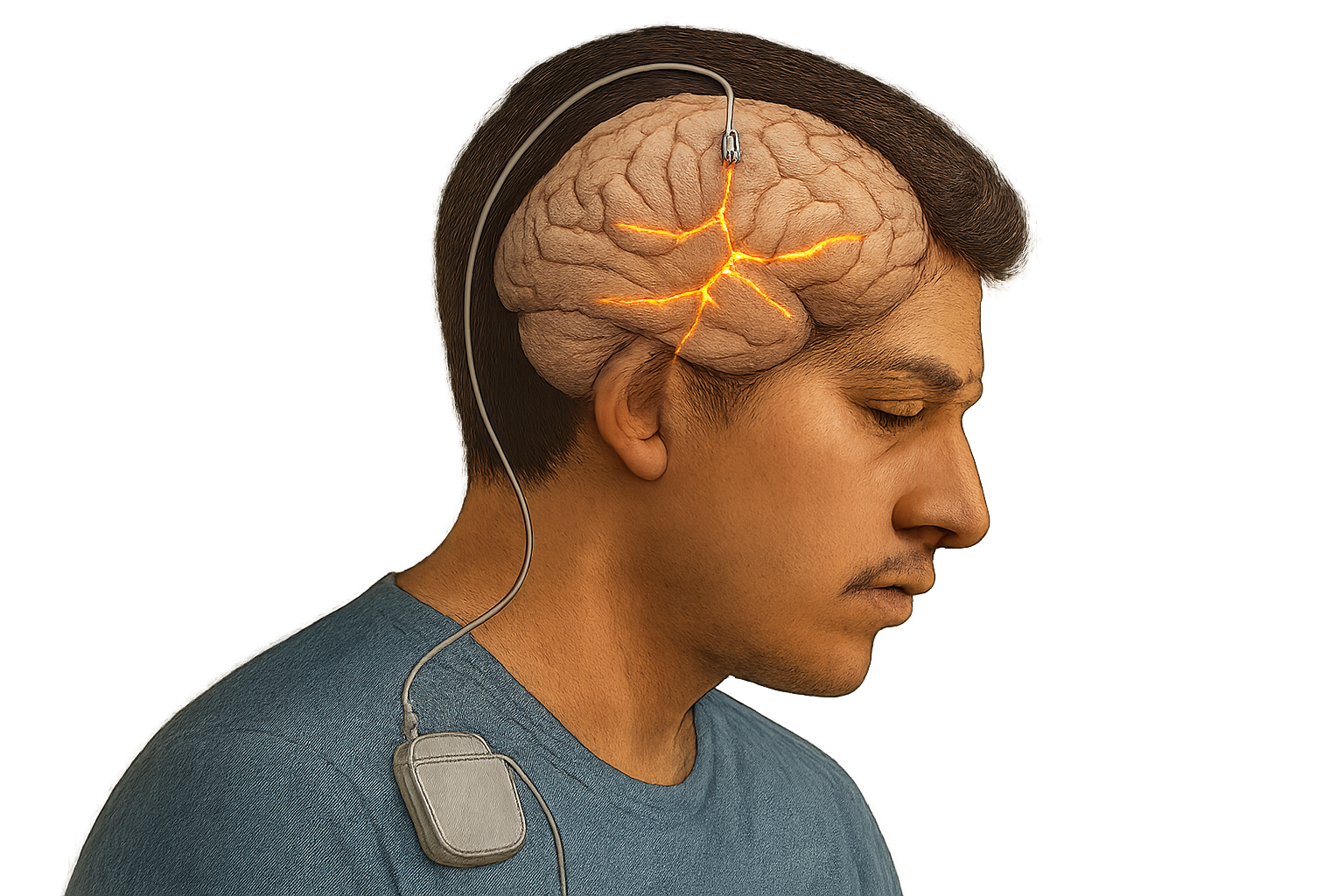
The scientists discovered that patients who showed enduring relief from depressive symptoms shared activation in three specific brain pathways. Conversely, those who did not improve after two years exhibited a common feature: insufficient stimulation of a crucial brain connection. This pattern points to the possibility that even small differences in the positioning of DBS electrodes—measured in millimeters—can significantly affect treatment outcomes.
Understanding the evidence
The findings come from analyses of patients undergoing DBS, a surgical treatment that delivers electrical pulses to targeted brain areas to modulate activity. This approach is considered when depression does not respond to standard treatments. The study focused on identifying neural circuits linked to sustained symptom improvement.
Limitations and uncertainties
While these discoveries provide important clues about how DBS works in depression, they come from patients already selected for surgery, which may limit generalizability. The study emphasizes correlations between brain pathway activity and outcomes but does not prove cause and effect. Further research is needed to confirm these pathways’ roles and whether adjusting electrode placement to optimize stimulation can reliably improve results.
Possible implications
This research could help refine DBS techniques, making electrode placement more precise to maximize benefits for people with severe depression. However, DBS remains an invasive treatment with risks and is currently reserved for difficult, treatment-resistant cases. These findings also highlight the complexity of brain networks involved in mood regulation, suggesting future therapies might become more targeted.
Source: ScienceDaily Medical
Paste the copied caption into your Instagram post. Caption links are not clickable; add the article URL to a Story link sticker or your profile link.
Open Instagram