Shared signaling regulator may link liver and pancreas dysfunction in type 2 diabetes
Researchers have identified a common molecular regulator that could explain how liver and pancreatic beta cell dysfunction are linked in type 2 diabetes, a condition marked by excessive glucose production and insufficient insulin secretion.
Paste the copied caption into your Instagram post. Caption links are not clickable; add the article URL to a Story link sticker or your profile link.
Open InstagramFor information, not personal medical advice. Discuss treatment decisions with a qualified clinician.
Key takeaways
- Type 2 diabetes involves the liver producing excess glucose and pancreatic beta cells not secreting enough insulin, leading to high blood sugar levels.
- New research suggests a shared signaling regulator influences both liver glucose production and pancreatic insulin secretion, indicating a linked mechanism in type 2 diabetes.
- The findings are based on laboratory and preclinical studies; clinical data in humans is not yet available, and no treatments targeting this regulator currently exist.
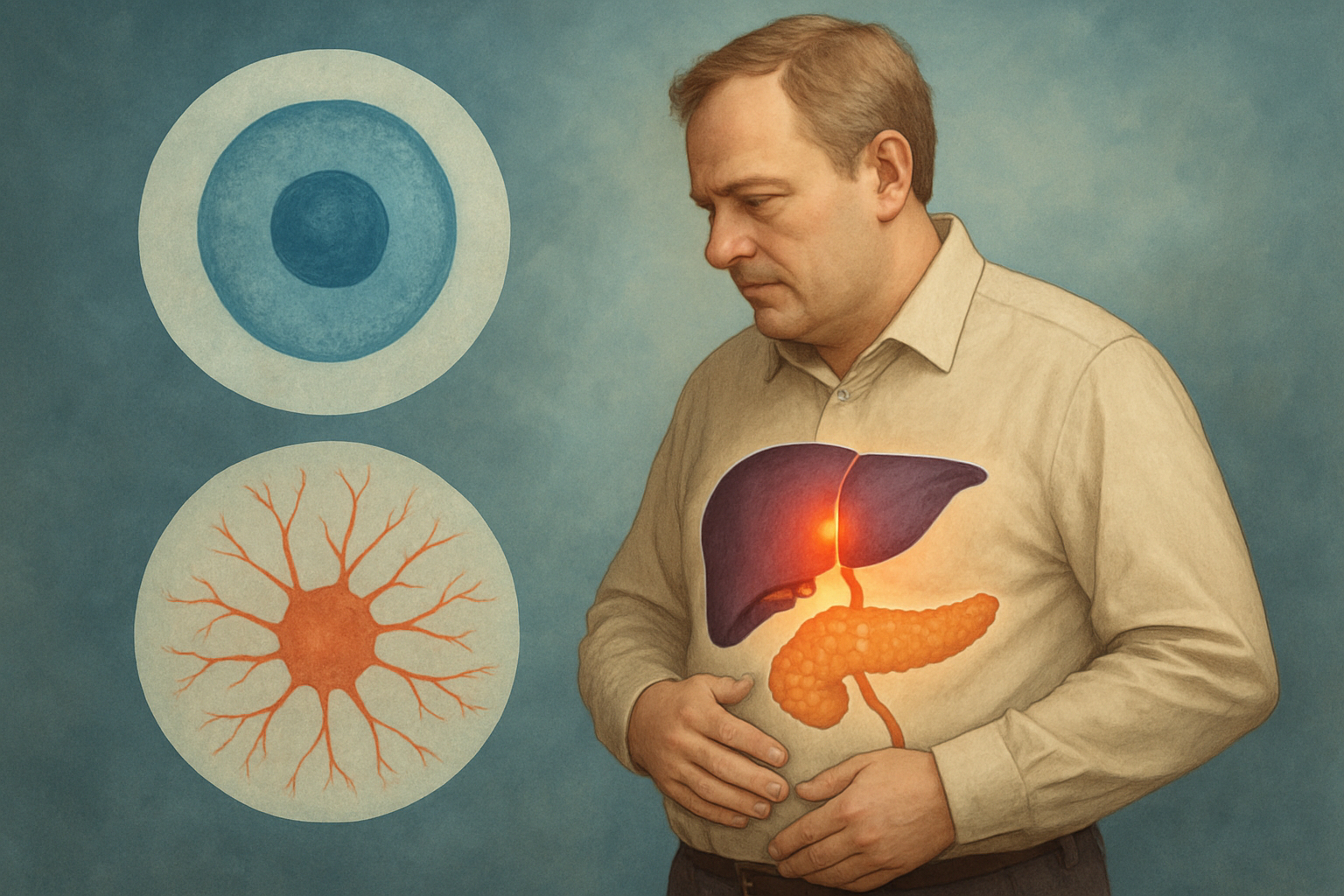
Type 2 diabetes is characterized by high blood sugar levels resulting from problems in multiple organs. Two key organs involved are the liver and the pancreas. Normally, the liver produces glucose when fasting to maintain energy levels, while pancreatic beta cells release insulin after meals to help cells absorb glucose. In type 2 diabetes, the liver produces too much glucose, and beta cells fail to make enough insulin, causing elevated blood sugar.
New Research on a Shared Signaling Pathway
Recent studies have identified a signaling regulator that may be active in both liver cells and pancreatic beta cells. This signaling molecule influences the liver's glucose production and the pancreas's insulin secretion, suggesting a connected mechanism underlying the dysfunction seen in type 2 diabetes.

Evidence and Scope
The findings come from laboratory and preclinical research exploring molecular pathways in these organs. This work points to a possible biological link but does not yet include human clinical data to confirm the role of this regulator in patients with type 2 diabetes.
Limitations and Uncertainties
While the discovery is promising, it is important to note that these results are still preliminary. The studies have mainly been done in controlled laboratory settings, and further research is needed to understand how this signaling pathway operates in humans. There is also no current treatment targeting this regulator approved or available for managing diabetes.
Possible Implications
Understanding a shared regulator between the liver and pancreas could open new avenues for developing therapies that address multiple aspects of type 2 diabetes simultaneously. Future research may explore whether modifying this signaling pathway can improve blood sugar control by reducing liver glucose output and enhancing insulin secretion.
Source: Medical Xpress
Paste the copied caption into your Instagram post. Caption links are not clickable; add the article URL to a Story link sticker or your profile link.
Open Instagram