Stanford’s New Microscope Reveals Living Cells With Unprecedented Clarity
Researchers at Stanford have created a new type of microscope that lets scientists see living cells in real time without using fluorescent labels, potentially offering clearer insights into diseases and drug effects.
Paste the copied caption into your Instagram post. Caption links are not clickable; add the article URL to a Story link sticker or your profile link.
Open InstagramFor information, not personal medical advice. Discuss treatment decisions with a qualified clinician.
Key takeaways
- Stanford scientists have developed a microscope that observes living cells in real time without using fluorescent labels, allowing more natural and accurate imaging.
- The microscope captures cellular activities previously hidden due to interference from fluorescent markers, aiding research in cancer, infectious diseases, and drug-cell interactions.
- Although promising for lab research, the microscope's impact on diagnosis and treatment remains uncertain, requiring further studies to assess its medical applicability.
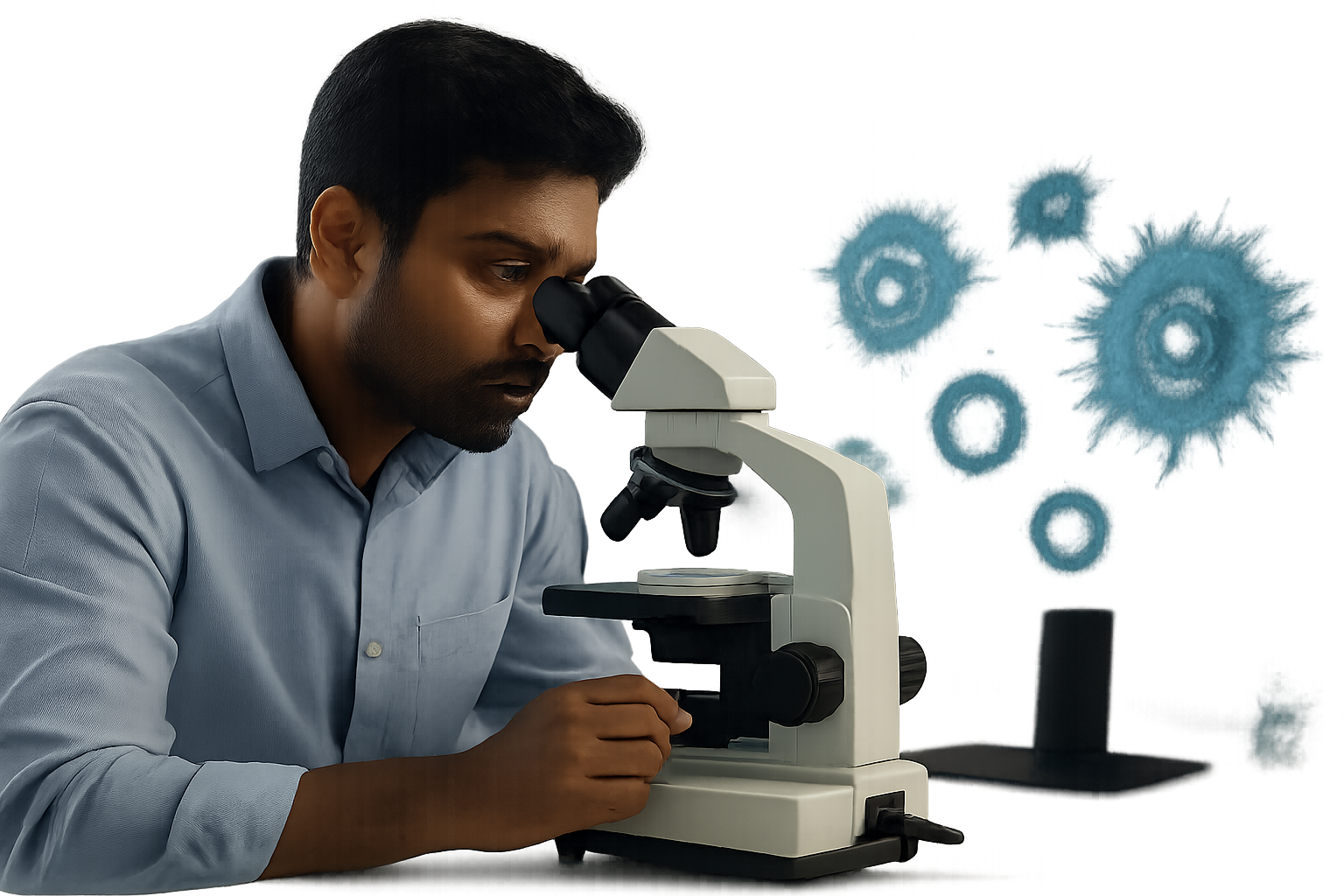
Scientists at Stanford University have developed an advanced microscope that can observe living cells in real time without the need for fluorescent labels. These labels are commonly used in cell imaging but can sometimes interfere with accurate observations. The new microscope offers a way to see the intricate processes inside cells more naturally.
How This Microscope Works
Traditional microscopes often rely on fluorescent markers to highlight specific parts of a cell. While useful, these markers may alter cell behavior or obscure subtle details. The Stanford microscope uses innovative imaging techniques to capture the natural structures and activities inside living cells without such labels, revealing details that were previously hidden.
Scientific Evidence and Applications
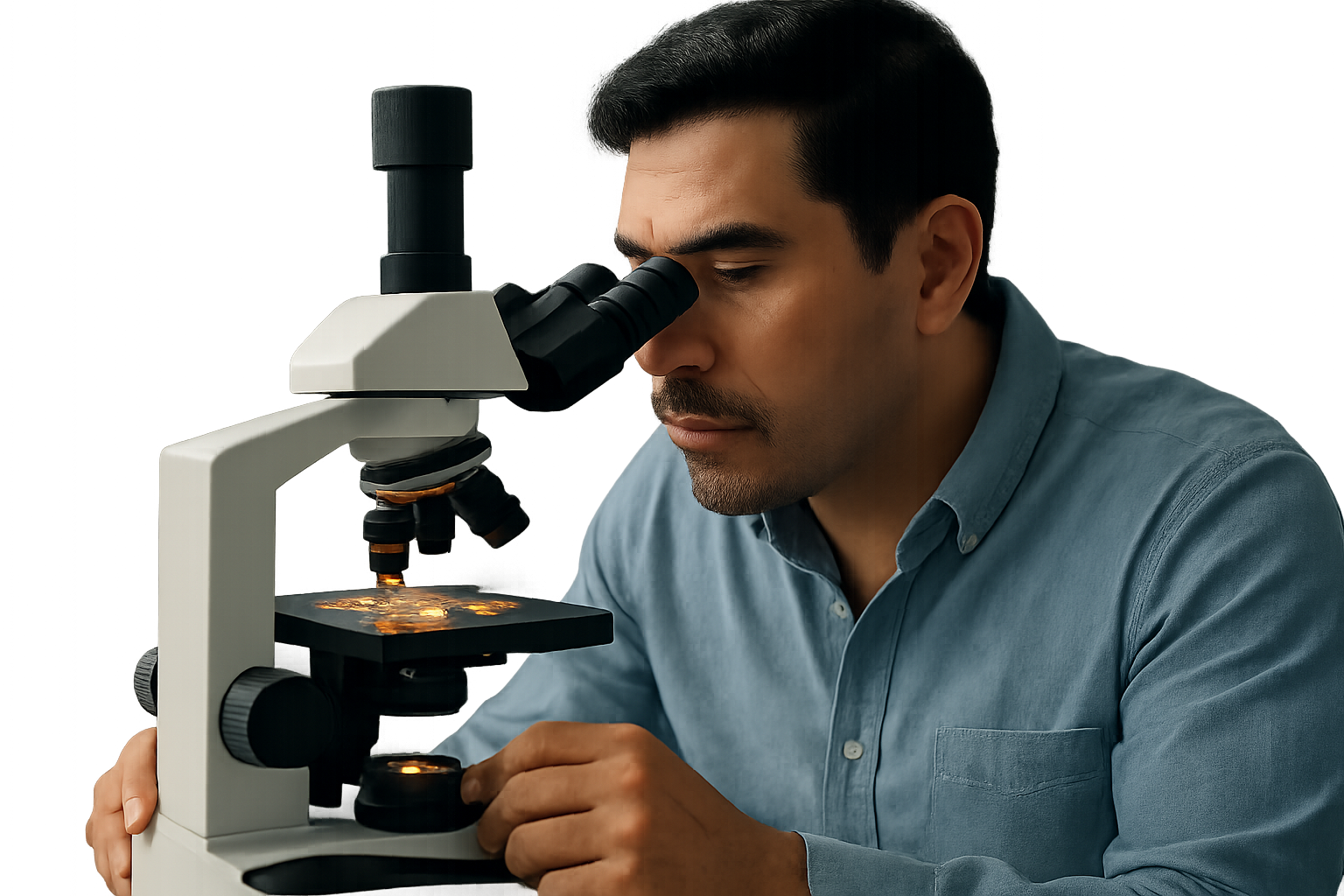
The microscope has been demonstrated in laboratory settings to capture cellular activity in real time. This allows scientists to study processes related to cancer, infectious diseases, and the ways drugs interact with cells with greater accuracy and less interference.
Limitations and What We Still Don’t Know
While the microscope shows promising capabilities in lab research, the full extent of its impact on medical research and treatment is still unknown. It is not yet clear how this technology will translate into improved diagnosis or therapies for patients. Additional studies are needed to explore its usefulness across a wide range of diseases and live biological systems.
Potential Implications
This breakthrough could lead to better understanding of disease mechanisms and the development of drugs that act more precisely on cells. By avoiding fluorescent labels, researchers may gain a more authentic view of cell behavior, which could eventually improve medical research outcomes.
Source: ScienceDaily Medical
Paste the copied caption into your Instagram post. Caption links are not clickable; add the article URL to a Story link sticker or your profile link.
Open Instagram