Stress during pregnancy may change placental signals linked to fetal brain development
Chronic stress in pregnancy affects placental biological signals, which might influence fetal brain development and raise risks for childhood brain and mental health disorders.
Paste the copied caption into your Instagram post. Caption links are not clickable; add the article URL to a Story link sticker or your profile link.
Open InstagramFor information, not personal medical advice. Discuss treatment decisions with a qualified clinician.
Key takeaways
- Approximately 20% of pregnant women in the U.S. experience mental health conditions, and chronic stress during pregnancy is linked to increased risks for mother and child, especially in brain and mental health.
- Recent research suggests chronic stress may alter placental signals that regulate the fetal environment, potentially impacting fetal brain development and later mental health outcomes.
- Current findings focus on molecular and cellular placental changes; however, the direct causal links between altered placental signals and fetal brain development remain unproven in humans.
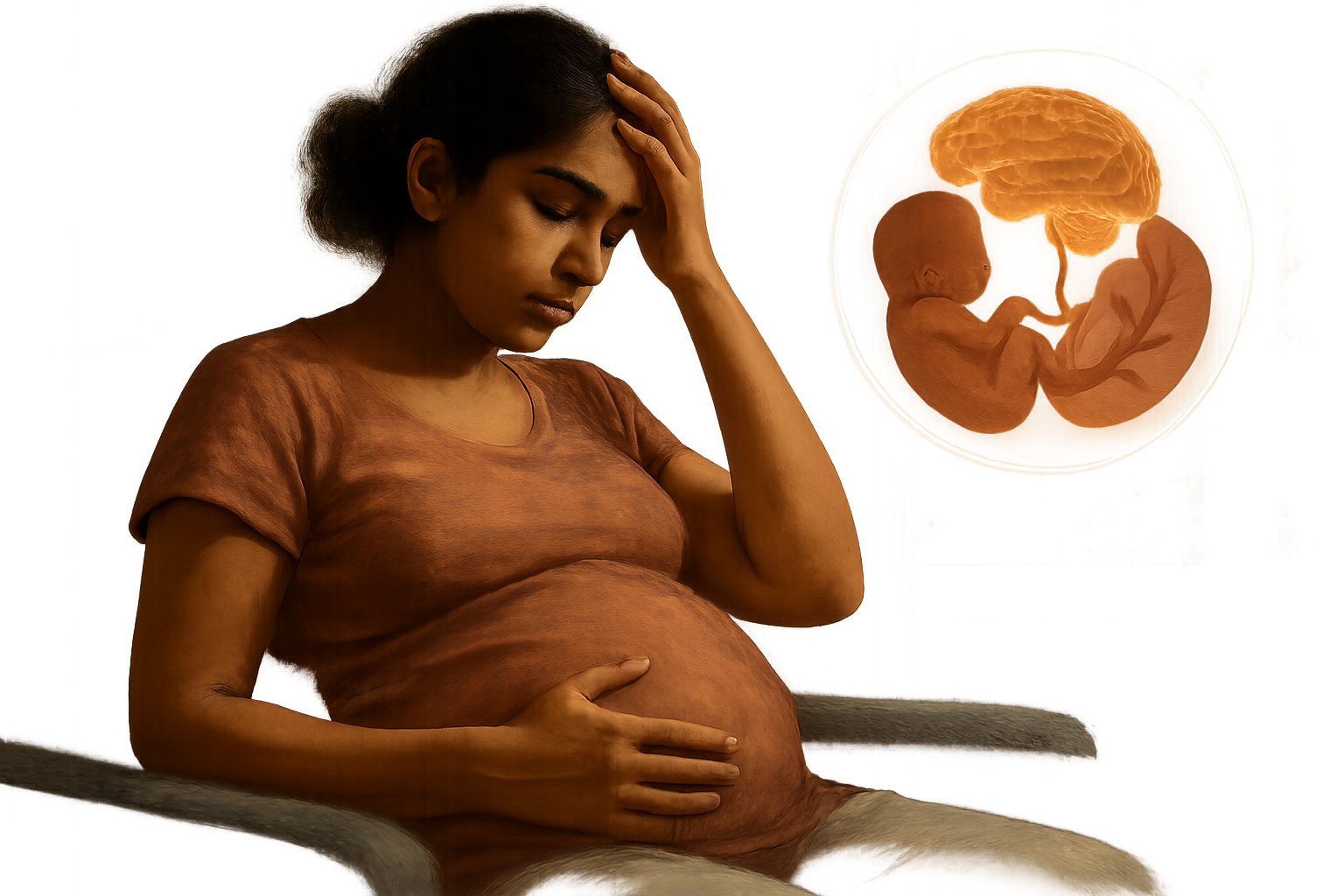
Many women in the United States—about one in five—experience mental health conditions during pregnancy. Chronic stress during this time is known to increase risks for both the mother and her child, particularly regarding brain and mental health challenges. However, the biological mechanisms by which stress impacts fetal brain development have not been fully understood.
The Study Finding
Recent research suggests that chronic stress in pregnancy may alter signals from the placenta, the organ connecting mother and fetus. These changes in placental signaling could affect fetal brain development pathways. Because the placenta plays a critical role in regulating the fetal environment, altered signals from it may contribute to later brain and mental health risks in children.
Evidence and Limitations
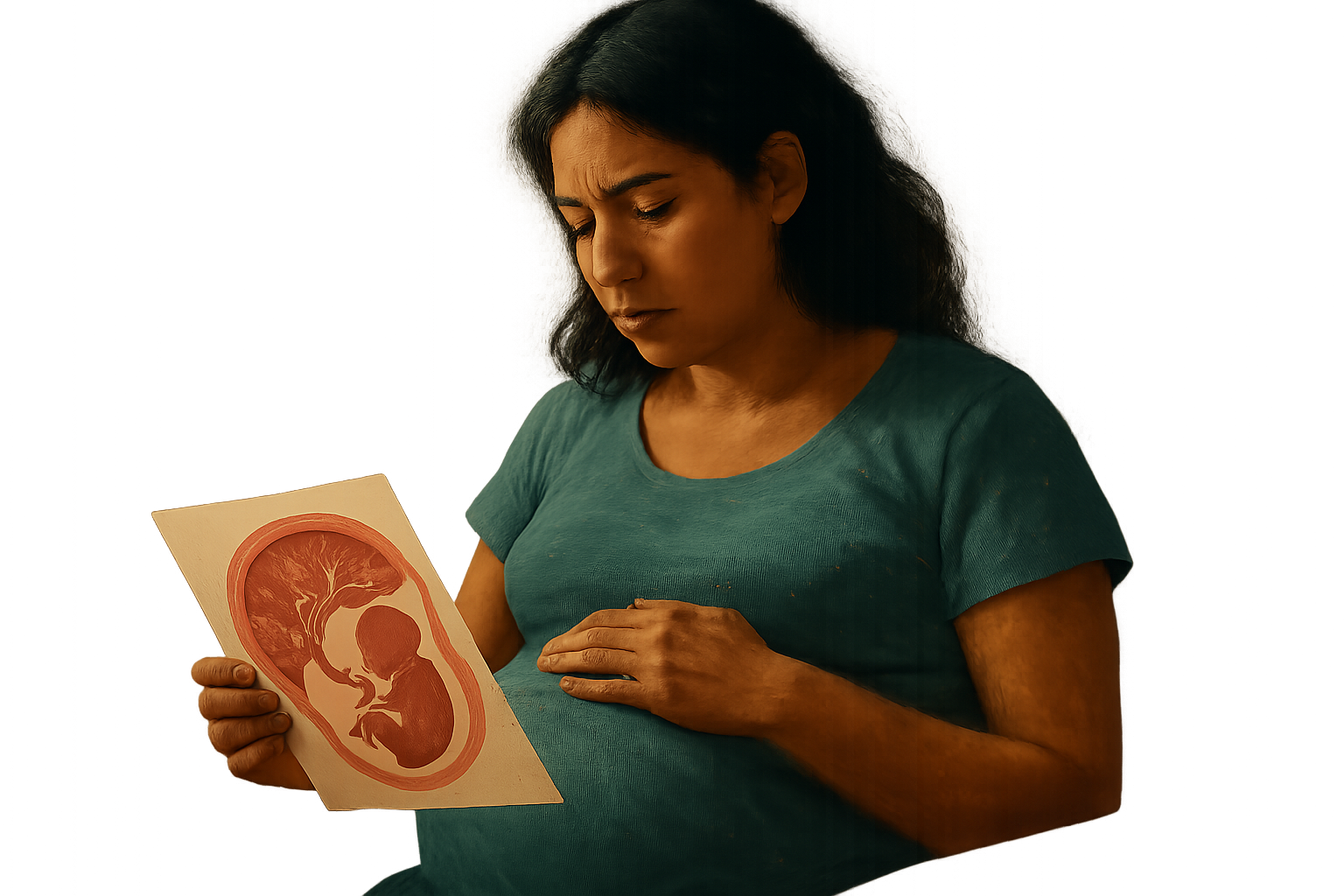
While this research sheds light on a possible biological link, it is important to emphasize that the findings are still emerging. The studies primarily focus on molecular and cellular changes in the placenta, and how these changes correspond to fetal brain outcomes is not yet fully established. Therefore, it remains unclear whether these altered placental signals directly cause developmental changes or are markers of other processes.
Researchers have not yet demonstrated in human studies that modifying stress or placental signals during pregnancy will change child mental health outcomes. More comprehensive research is needed to confirm these mechanisms and understand their implications for prevention or intervention.
Possible Implications
This line of research highlights the importance of maternal mental health during pregnancy, not only for the mother’s well-being but potentially for the child’s brain development. If future studies clarify and confirm these biological pathways, it could pave the way for new strategies to support healthy fetal development in the context of maternal stress. However, at present, these findings should be viewed as preliminary insights rather than definitive answers.
Source: Medical Xpress
Paste the copied caption into your Instagram post. Caption links are not clickable; add the article URL to a Story link sticker or your profile link.
Open Instagram