T-cell research reveals paths to better vaccines for COVID-19 and beyond
Research into how T-cells respond to COVID-19 may explain why some people get very sick while others do not, guiding future vaccine improvements.
Paste the copied caption into your Instagram post. Caption links are not clickable; add the article URL to a Story link sticker or your profile link.
Open InstagramFor information, not personal medical advice. Discuss treatment decisions with a qualified clinician.
Key takeaways
- T-cell responses to COVID-19 vary widely between individuals and may help explain differences in disease severity.
- Strong and diverse T-cell activity is linked to milder COVID-19, suggesting a crucial role in immune protection.
- Future vaccines targeting T-cell immunity could offer broader and longer-lasting protection, including against variants.

COVID-19 infections can cause very different reactions in different people. Some may experience no symptoms at all, while others can become severely ill and require intensive care. Recent research into the role of T-cells, an important part of the immune system, is shedding light on why these differences occur and how this knowledge could lead to better vaccines.
Understanding T-cells and COVID-19
T-cells help the body fight viral infections by recognizing and killing infected cells. Their response to the virus can vary greatly between individuals. Scientists studying T-cell responses in people infected with the same strain of COVID-19 have found significant differences in immune activity.
Laboratory and Human Evidence
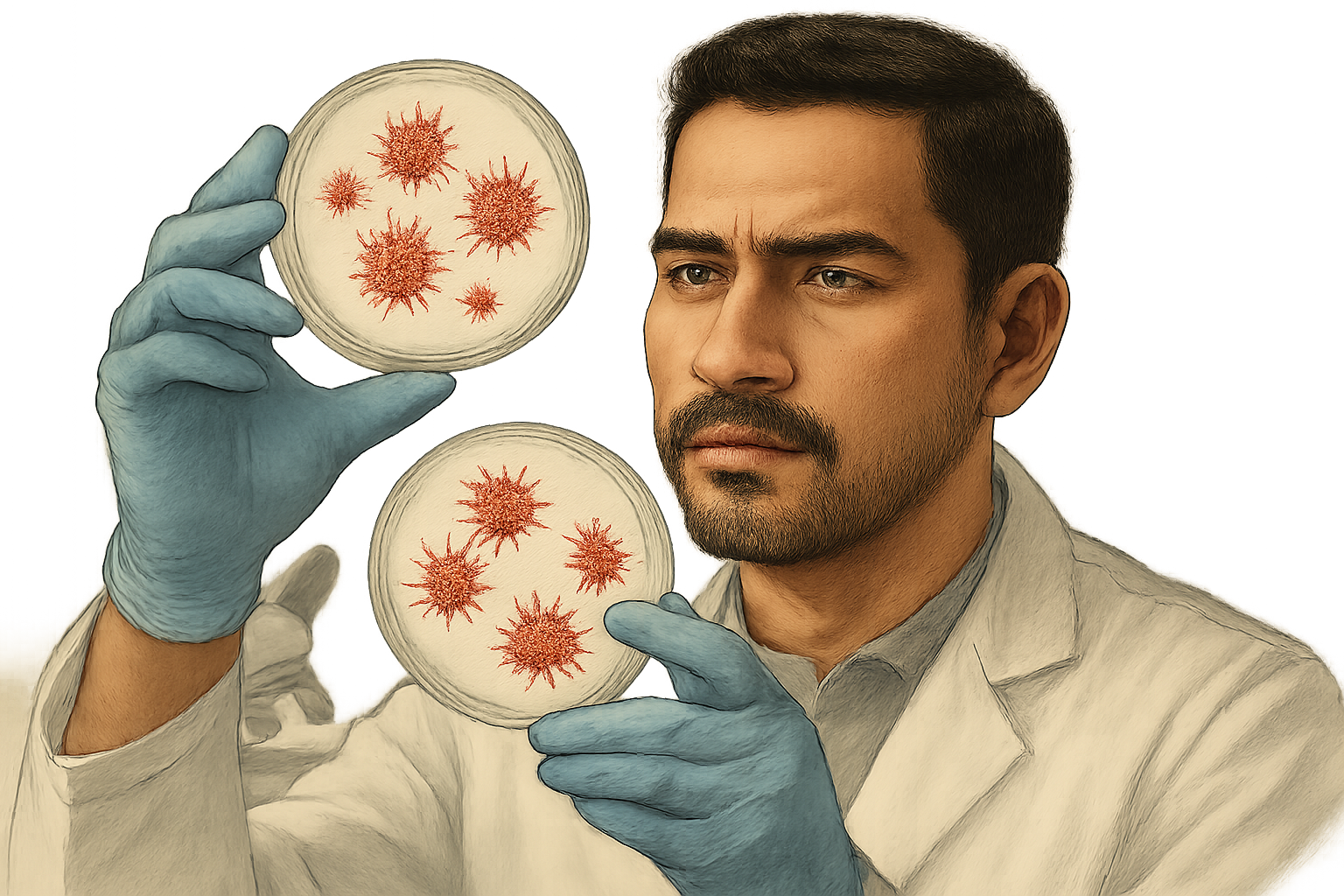
Laboratory research has shown that T-cells target multiple parts of the virus, which may offer broader protection than antibodies that focus on just one viral component. Studies in human patients have observed that strong and diverse T-cell responses are often related to milder disease, while weaker or less targeted responses may be linked to severe illness.
Limitations and Uncertainties
While these findings suggest T-cell responses play a key role in disease severity, it is important to note that correlation does not prove causation. Other factors, such as age, underlying health conditions, and viral load, also influence outcomes. Current research is still exploring exactly how different T-cell profiles contribute to protection or risk.
Implications for Vaccine Development
Most existing COVID-19 vaccines primarily focus on stimulating antibodies. However, understanding T-cell responses better could help design vaccines that also induce strong T-cell immunity. Such vaccines might provide more durable and broader protection, potentially effective against variants and other viruses beyond COVID-19.
At present, modifications to vaccines based on T-cell response research are still in development, and more studies are needed to confirm their benefits and safety.
Source: Medical Xpress
Paste the copied caption into your Instagram post. Caption links are not clickable; add the article URL to a Story link sticker or your profile link.
Open Instagram