This common vitamin could help fight one of the deadliest brain cancers
High-dose vitamin B3, also known as niacin, is being tested alongside standard treatment for glioblastoma, a serious brain cancer. Early results from a small study show promise, with many patients avoiding cancer progression for six months. Researchers think niacin may reactivate immune cells weakened by the tumor, but more research is needed to confirm these findings and ensure safety.
Paste the copied caption into your Instagram post. Caption links are not clickable; add the article URL to a Story link sticker or your profile link.
Open InstagramFor information, not personal medical advice. Discuss treatment decisions with a qualified clinician.
Key takeaways
- A small clinical trial suggests high doses of vitamin B3 (niacin) with standard glioblastoma treatment may prevent cancer progression in 82% of patients at six months.
- Niacin might support the immune system by restoring activity in immune cells weakened by glioblastoma, potentially helping the body fight the tumor.
- These initial results are preliminary and based on a small trial with limited details; further research is needed to confirm efficacy, safety, and long-term effects.
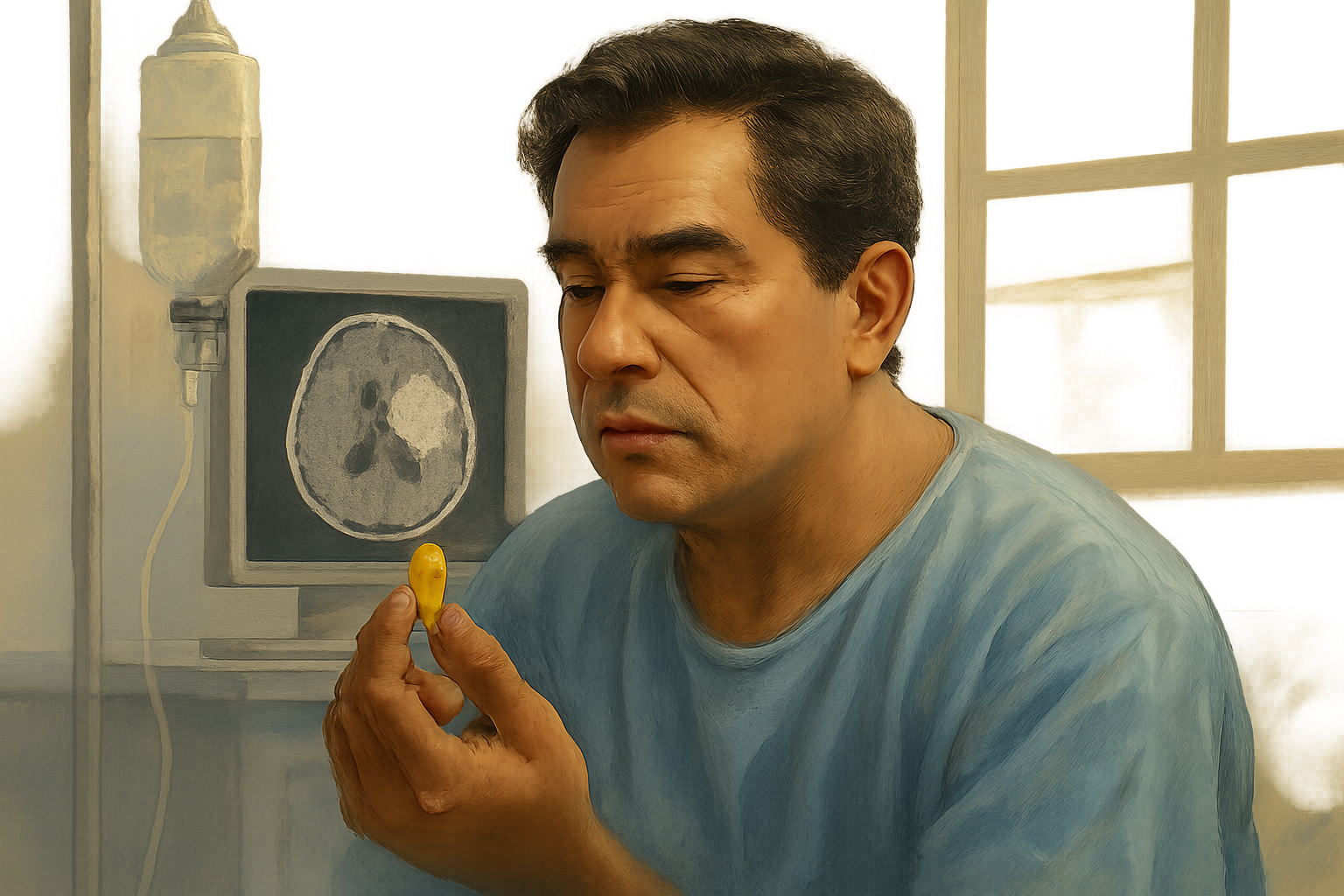
What the finding is: Researchers have explored using high doses of vitamin B3 (niacin) in addition to standard therapy for glioblastoma, one of the most aggressive brain cancers. Initial results from a small clinical trial indicate that 82% of patients had no progression of their cancer six months after treatment began, suggesting niacin might improve outcomes by supporting the immune system.
Evidence so far: The encouraging results come from a small-scale human trial testing vitamin B3 alongside usual glioblastoma treatment. Scientists believe that niacin may help restore activity in immune cells made less effective by the cancer, potentially helping the body fight the tumor better. However, details of the trial size and design are limited, and no larger studies have yet confirmed these findings or explored long-term effects.
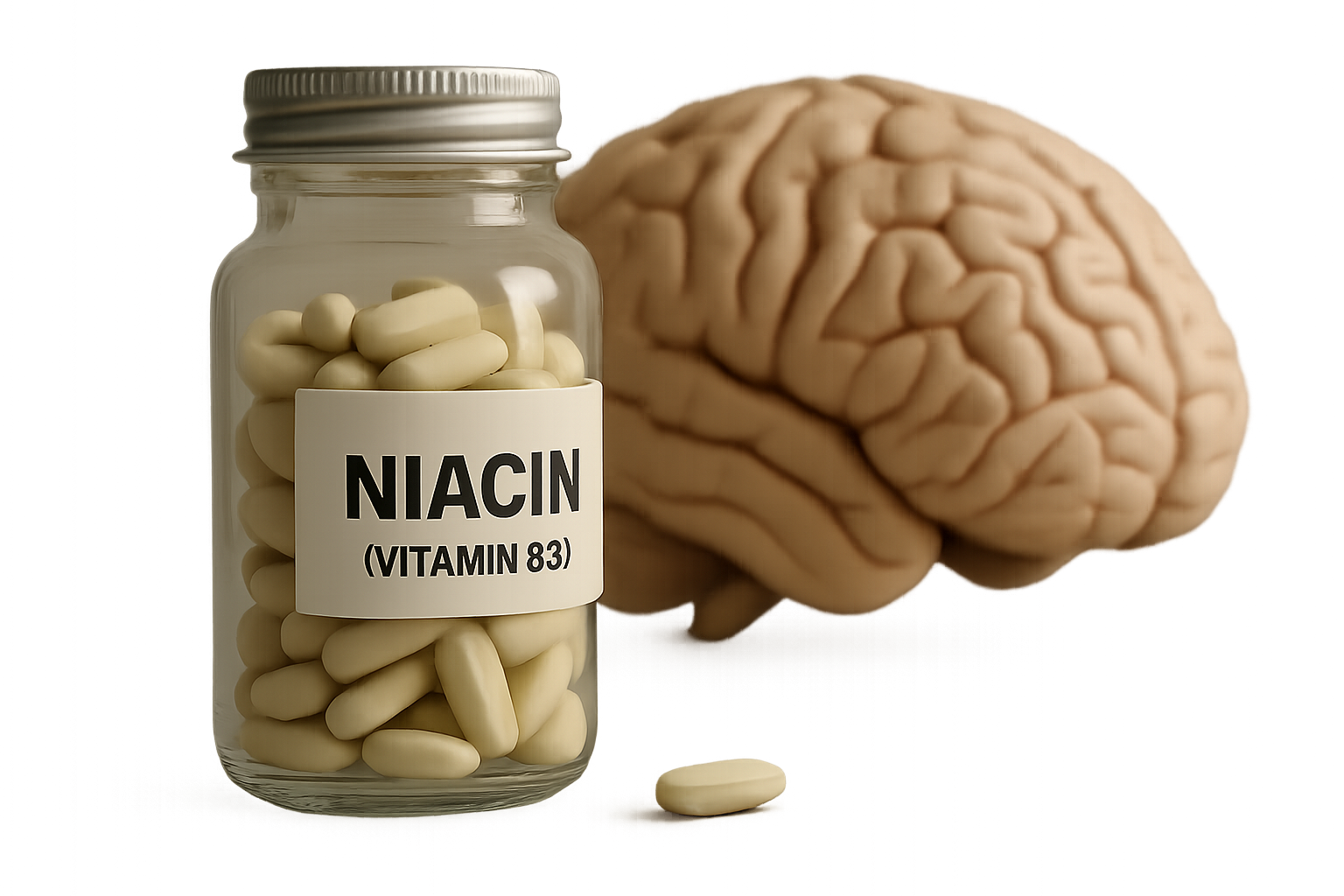
Limitations and uncertainties: While initial outcomes look promising, the evidence is preliminary. The small trial size means the results might not hold true for a wider group of patients. It's also unclear whether vitamin B3 actually extends survival or just delays progression for some time. Furthermore, the safety of high-dose niacin in this context requires more thorough evaluation. Correlation between niacin treatment and cancer control does not yet prove cause and effect.
Possible implications: If confirmed in larger and longer-term studies, adding vitamin B3 to standard glioblastoma care could become a low-cost, accessible strategy to help onboard the immune system against the cancer. For now, patients and clinicians should treat these findings as exploratory, without assuming immediate availability or proven benefit of niacin for brain cancer.
Source: ScienceDaily Medical
Paste the copied caption into your Instagram post. Caption links are not clickable; add the article URL to a Story link sticker or your profile link.
Open Instagram