Tiny Injectable Device Developed to Control Nerves for Chronic Pain Relief
Researchers have engineered a seed-sized device that can be injected to modulate nerve activity without surgery or implanted batteries. This new technology aims to improve treatment options for chronic pain and other disorders by using wireless energy from outside the body.
Paste the copied caption into your Instagram post. Caption links are not clickable; add the article URL to a Story link sticker or your profile link.
Open InstagramFor information, not personal medical advice. Discuss treatment decisions with a qualified clinician.
Key takeaways
- Scientists have developed a miniature, injectable device that wirelessly controls nerve activity to manage chronic pain and movement disorders without surgery or implanted batteries.
- Early laboratory and possibly animal studies show the device can stimulate nerves effectively, but its long-term safety and benefits in humans remain unproven.
- Further clinical trials are needed to assess risks like nerve damage and device malfunction before this technology could become a widely available treatment.
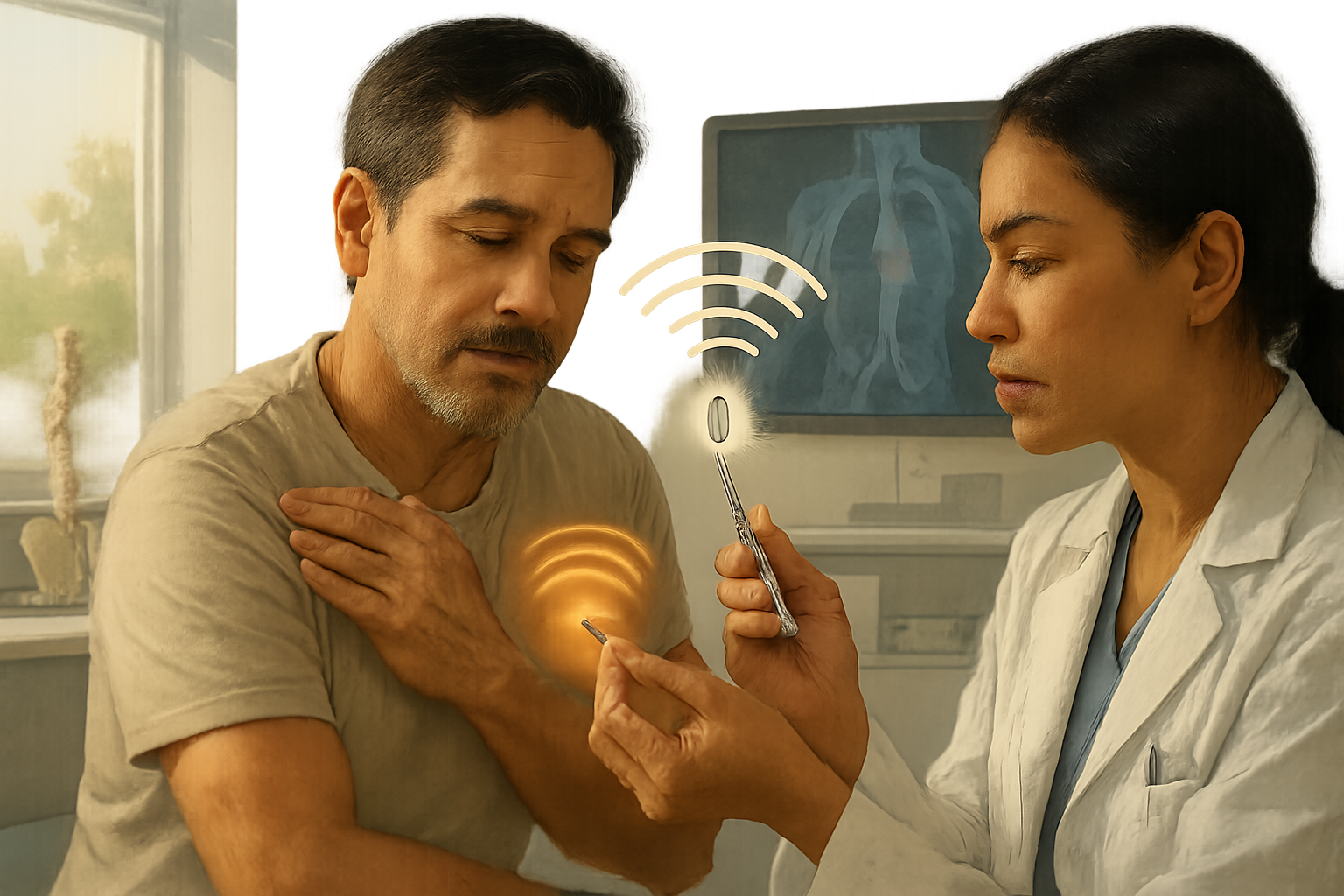
Scientists have created a miniature, injectable device designed to control nerve activity in the body, offering a novel approach to managing chronic pain and movement disorders. Unlike traditional nerve stimulators that require surgery, internal batteries, and wired connections, this tiny device is powered wirelessly from outside the body.
What the device does
This seed-sized technology can be injected near target nerves to regulate their activity. By doing so, it may help reduce pain signals or improve nerve function in conditions where nerves are causing chronic discomfort or motor issues.
Scientific evidence so far
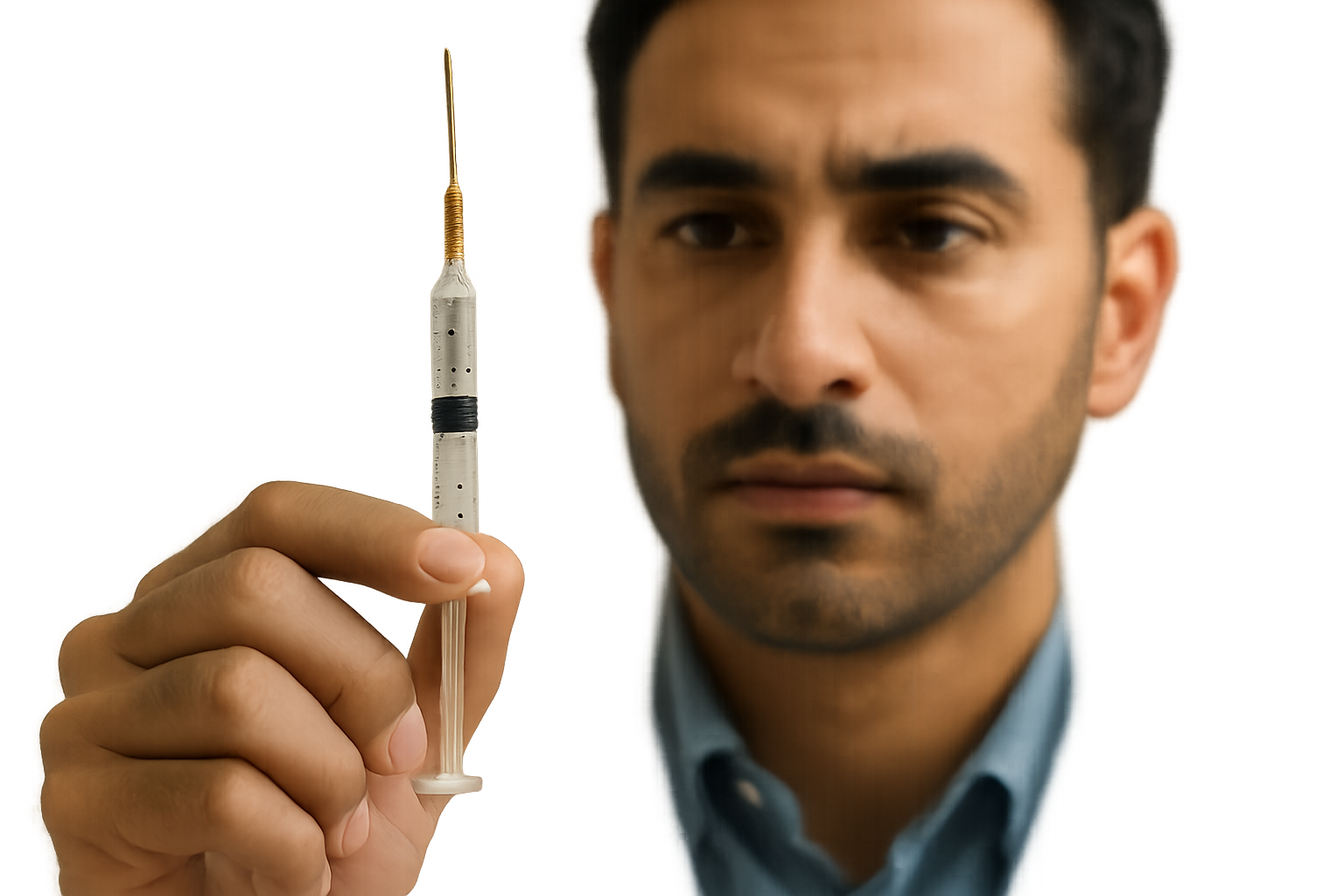
Early tests have shown promising results, demonstrating that the device can effectively receive wireless power and stimulate nerves without the need for invasive procedures. However, these findings are preliminary and do not yet confirm long-term benefits or safety in humans.
Current limitations and unknowns
It is important to note that this device is still in the early stages of development. Research to date mainly involves laboratory studies, and possibly animal testing, with no confirmed data on its effects in people over extended periods. Risks, such as unintended nerve damage or device malfunction, have not been fully assessed. Further clinical trials will be necessary to determine whether this technology can safely and effectively improve pain or movement disorder symptoms.
Possible future impact
If successful, this wireless, injectable nerve modulator could revolutionize therapies for chronic pain and other conditions by eliminating the need for complex surgeries and implanted hardware. It would also potentially reduce infection risks and improve patient comfort. However, time and rigorous testing are needed before it might become a widely available treatment option.
Source: ScienceDaily Medical
Paste the copied caption into your Instagram post. Caption links are not clickable; add the article URL to a Story link sticker or your profile link.
Open Instagram