Toddler EEG Study Shows Why Story Time and Playtime Really Matter
A new study using EEG shows that reading books, playing, and solving puzzles with toddlers stimulates their brain activity in ways that screen time does not.
Paste the copied caption into your Instagram post. Caption links are not clickable; add the article URL to a Story link sticker or your profile link.
Open InstagramFor information, not personal medical advice. Discuss treatment decisions with a qualified clinician.
Key takeaways
- EEG research shows story time and puzzle-solving stimulate stronger, more complex brain activity in toddlers than screen-based activities.
- Interactive play promotes attention, problem-solving, language, and social skills, unlike passive screen time which limits engagement.
- The study measures immediate brain responses but does not confirm long-term developmental benefits or ideal activity durations.
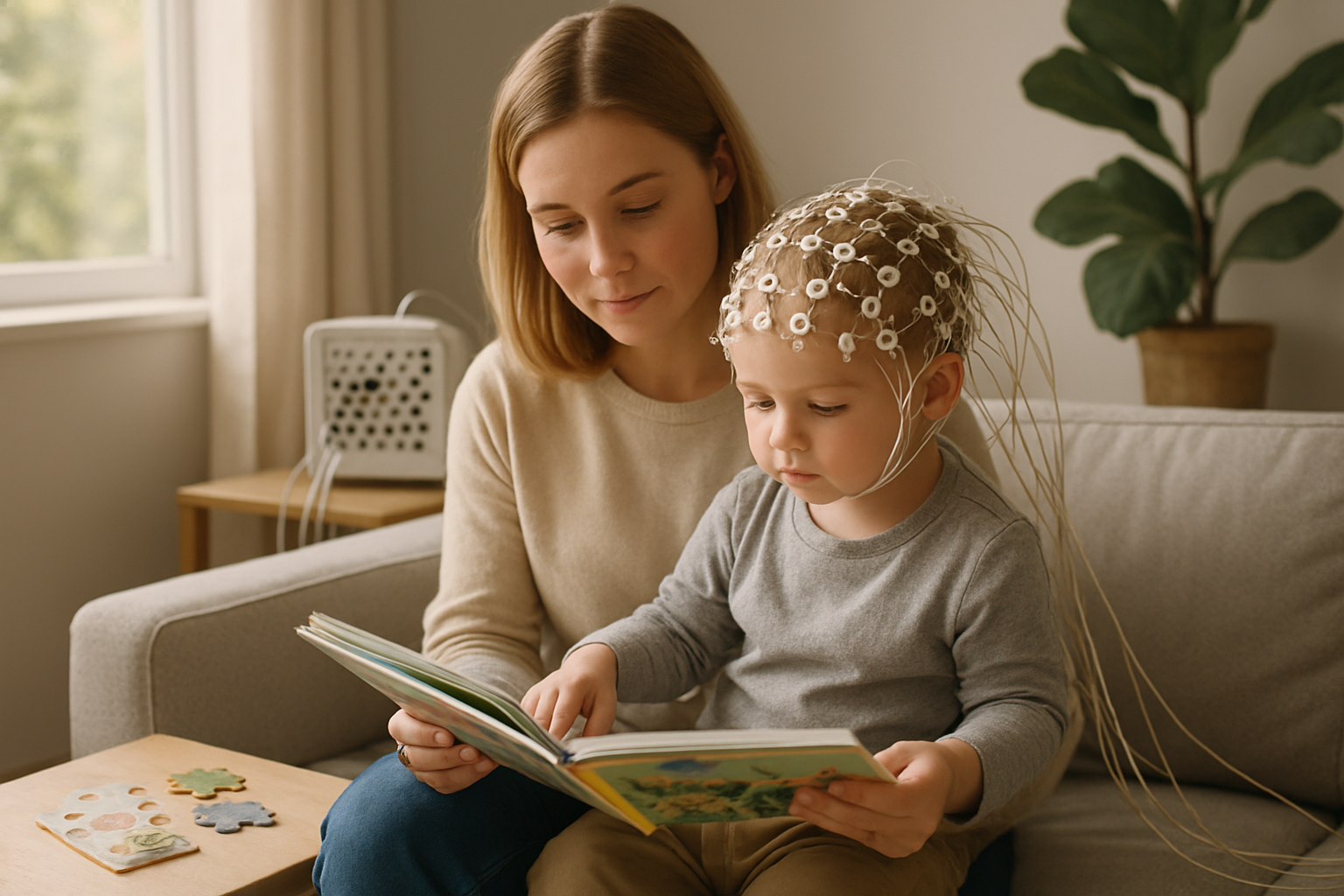
Daily interactions such as reading stories, solving puzzles, and playing with toddlers are more than just enjoyable moments; they actively engage young brains and support early development. Recent research using electroencephalography (EEG) reveals how these activities stimulate brain responses in toddlers differently than screen-based activities.
What the Research Shows
The study employed EEG to measure brain activity in toddlers during various activities typical of parent-child interactions. Activities like story time and puzzle-solving elicited stronger and more complex patterns of brain activity compared to when toddlers were exposed to screens.
This suggests that these types of interaction provide richer experiences that help develop brain networks important for later learning and cognitive function. Unlike passive screen time, which often involves limited engagement, these play sessions appear to actively encourage toddlers’ attention, problem-solving, language, and social skills.
Understanding the Evidence
EEG measures electrical activity in the brain and can indicate how different experiences stimulate neurological development. This type of research is helpful because it looks directly at the brain’s responses in real time.
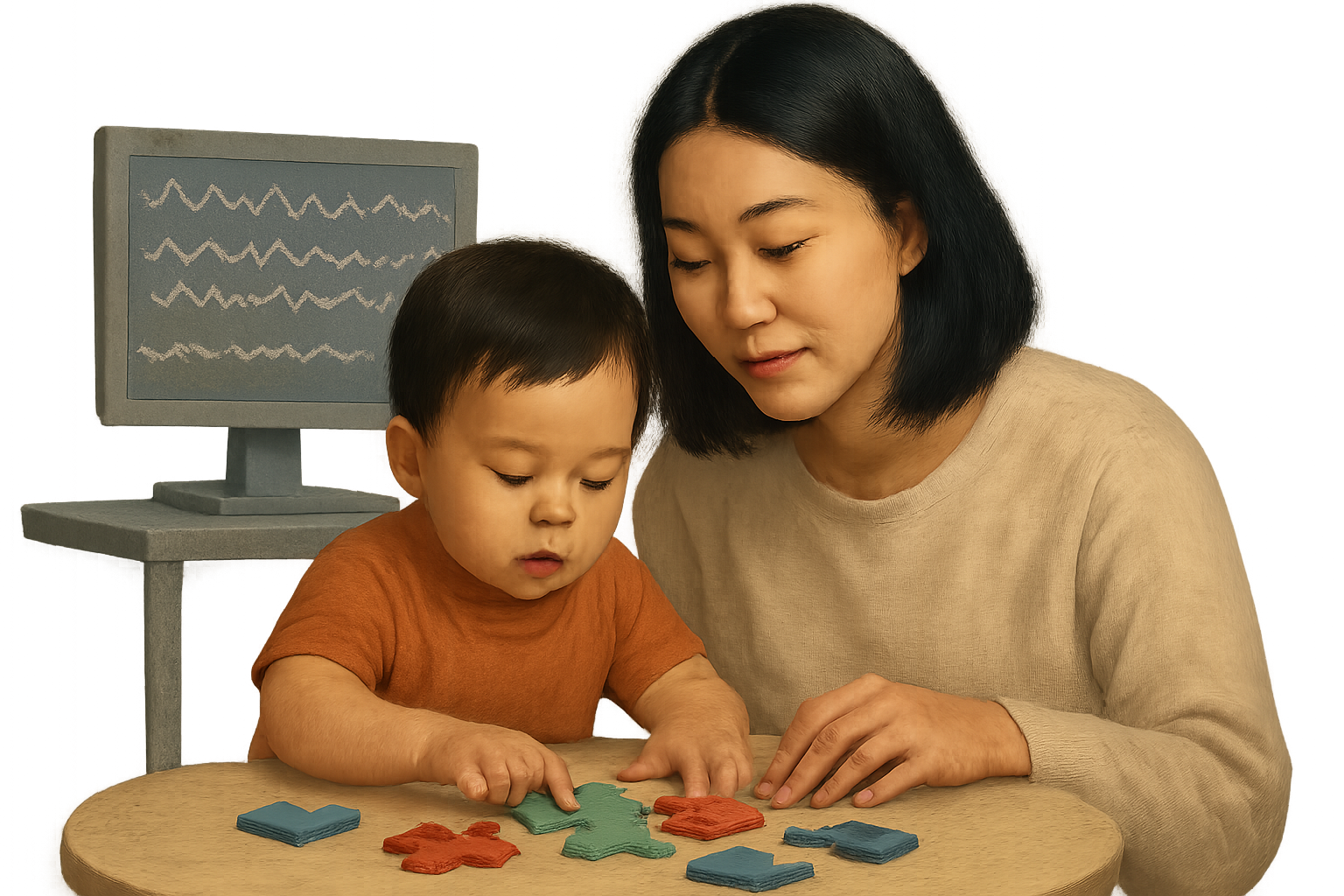
However, EEG data alone cannot prove direct long-term benefits such as improved academic performance or social skills. The study focuses on immediate neural engagement but does not establish causation between these activities and developmental outcomes over time.
Limitations and Considerations
While the findings highlight the value of interactive play over screen time, the research does not quantify how much time is optimal or how these activities compare to screen time in natural settings over months or years.
Additionally, different toddlers may respond in varied ways based on individual factors, and the study likely involved controlled environments that may not fully represent everyday home dynamics.
Possible Implications
These results reinforce existing recommendations from child development experts encouraging parents to spend quality interactive time with their toddlers. Prioritizing activities like reading together, playing games, and solving puzzles may support healthy brain development more effectively than letting toddlers watch TV or use digital devices.
Overall, this study provides biological evidence supporting the benefits of active engagement and helping parents understand why story time and playtime matter for early childhood growth.
Source: Medical Xpress
Paste the copied caption into your Instagram post. Caption links are not clickable; add the article URL to a Story link sticker or your profile link.
Open Instagram