Tumor Suppressor Gene Mutations Trigger Immune Activation in Early Oral Cancer
Research reveals that common mutations in tumor suppressor genes TP53 and CDKN2A may activate the immune system during the early development of oral cancer, shedding light on initial disease processes.
Paste the copied caption into your Instagram post. Caption links are not clickable; add the article URL to a Story link sticker or your profile link.
Open InstagramFor information, not personal medical advice. Discuss treatment decisions with a qualified clinician.
Key takeaways
- Mutations in the tumor suppressor genes TP53 and CDKN2A often occur together in early oral cancer and are linked to immune system activation.
- This immune activation may represent the body's initial response to abnormal cells, though its impact on tumor growth or cancer progression remains unclear.
- Current research is observational, focusing on molecular and genetic findings without clinical trial data or confirmed cause-and-effect relationships.
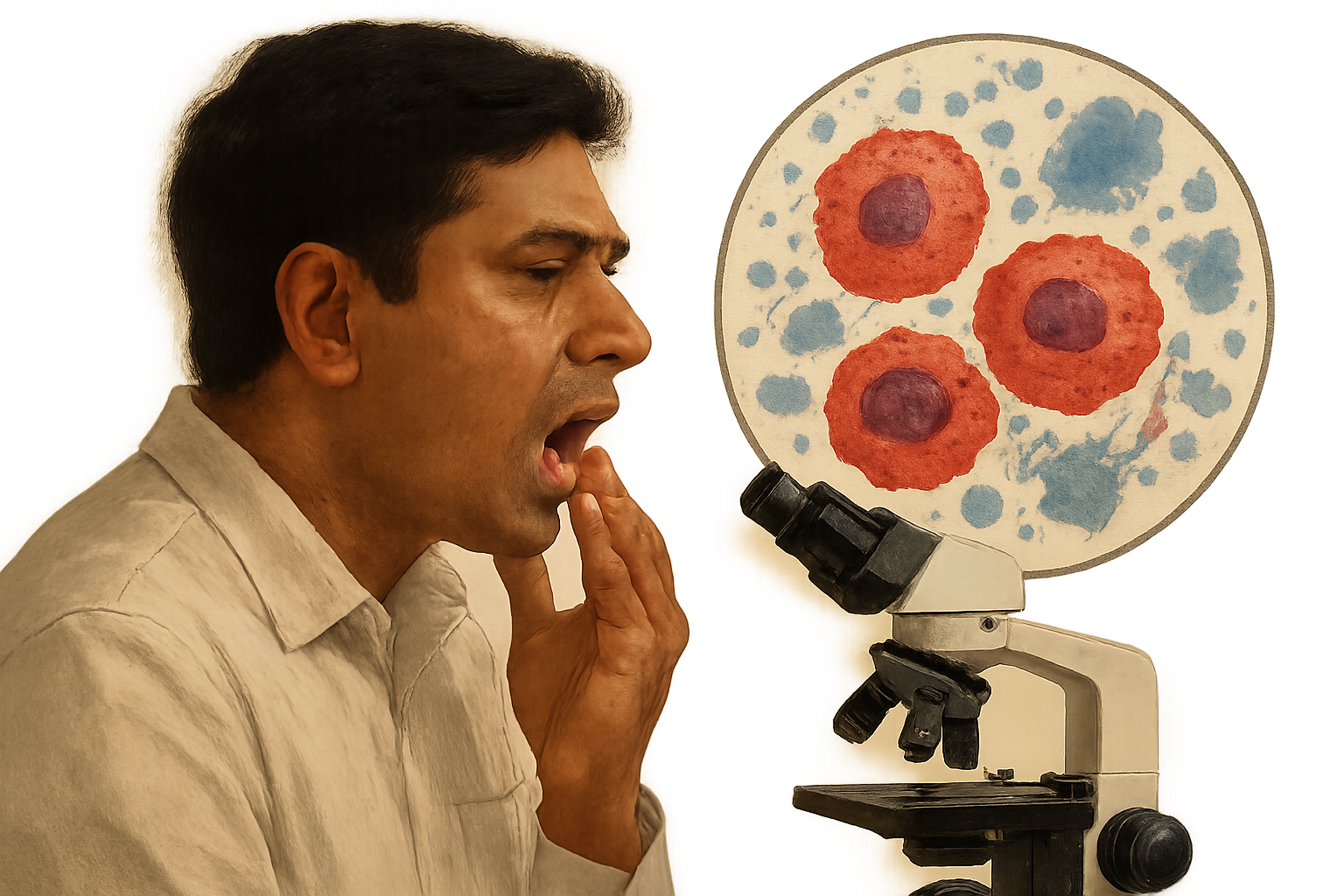
Head and neck squamous cell carcinoma (HNSCC) is a type of cancer frequently found in the mouth and upper throat areas. It often develops due to long-term exposure to harmful substances like tobacco, alcohol, and betel nut. Two tumor suppressor genes, TP53 and CDKN2A, are among the most commonly altered genes in this cancer type. These genes normally help control cell growth and prevent cancer formation.
Mutations in TP53 and CDKN2A often occur together within the same tumor. While scientists have known these mutations are common in HNSCC, the effects of having both mutated genes at early stages of oral cancer development were not well understood.
New Findings on Early Cancer Development
Recent research has demonstrated that when these two tumor suppressor genes are mutated together, they trigger activation of the immune system in the earliest phases of oral cancer. This immune activation might represent the body's initial response to abnormal or potentially cancerous cells.
Understanding the Evidence
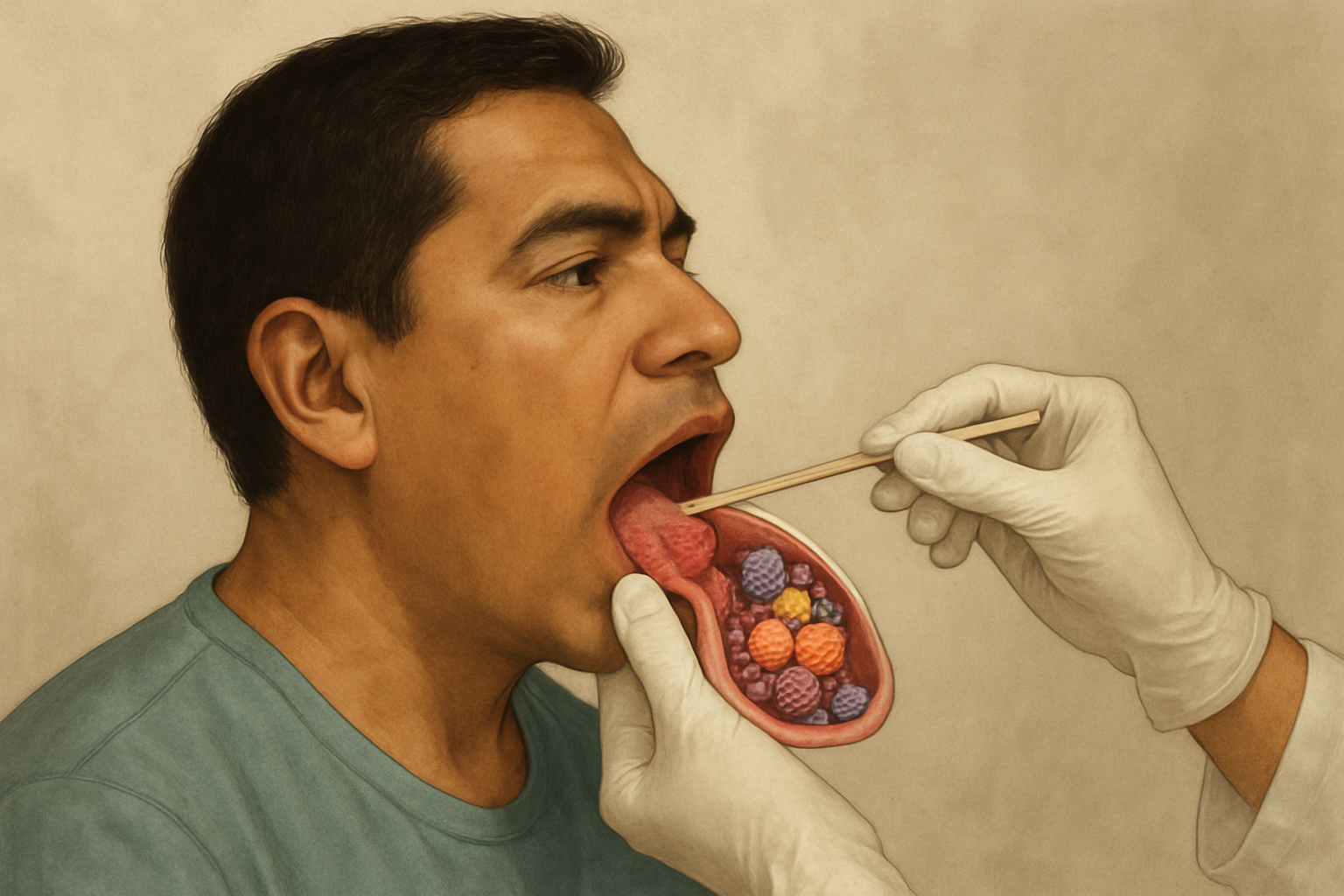
The findings come from molecular and genetic studies examining tumor samples from early oral cancers. These studies identify a correlation between combined TP53 and CDKN2A mutations and immune system markers. However, this evidence is mostly observational and does not prove that the mutations directly cause immune activation. Laboratory studies help link these changes to biological pathways but cannot fully establish cause and effect in humans.
Limitations and Uncertainties
- Current data do not clarify whether the immune activation helps control tumor growth or contributes to cancer progression.
- It is unknown if this early immune response could be enhanced for treatment or prevention.
- The research focuses on genetic and immune changes; it does not yet include clinical trials or patient outcome data related to these mutations.
Possible Implications
Improving understanding of early genetic changes and immune responses in oral cancer could help develop new strategies for early detection or immunotherapy. If future studies confirm that immune activation occurs reliably due to these mutations, it might become a target for earlier interventions. However, more research is needed to translate these molecular insights into clinical benefits.
Source: Medical Xpress
Paste the copied caption into your Instagram post. Caption links are not clickable; add the article URL to a Story link sticker or your profile link.
Open Instagram