Vitamin D Drug Shows Potential Against Pancreatic Cancer Shield
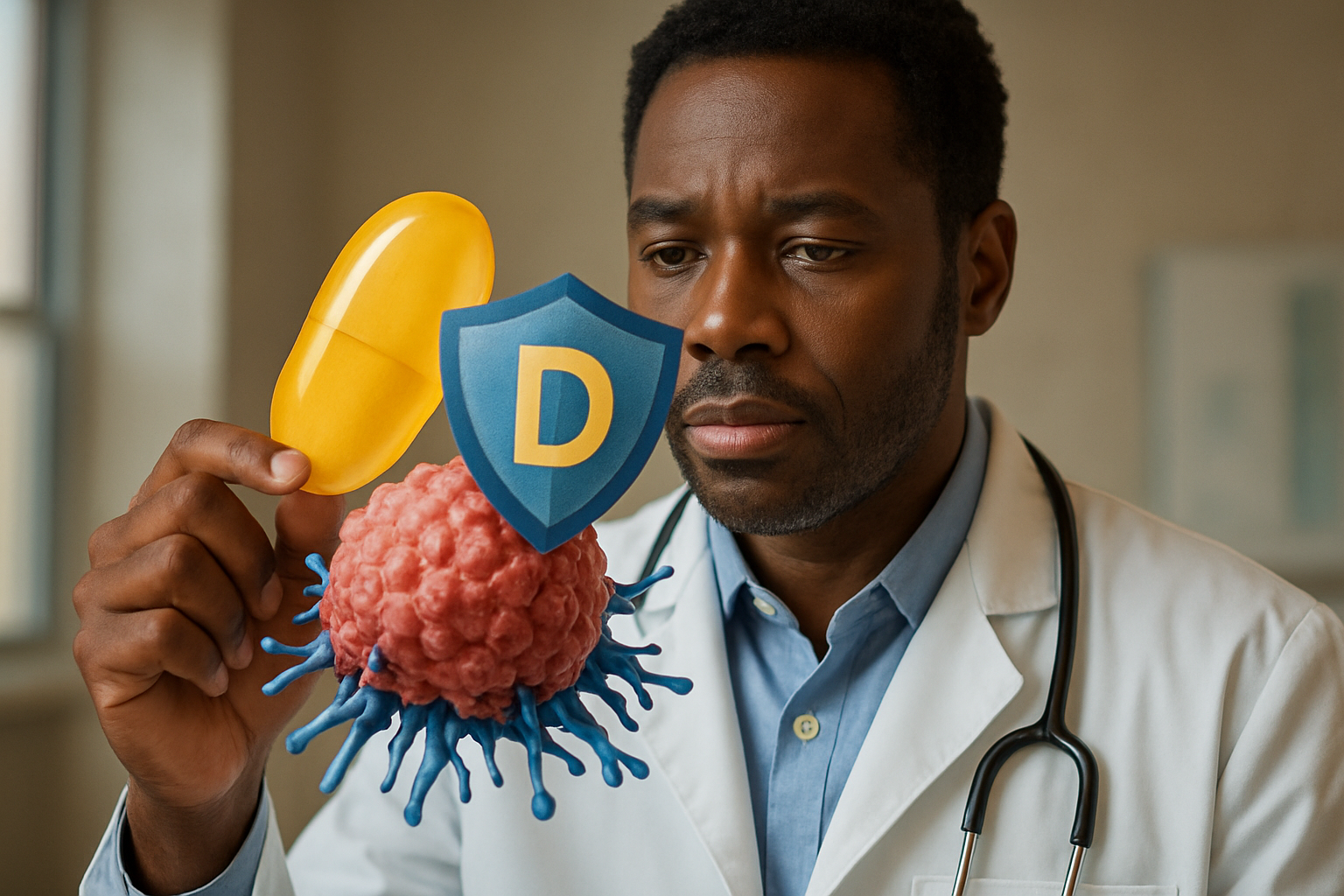
A vitamin D-like drug may weaken the defenses of pancreatic tumors, helping treatments work better. Early clinical trials found some promising effects, especially in tumors rich in vitamin D receptors.
Paste the copied caption into your Instagram post. Caption links are not clickable; add the article URL to a Story link sticker or your profile link.
Open InstagramFor information, not personal medical advice. Discuss treatment decisions with a qualified clinician.
Key takeaways
- A small clinical trial suggests a vitamin D analog may disrupt pancreatic tumor defenses, potentially enhancing chemotherapy and immune therapies.
- The drug's benefit appears linked to tumors rich in vitamin D receptors; effects on survival and quality of life remain unclear due to limited data.
- Safety and side effects were not described; further research is needed before this remains an experimental approach.
What the research found:
Understanding the evidence
The encouraging findings come from a small clinical trial, which means only a limited number of patients participated. The study showed that the vitamin D analog might alter the tumor environment by disrupting its defensive barrier. This could improve how well chemotherapy and immune-based therapies work.
It is important to note that while laboratory and animal studies often support this approach, the summary specifically refers to human evidence from a clinical trial. However, detailed information on the trial size, exact responses, or length of follow-up was not provided in the source data.
Limitations and uncertainties

Because the clinical trial was small, results should be considered preliminary. We do not yet know how much this drug might improve survival or quality of life for pancreatic cancer patients. Additionally, the summary highlights responses mainly in tumors rich in vitamin D receptors, suggesting the drug’s benefit might depend on tumor characteristics.
Potential harms or side effects of this vitamin D analog were not described, so safety remains unclear. More extensive research is necessary to confirm how well this approach works and who might benefit most.
Possible implications and next steps
If further studies support these findings, a vitamin D analog could become part of combined treatment strategies aiming to weaken pancreatic cancer defenses and increase treatment effectiveness. This could eventually help improve outcomes for a cancer type that is typically very hard to treat.
Until then, the drug remains experimental and is not an approved treatment. Patients and doctors should continue to rely on established therapies and participate in clinical trials when appropriate.
Source: ScienceDaily Medical
Paste the copied caption into your Instagram post. Caption links are not clickable; add the article URL to a Story link sticker or your profile link.
Open Instagram