Weak Sunlight Can Still Damage Your DNA, Scientists Warn
A new Australian study shows that even low doses of UV sunlight, which do not cause sunburn, can damage the DNA in skin cells. This damage could build up over time, potentially increasing the risk of skin cancer.
Paste the copied caption into your Instagram post. Caption links are not clickable; add the article URL to a Story link sticker or your profile link.
Open InstagramFor information, not personal medical advice. Discuss treatment decisions with a qualified clinician.
Key takeaways
- Weak sunlight, including on cloudy days and during early morning or late afternoon, can still cause DNA damage in skin cells without visible sunburn.
- DNA damage from low-level UV exposure could accumulate over time, potentially increasing the risk of skin cancer.
- The study does not establish a direct cause-and-effect between weak sunlight DNA damage and skin cancer; further research is needed.
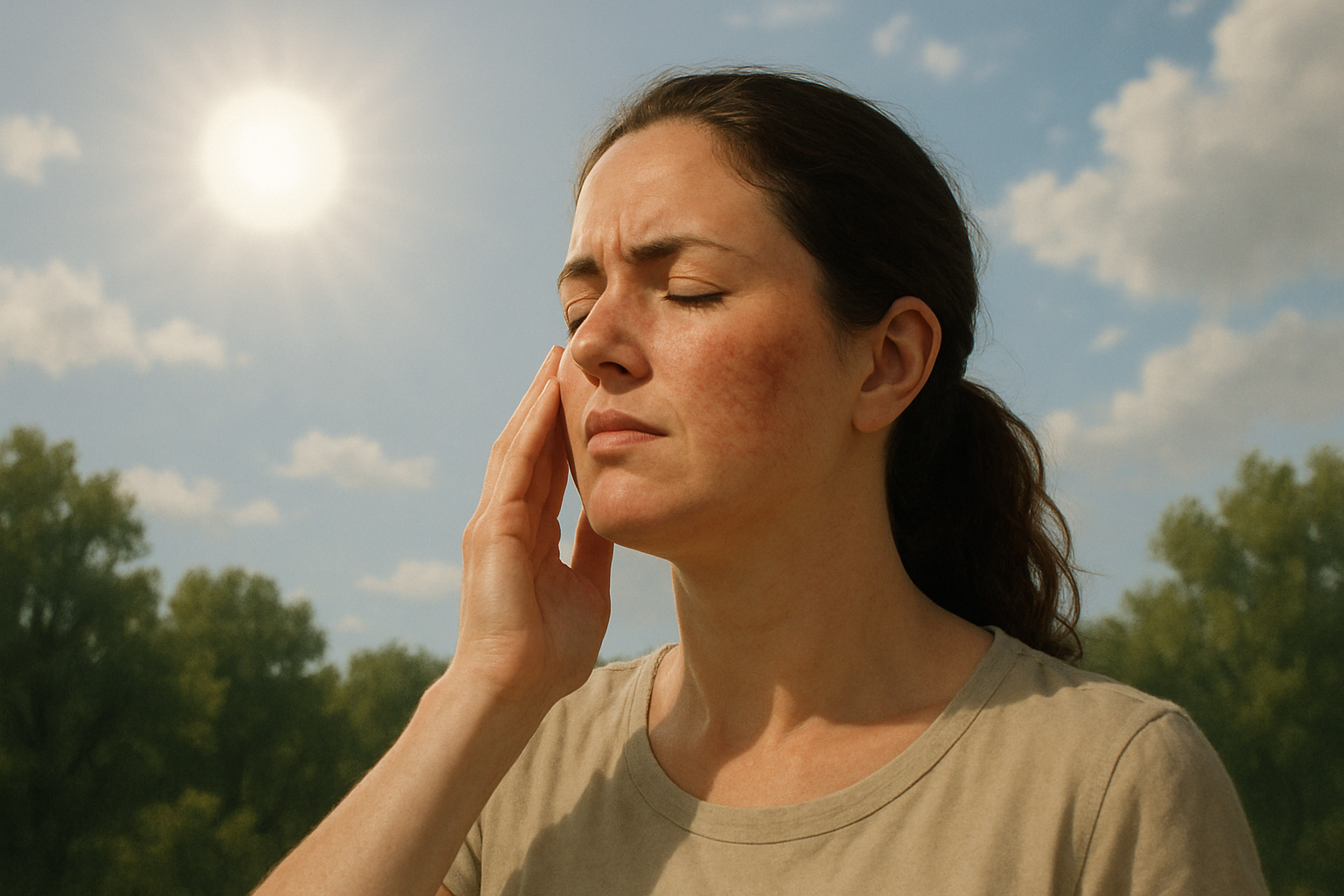
Scientists in Australia have conducted research indicating that weak sunlight can still harm the DNA in our skin cells. This finding comes from laboratory and human exposure studies focusing on ultraviolet (UV) radiation levels that are typically too low to produce visible skin redness, known as sunburn.
What the Finding Means
The study found that even low amounts of UV light, like on cloudy days or during early morning and late afternoon hours, can cause cellular damage to skin DNA. This damage may not be immediately visible, unlike sunburn, but it could accumulate over repeated exposures. Such accumulated DNA damage is one factor that may increase the risk of developing skin cancer over time.
Evidence Behind the Study

The research involved measuring molecular markers of DNA damage in skin samples exposed to weak sunlight. These markers appeared even when the UV dose was insufficient to cause visible redness. By linking low-level UV exposure to DNA changes in cells, researchers showed that skin damage is not limited to intense sunlight or sunburn episodes.
Limitations and Remaining Questions
While the study demonstrates DNA damage from weak sunlight, it does not prove a direct cause-and-effect relationship with skin cancer. Further research is needed to understand how much such damage contributes to cancer risk compared to other factors like intense UV exposure or genetics. Additionally, the effect of long-term, repeated exposures to low-level UV radiation is still uncertain.
Possible Implications
This study suggests everyone should be mindful of UV exposure throughout the day and year, not just during peak sunlight hours. Protective measures like sunscreen and clothing could be important even when the sun seems weak. However, more studies will be required before making detailed public health recommendations.
Source: ScienceDaily Medical
Paste the copied caption into your Instagram post. Caption links are not clickable; add the article URL to a Story link sticker or your profile link.
Open Instagram