WHO Experts Recommend HPV Vaccination for Girls Aged 4 to 8
The World Health Organization's vaccine experts have advised countries to consider routine HPV vaccination for girls as young as 4 years old, aiming to improve vaccine coverage where rates have been low.
Paste the copied caption into your Instagram post. Caption links are not clickable; add the article URL to a Story link sticker or your profile link.
Open InstagramFor information, not personal medical advice. Discuss treatment decisions with a qualified clinician.
Key takeaways
- WHO experts recommend considering routine HPV vaccination for girls aged 4 to 8 to improve immunization coverage where rates are low.
- The recommendation aims to increase vaccine access rather than reflecting new evidence on safety or effectiveness in this younger age group.
- There is limited data on HPV vaccine benefits and immune response in girls under 9; further research is needed to clarify these aspects.
What the Recommendation Says
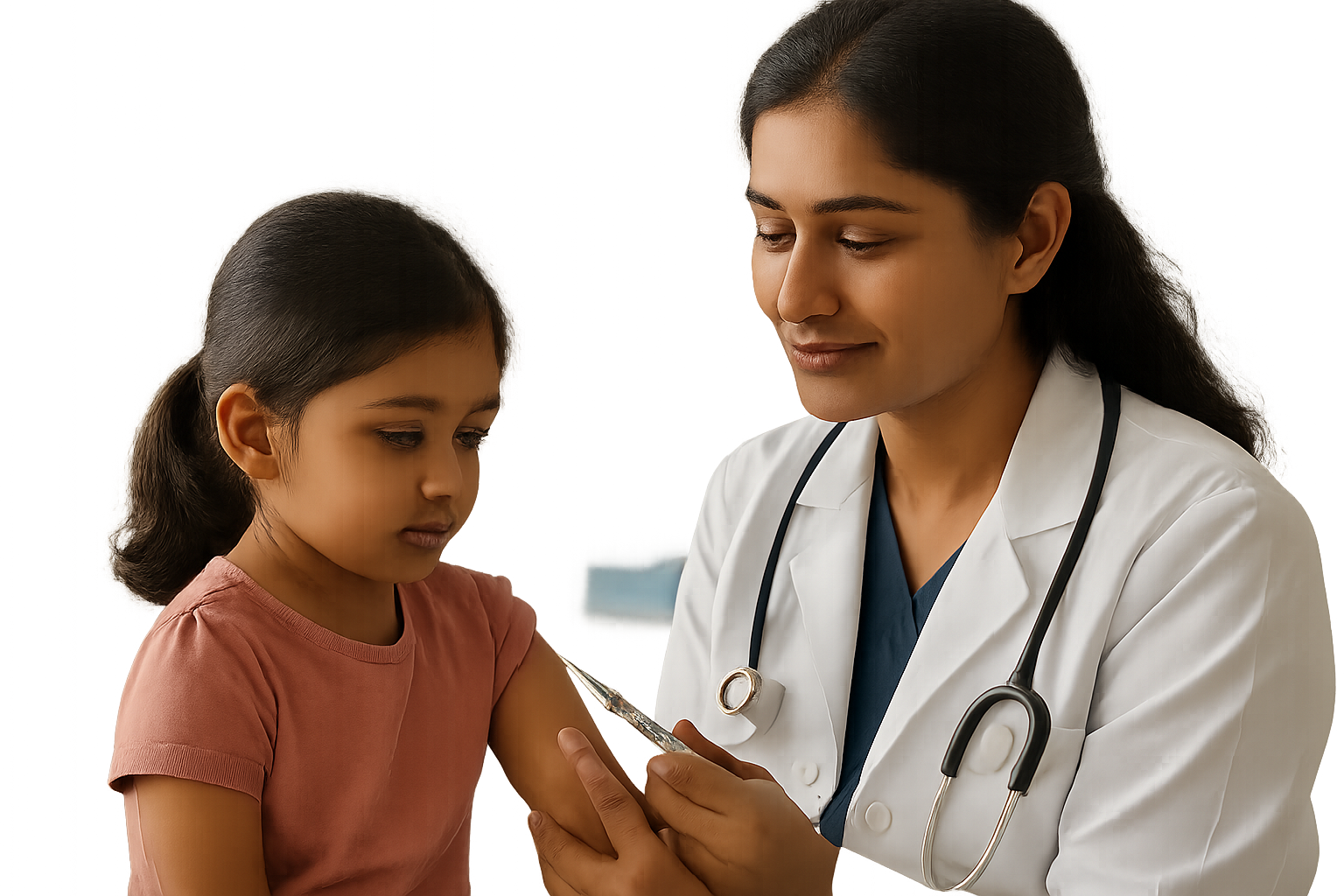
Experts from the World Health Organization (WHO) have suggested that countries think about giving the human papillomavirus (HPV) vaccine to girls aged between 4 and 8 years old on a routine basis. This recommendation comes as an effort to increase vaccination rates in places where coverage is currently falling behind.
Understanding HPV Vaccination
HPV vaccines protect against viruses that can cause cervical cancer and other diseases. Traditionally, these vaccines are given to girls and young women starting around ages 9 to 14. The new advice from WHO is to allow even younger girls, starting at age 4, to be vaccinated if it helps more girls get protected overall.
Evidence and Considerations
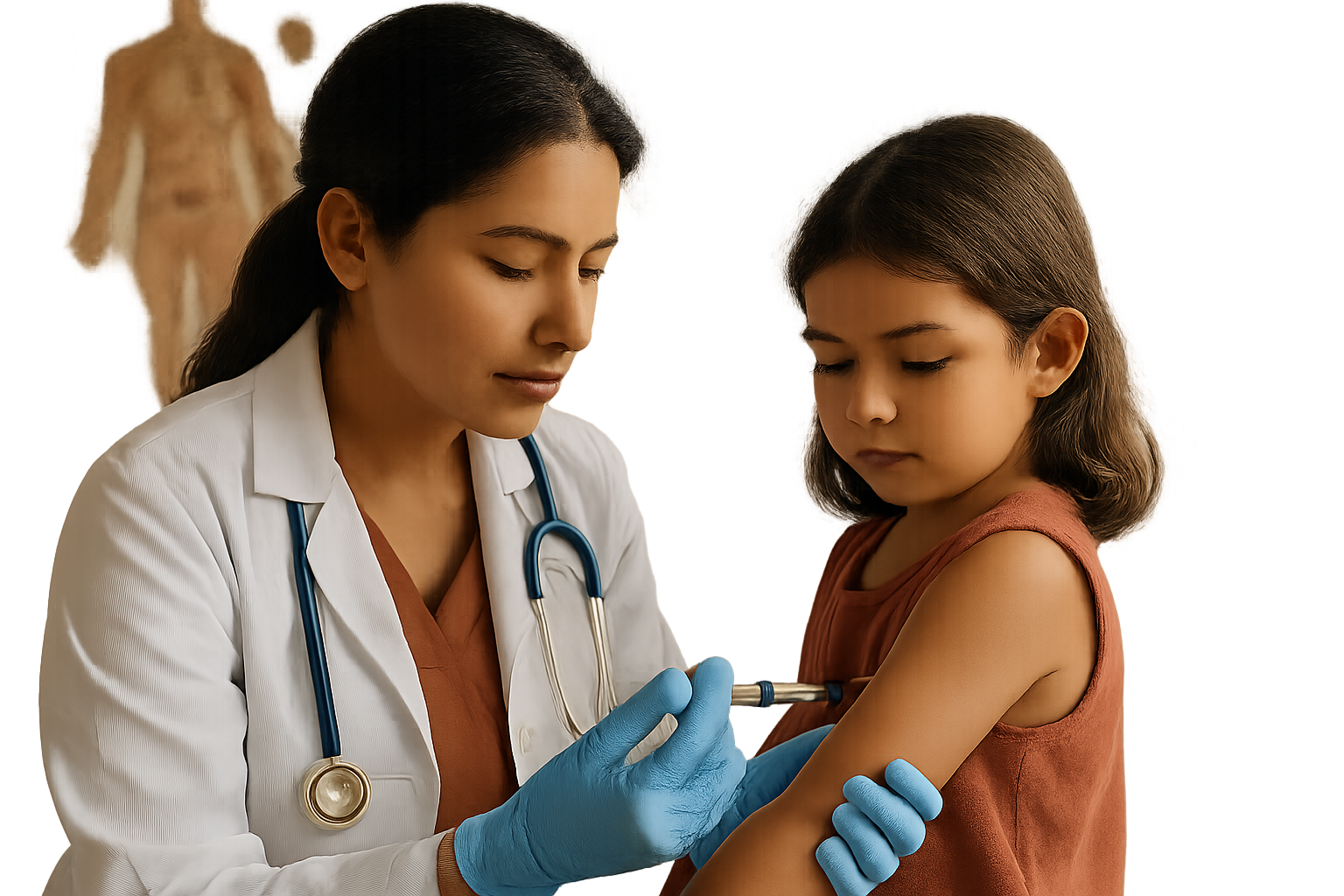
The WHO experts provided this recommendation based on the goal of improving immunization coverage. It is important to understand that the move to vaccinate younger girls is guided by public health goals rather than changes in scientific proof about vaccine safety or effectiveness at these ages. The vaccines approved for HPV have extensive data supporting their use from age 9 upwards, but data specific to ages 4 to 8 are more limited, which means this recommendation is about maximizing vaccine access.
Limitations and Unknowns
Currently, there is less evidence about the direct benefits, harms, or immune responses of HPV vaccination in girls younger than 9. WHO’s suggestion does not change the existing evidence on vaccine safety or effectiveness but highlights flexibility to countries aiming to raise coverage rates. Additional research could help clarify how effective the vaccine is at this younger age group and whether there are any unique considerations.
Implications for Patients and Health Systems
If countries adopt this recommendation, it may help protect more girls from HPV-related diseases by vaccinating them earlier. However, implementation would vary depending on local health policies, vaccine availability, and healthcare infrastructure. Families and patients should follow guidance from trusted health authorities regarding vaccination schedules.
Source: Medical Xpress
Paste the copied caption into your Instagram post. Caption links are not clickable; add the article URL to a Story link sticker or your profile link.
Open Instagram