Your aging brain may be trading memory for something more valuable
New research suggests the aging brain might shift its focus from detailed memory to broader understanding, possibly supporting wisdom and knowledge sharing in older adults.
Paste the copied caption into your Instagram post. Caption links are not clickable; add the article URL to a Story link sticker or your profile link.
Open InstagramFor information, not personal medical advice. Discuss treatment decisions with a qualified clinician.
Key takeaways
- As people age, their brains may shift from focusing on detailed memory recall to emphasizing broader understanding and contextual insight.
- This shift could be an evolutionary adaptation that helps older adults use their lifetime of experiences more effectively, potentially fostering wisdom.
- Current evidence is correlational and lacks detailed mechanisms; more research is needed to understand how universal and beneficial this brain transformation truly is.
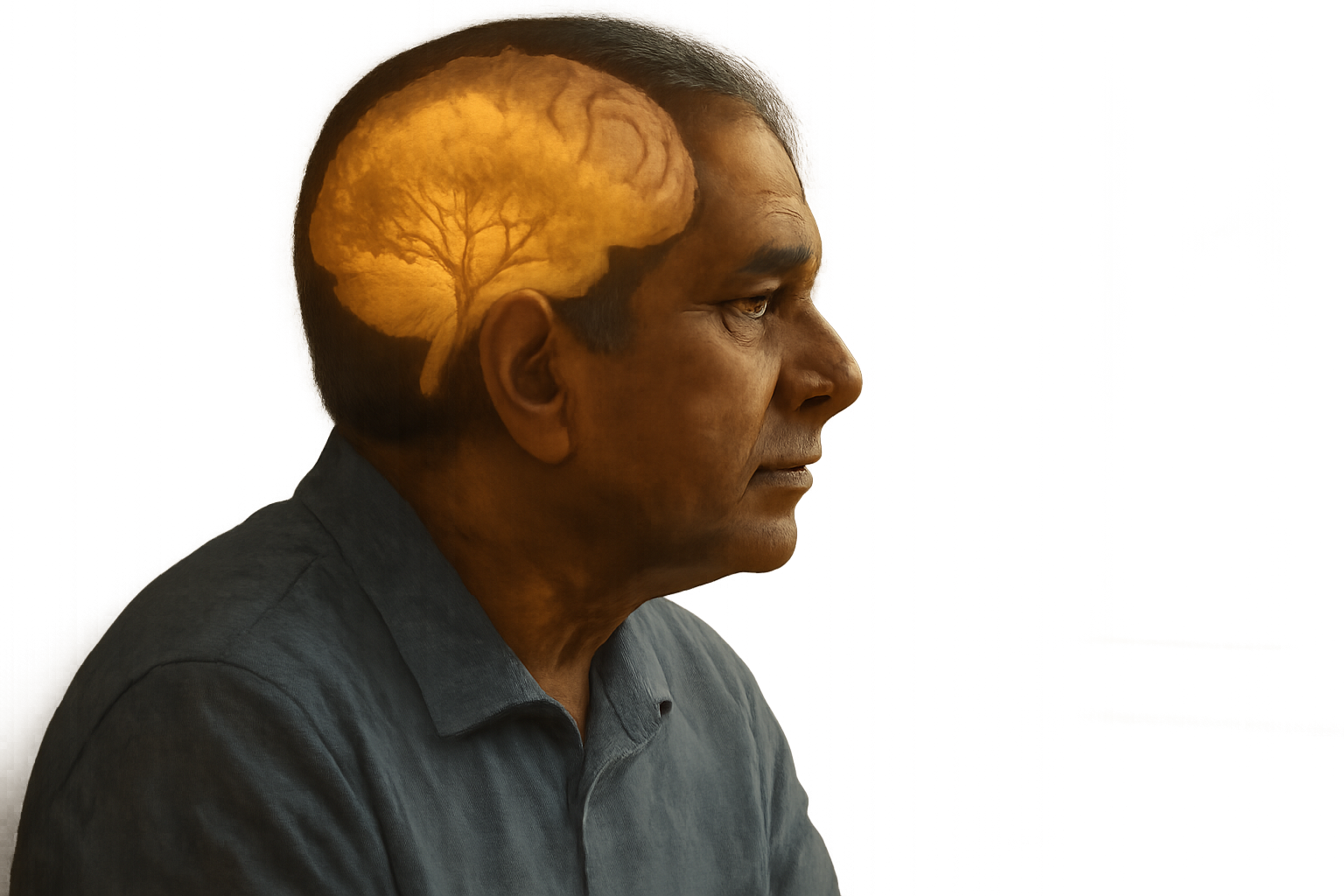
As people grow older, it's common to notice changes in memory, particularly in recalling details. However, recent scientific observations propose a different perspective: the aging brain may not just be losing skills but undergoing a transformation that prioritizes understanding over precise memory.
What the Research Suggests
Scientists have found evidence that older adults might experience a shift in brain function where detailed memory retrieval becomes less dominant. Instead, the brain appears to emphasize grasping the bigger picture and contextual understanding. This change could be an evolutionary adaptation designed to help older adults apply their lifetime of experiences and knowledge more effectively.
Potential Benefits
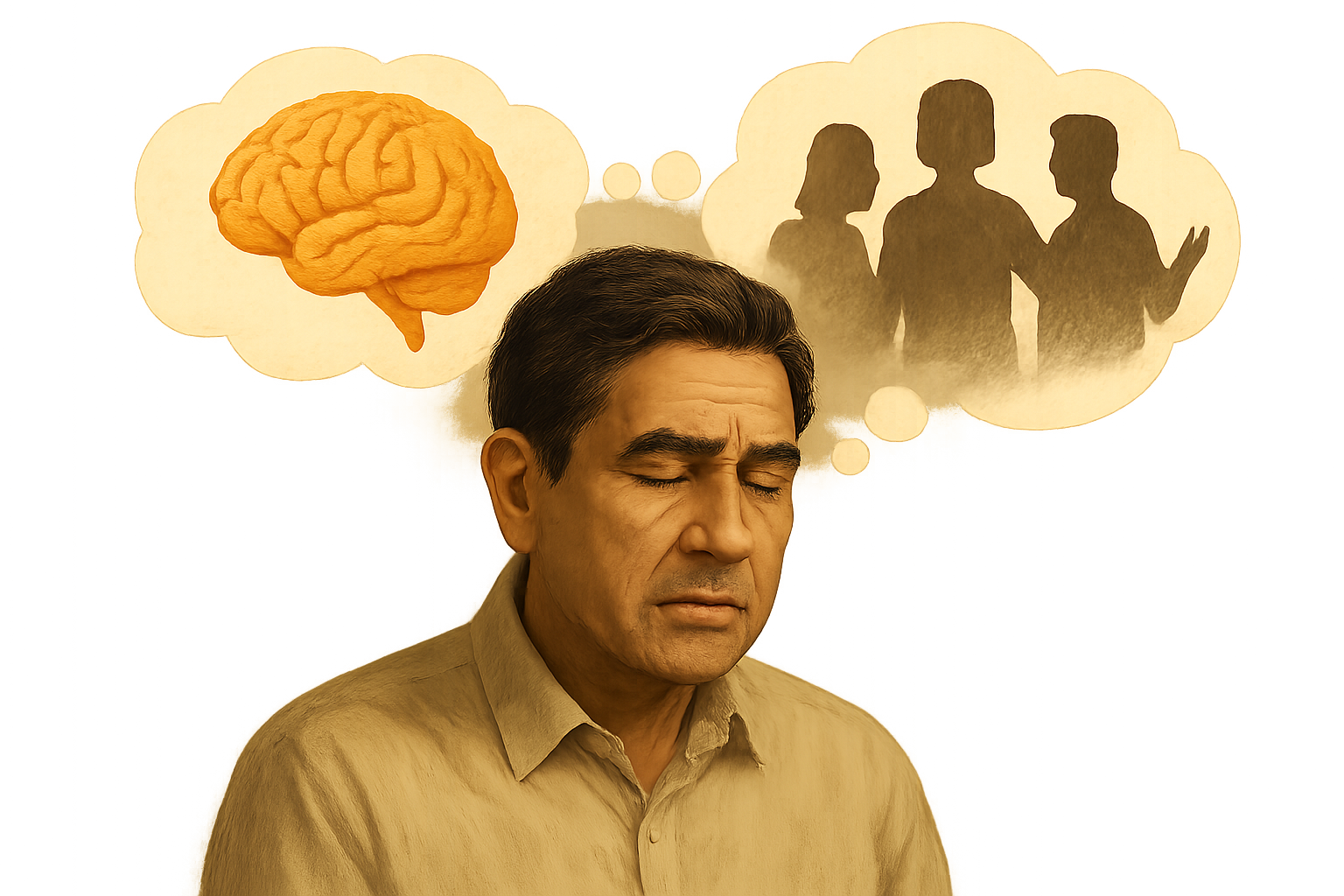
This transformation might enable older individuals to develop and express wisdom, making it easier for them to share valuable insights and practical knowledge with younger generations. Rather than merely recalling facts, the brain’s focus on broader understanding could support decision-making and guidance roles within families and communities.
Limitations and Uncertainties
The summary does not provide detailed information about how this brain shift was observed or measured, nor does it specify the mechanisms behind it. It is unclear whether this change is universal or varies significantly among individuals. Additionally, the evidence for this shift appears to be correlational, meaning it shows a relationship but does not prove cause and effect.
More research is needed to confirm how widespread and consistent this brain adaptation is and whether it directly results in increased wisdom or improved knowledge sharing. Understanding these aspects could help researchers develop better support systems for aging populations.
Source: ScienceDaily Medical
Paste the copied caption into your Instagram post. Caption links are not clickable; add the article URL to a Story link sticker or your profile link.
Open Instagram