Psychosocial interventions for parents of children treated in pediatric intensive care units (PICUs) show modest benefits in reducing symptoms of post-traumatic stress disorder (PTSD) and depression, according to an analysis of randomized trials.
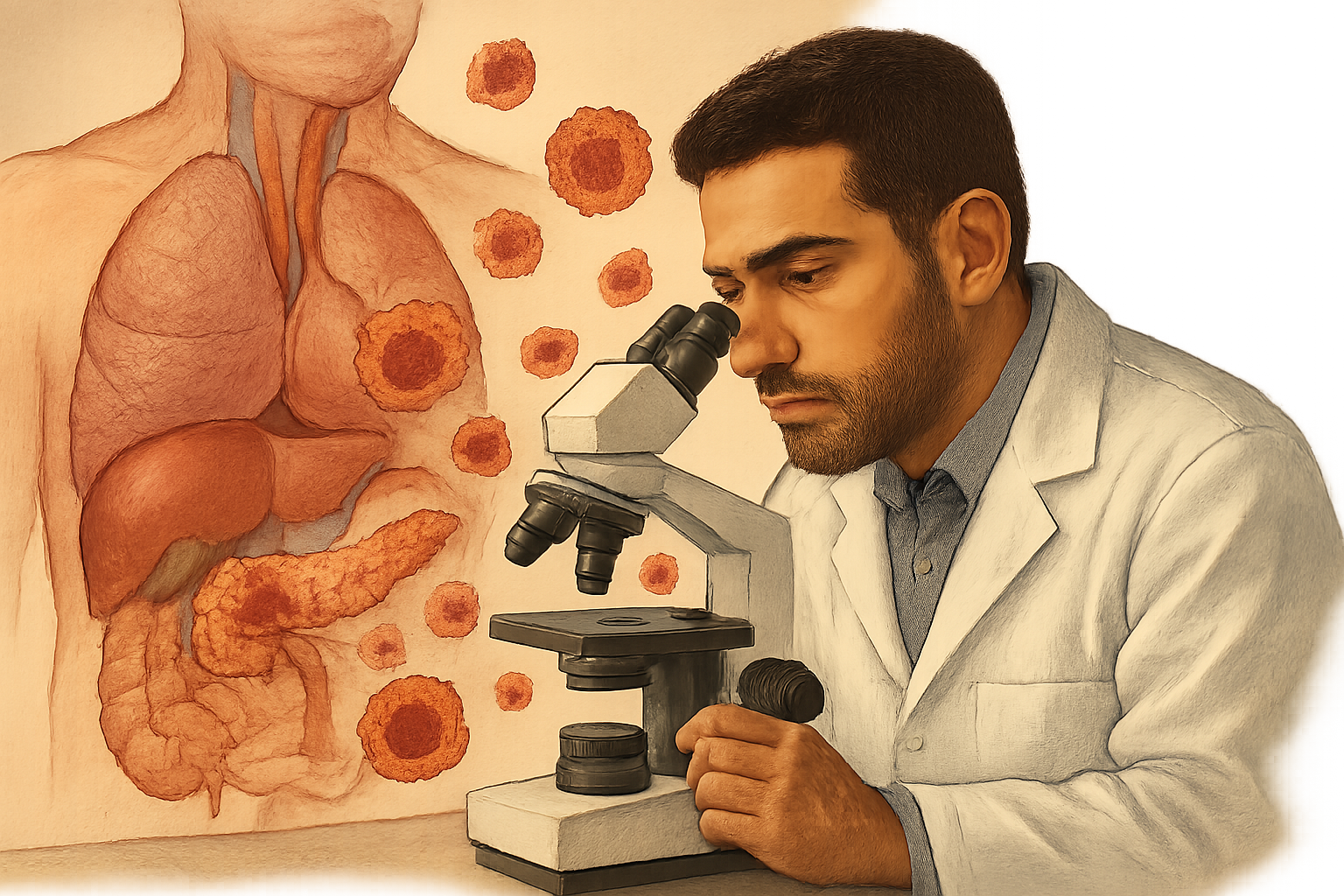
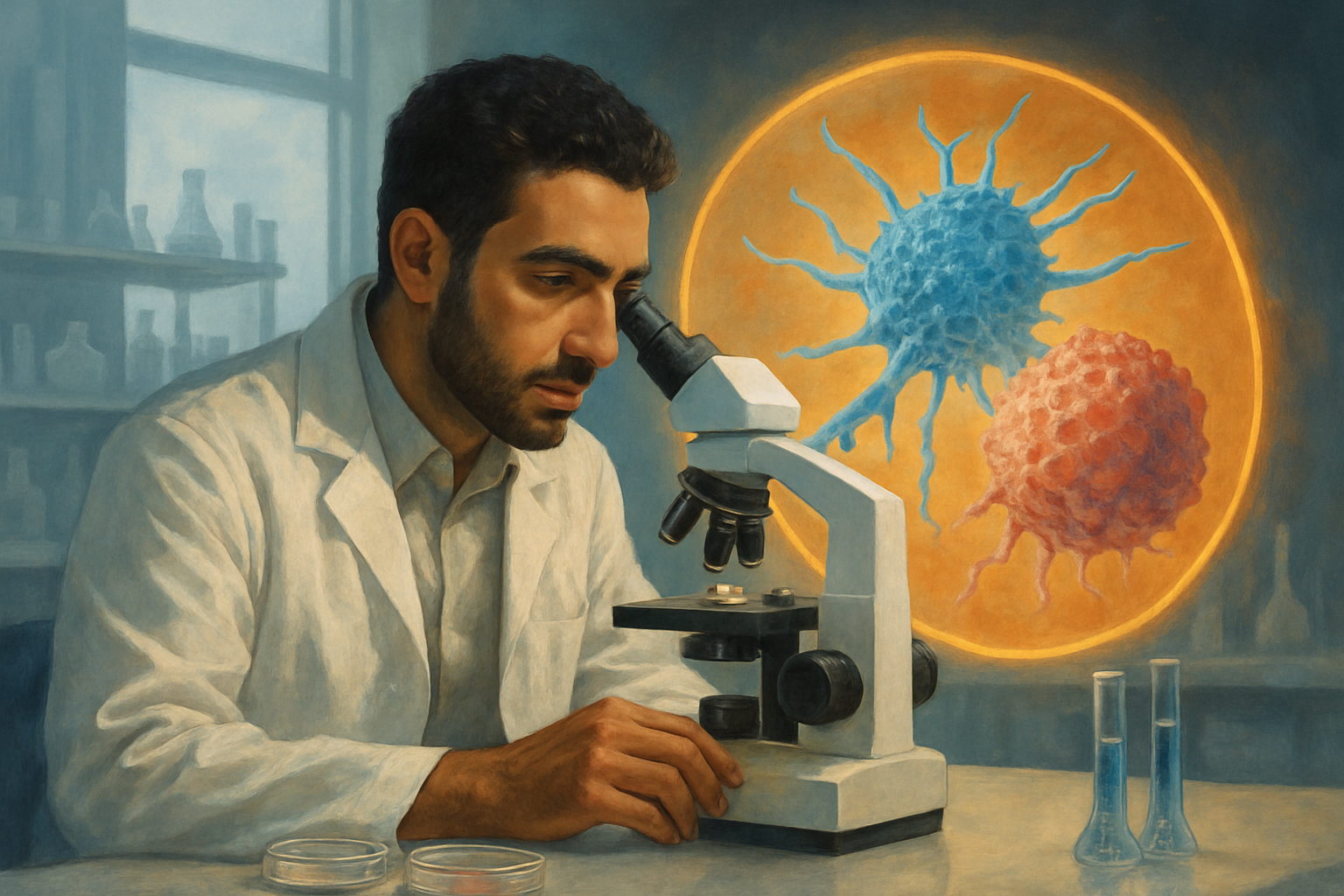
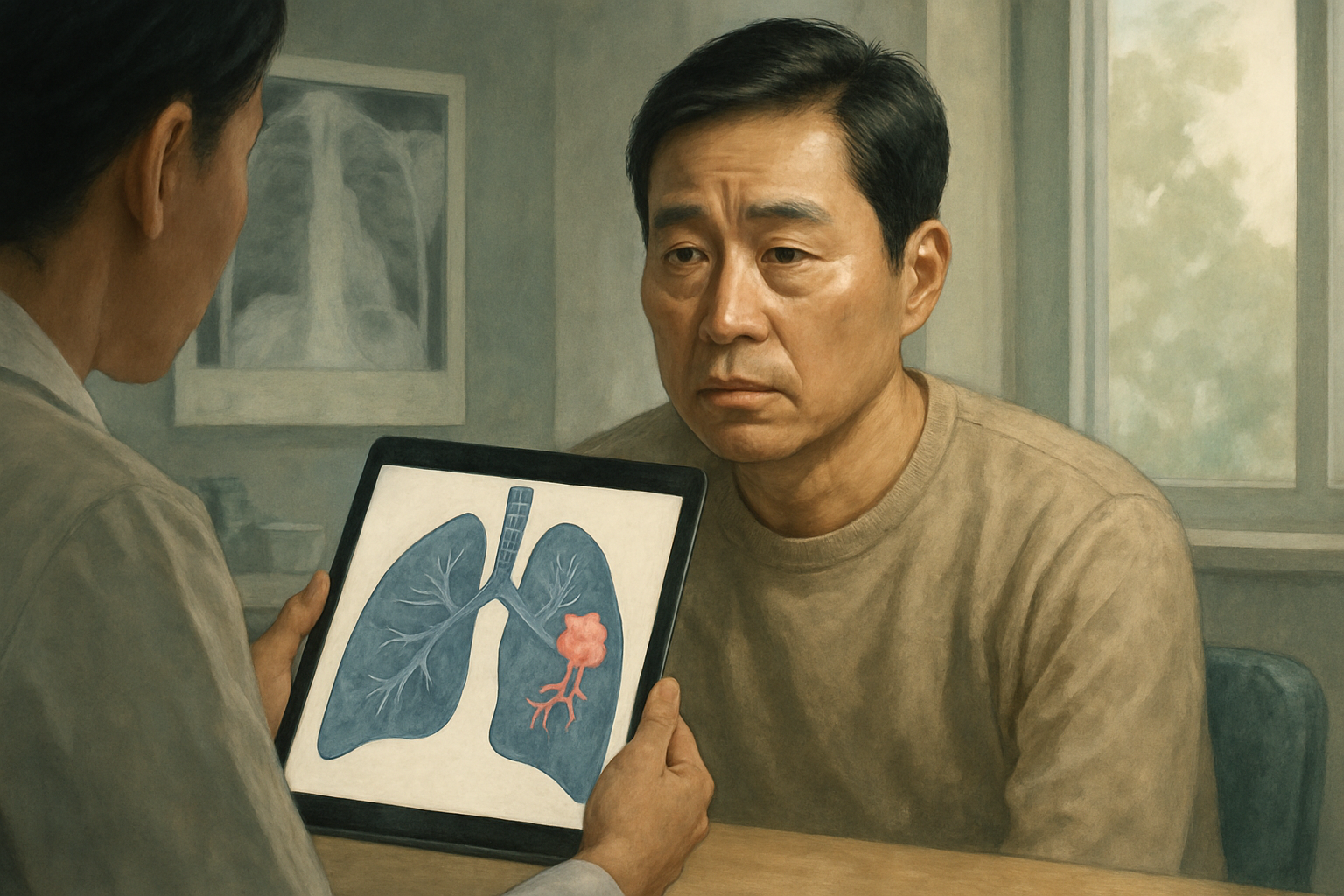
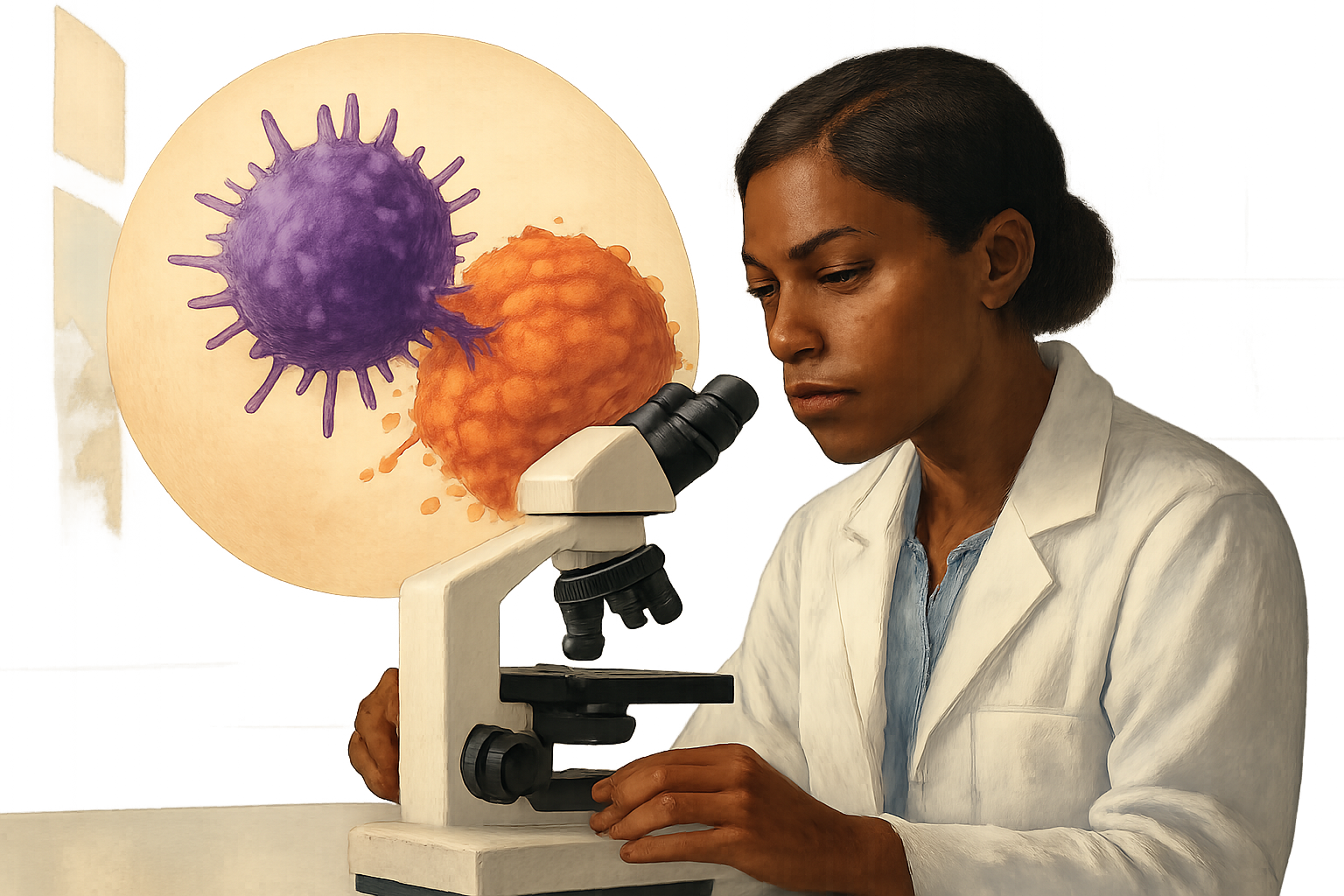
Researchers have found specialized immune cells that can identify and kill small cell lung cancer cells, even when these cancer cells evade typical immune detection.
Blood-based biomarker tests offer a promising tool to improve the identification of traumatic brain injury severity, potentially leading to better patient care.
A global research effort identified safe and effective dosing of the HIV drug dolutegravir in newborns, aiding FDA approval for treating HIV-1 from birth.
A recent clinical trial suggests that in chronic kidney disease patients, dietary intake of base-producing fruits and vegetables could better reduce metabolic acidosis than standard sodium bicarbonate treatment.
New research indicates that self-harm risk in people with ADHD is highest before starting medication, suggesting ADHD treatments do not increase this risk.
A new clinical trial suggests that the potassium binder sodium zirconium cyclosilicate (SZC) could help people on maintenance hemodialysis manage their potassium levels with less strict dietary restrictions.
New research presented at ASN Kidney Week 2026 introduces a clinical decision support tool designed to aid primary care providers in diagnosing and managing chronic kidney disease, aiming to improve patient care at the point of service.
Research from the University of California, Riverside finds that human neural stem cells, vital for brain and spinal cord development, are vulnerable to various SARS-CoV-2 variants such as omicron BA.1 and BA.2. This raises concern about possible impacts from maternal COVID-19 infection on early nervous system formation.
A new study presented at the American Academy of Ophthalmology meeting examines whether drugs called GLP-1 receptor agonists change the risk of developing age-related macular degeneration (AMD). Initial analysis suggested higher risk, but adjusting for heart and metabolic conditions reversed this finding.
Scientists have found that stopping certain proteins in a stress-related pathway can protect insulin-producing beta cells in the pancreas, offering a possible new approach to treating type 2 diabetes.
A recent study presented at the American Academy of Ophthalmology meeting suggests that patients exposed to GLP-1 receptor agonists might experience an earlier second occurrence of nonarteritic anterior ischemic optic neuropathy (NAION).
A recent study suggests that CAR T-cell therapy may lead to sustained improvements in mobility and disability for people with stiff person syndrome, with benefits lasting at least one year.
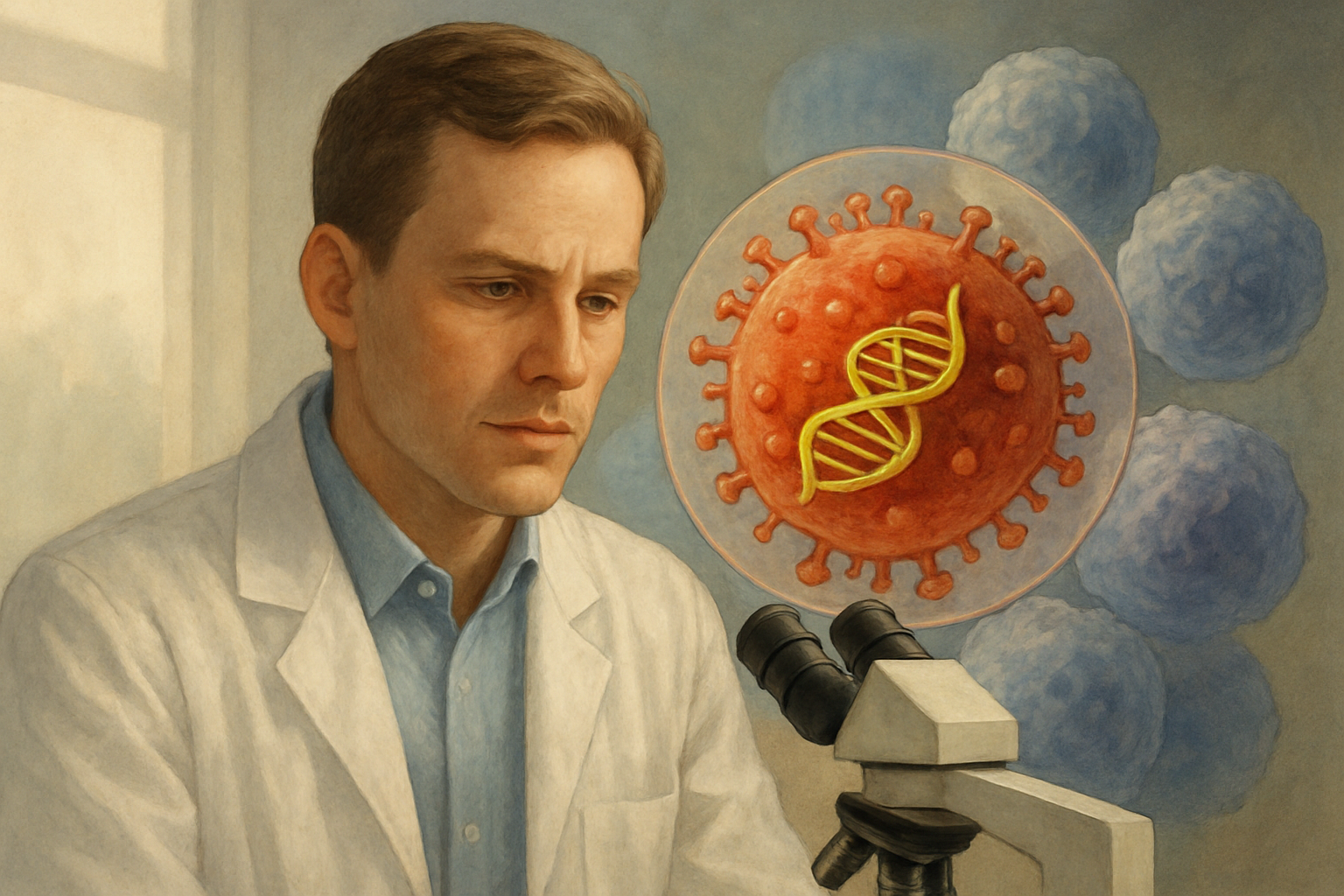
Research suggests that remnants of HIV's genetic material integrated into immune cells can change the cells' behavior, potentially helping the virus persist despite therapy.
A new study reveals that disruptions to routine vaccinations and strained health systems have led to a worldwide drop in measles immunization for young children, with measles cases rising notably since 2019.
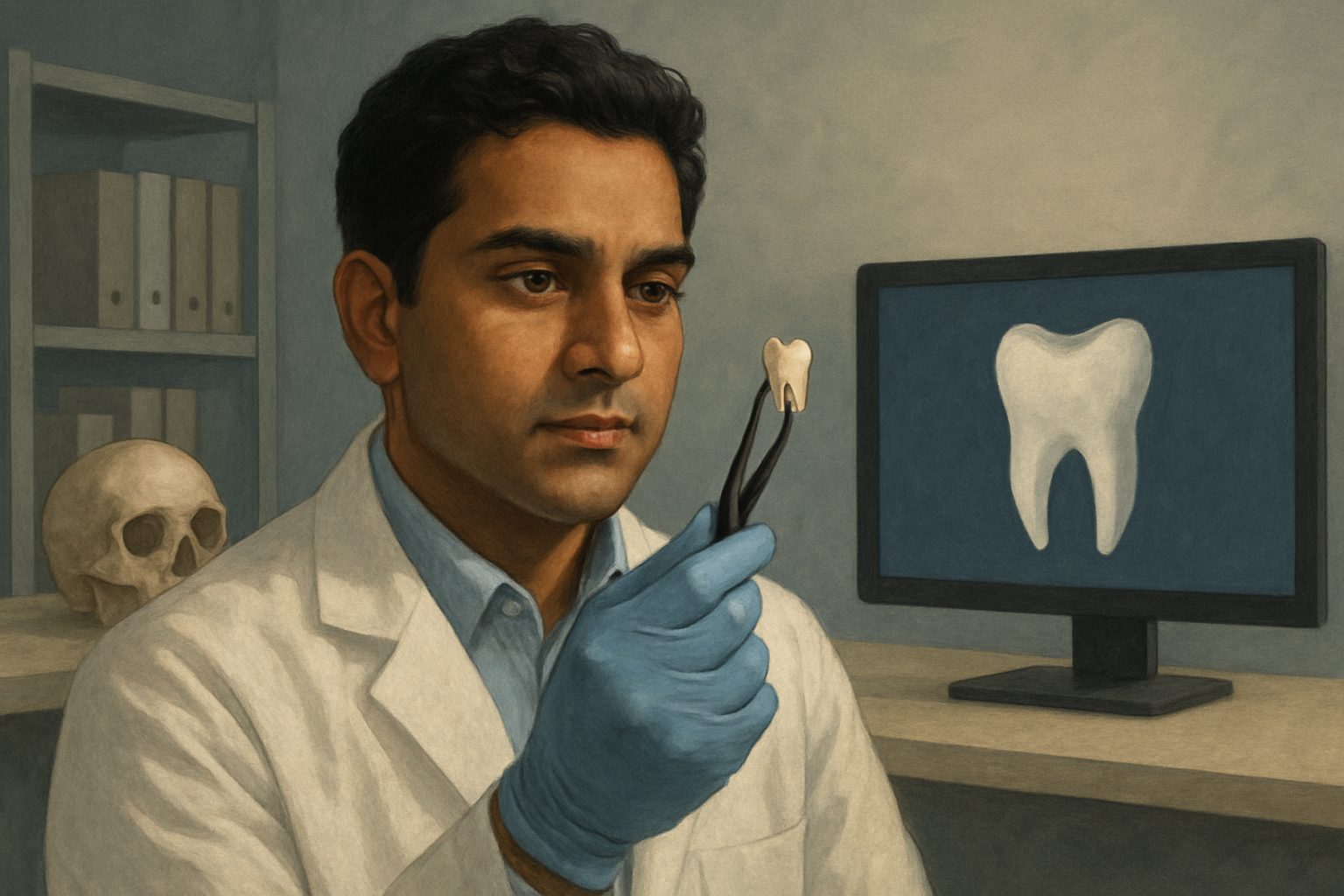
Researchers have found that a single tooth can provide multiple types of forensic information to help identify unknown human remains, even when other methods are limited.
New research suggests that combining artificial intelligence (AI) with eye tracking technology in virtual reality (VR) may eventually allow personalized treatment approaches for people with chronic pain.
Researchers have transformed blood cells from an 80-year-old donor into neural stem cells that appear molecularly younger than 20, reversing decades of cellular aging in the lab. This technique may help study age-related diseases such as Alzheimer's but is not yet a therapy.
New drugs aim to eliminate lingering 'zombie' cancer cells that survive treatment and may promote tumor resistance, while reducing harm to healthy cells.
New research highlights similarities between Freud’s old theories and today’s neuroscience discoveries about how the brain constantly predicts what will happen, affecting our perception and thoughts.
Scientists found that a mutation called H2BE113K in a DNA-packaging protein helps breast cancer cells grow and spread to the lungs, revealing possible new targets for treatment.
Researchers discovered that overactive immune cells in the brain, not just brain plaques, may cause sleep loss in Alzheimer’s. Temporarily removing these cells in mice restored over two hours of daily sleep, suggesting a new treatment target.
New research suggests that arthritis flare-ups linked to cancer immunotherapy may result from immune cells that 'remember' past inflammation and respond more aggressively, which could explain why symptoms sometimes return worse than before.
Research in mice suggests blocking certain immune cells could reduce brain damage and memory loss in Alzheimer's disease, without needing to clear toxic tau protein.
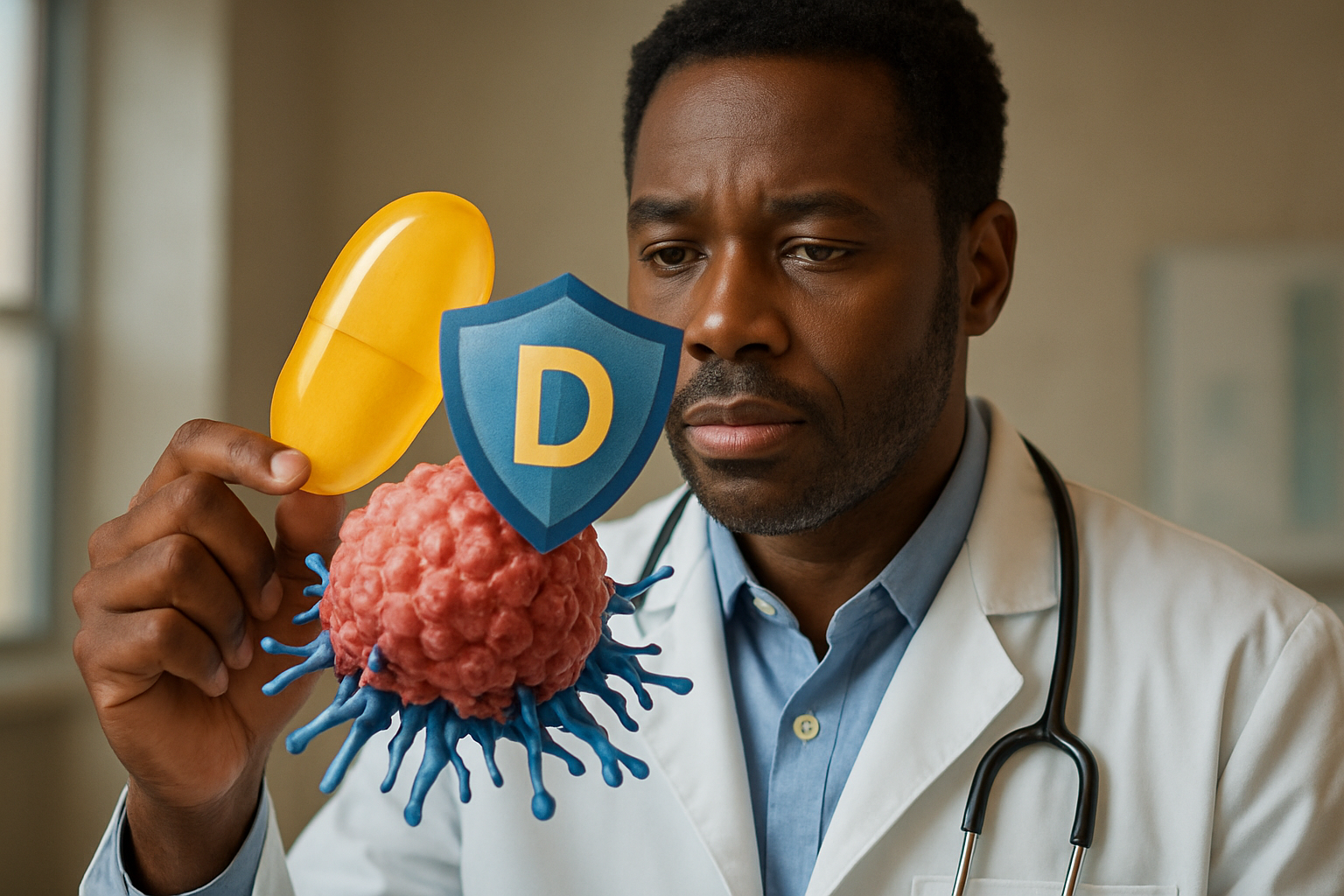
A clinical trial suggests daily vitamin C supplementation might improve survival and reduce complications in people with precancerous blood disorders and early-stage blood cancers, though more research is needed to confirm these findings.
New research suggests the aging brain might shift its focus from detailed memory to broader understanding, possibly supporting wisdom and knowledge sharing in older adults.
New research suggests that controlling high blood pressure effectively might prevent over 518,000 deaths from cardiovascular disease each year across 20 countries worldwide.
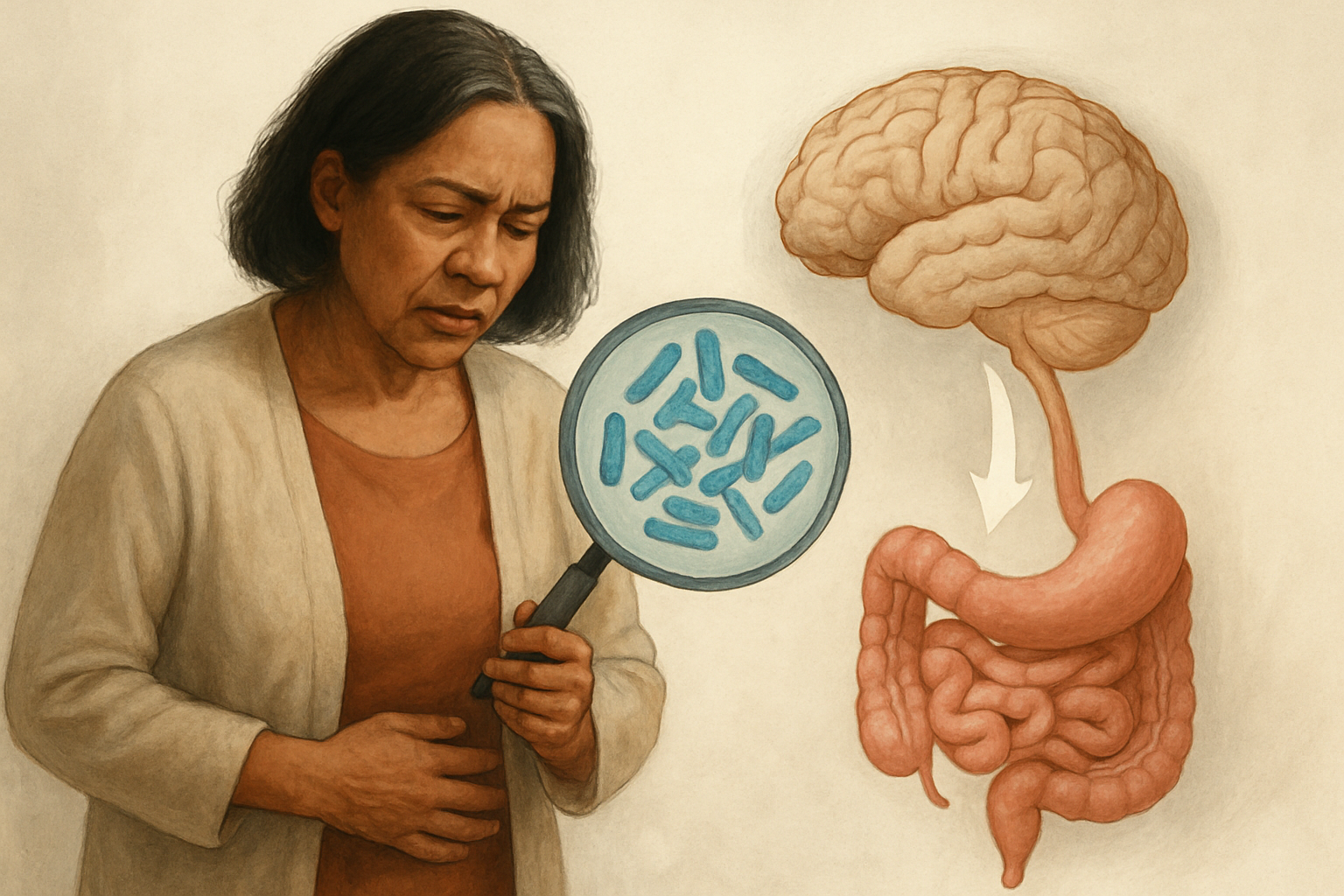
Researchers have identified a natural compound that can selectively kill harmful Clostridium difficile bacteria while preserving beneficial gut microbes, offering hope for more effective and gentler treatments for recurrent intestinal infections.
Pope Leo, aged 71, will have surgery soon to remove a lung nodule found during a routine checkup. The growth was described as "well contained" and detected early, which affects cancer risk and treatment outlook.
Scientists received the 2026 Nobel Prize for developing a method that uses light to activate or inhibit brain cells, a technique inspired by light-sensitive proteins found in algae. This breakthrough is advancing research into memory, vision restoration, and brain disorder treatments.
Scientists have developed an experimental injection that targets and destroys fat cells, leading to significant reductions in belly fat. Early findings also hint at potential benefits in preventing weight regain after stopping certain weight loss drugs.
New research suggests that walking as few as 3,000 steps daily could reduce harmful brain changes and cognitive decline linked to Alzheimer’s disease, with the greatest benefits seen at 5,000 to 7,500 steps.
Weight loss medications like Ozempic and Wegovy are associated with increased rates of nail detachment, hair loss, and scalp inflammation, beyond what weight loss alone would explain.
Research analyzing hundreds of thousands of pancreatic cancer cells reveals how these cells continuously change their genetics, helping the cancer resist treatment and spread within the body.
Scientists have found a rare genetic mutation that may protect certain individuals from developing Alzheimer’s disease, even when they carry genes usually linked to high risk. This discovery could lead to new strategies to prevent early brain damage associated with Alzheimer’s.
Reducing yard maintenance to increase natural plant diversity may enhance exposure to environmental microbes, potentially supporting immune health by improving human microbiome diversity and lowering inflammation within a few months.
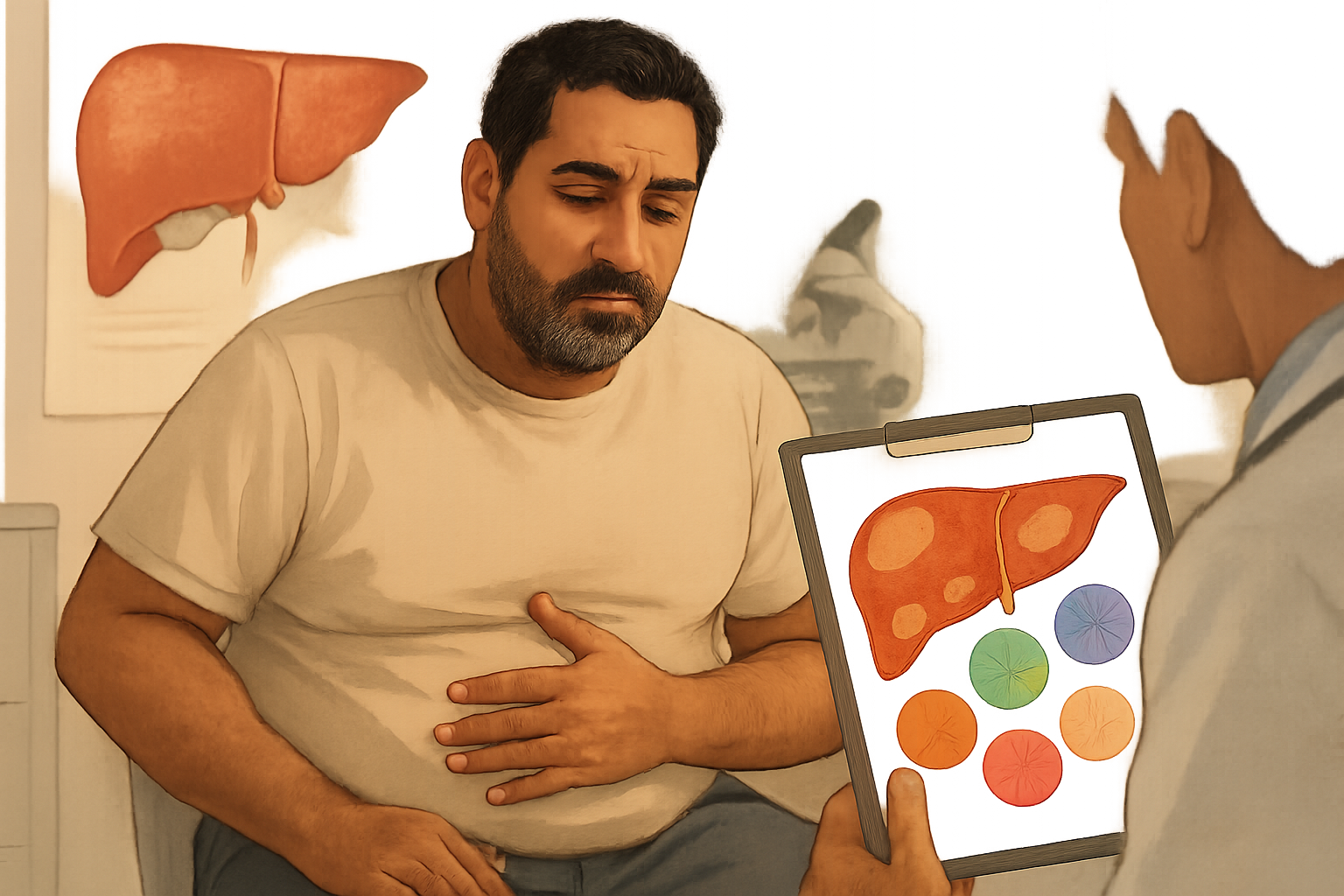
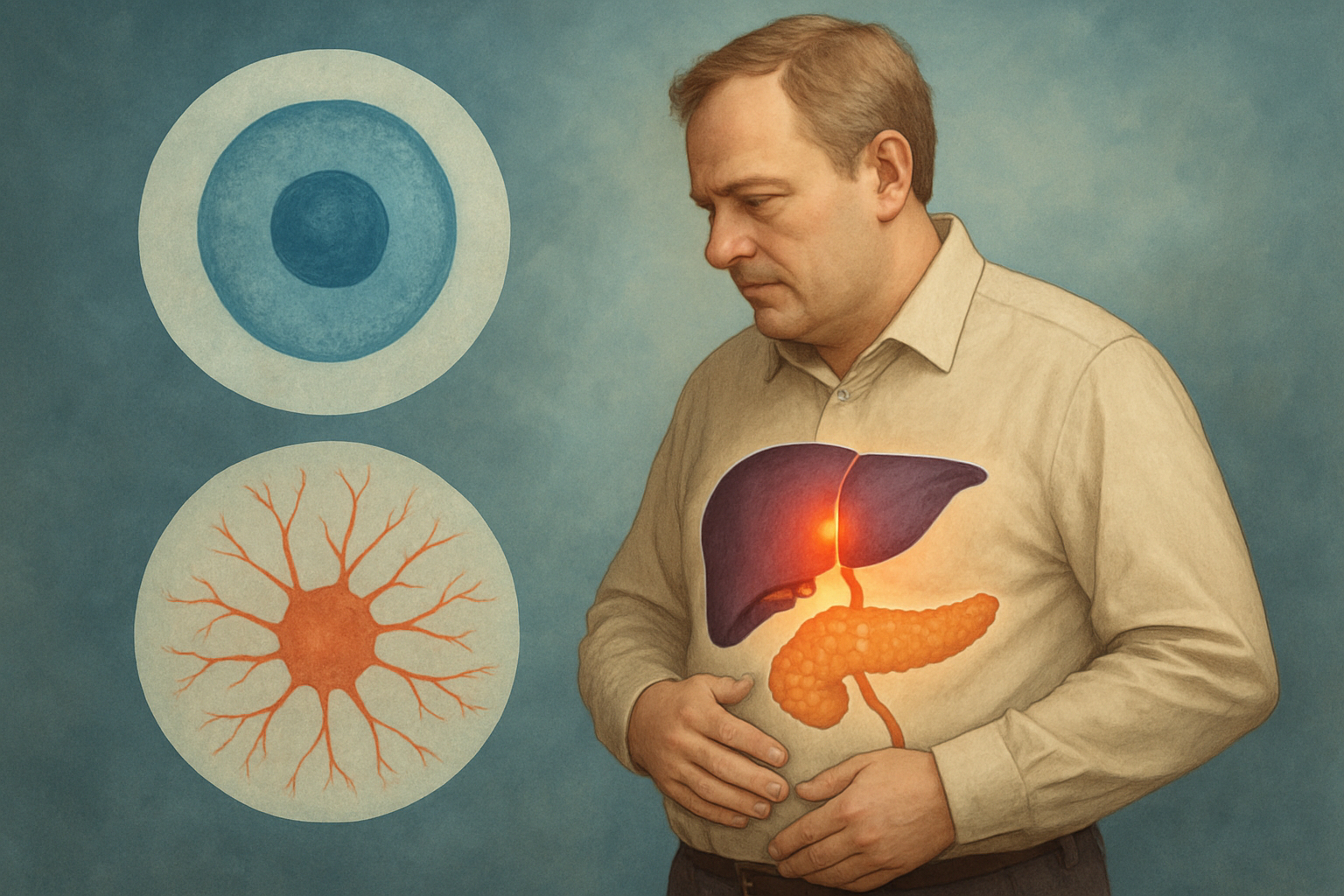
Scientists have found that fatty liver disease, which affects nearly 30% of adults globally, is not a single disease but five distinct subtypes. Each subtype may carry different risks for liver failure, cancer, heart disease, and other complications.
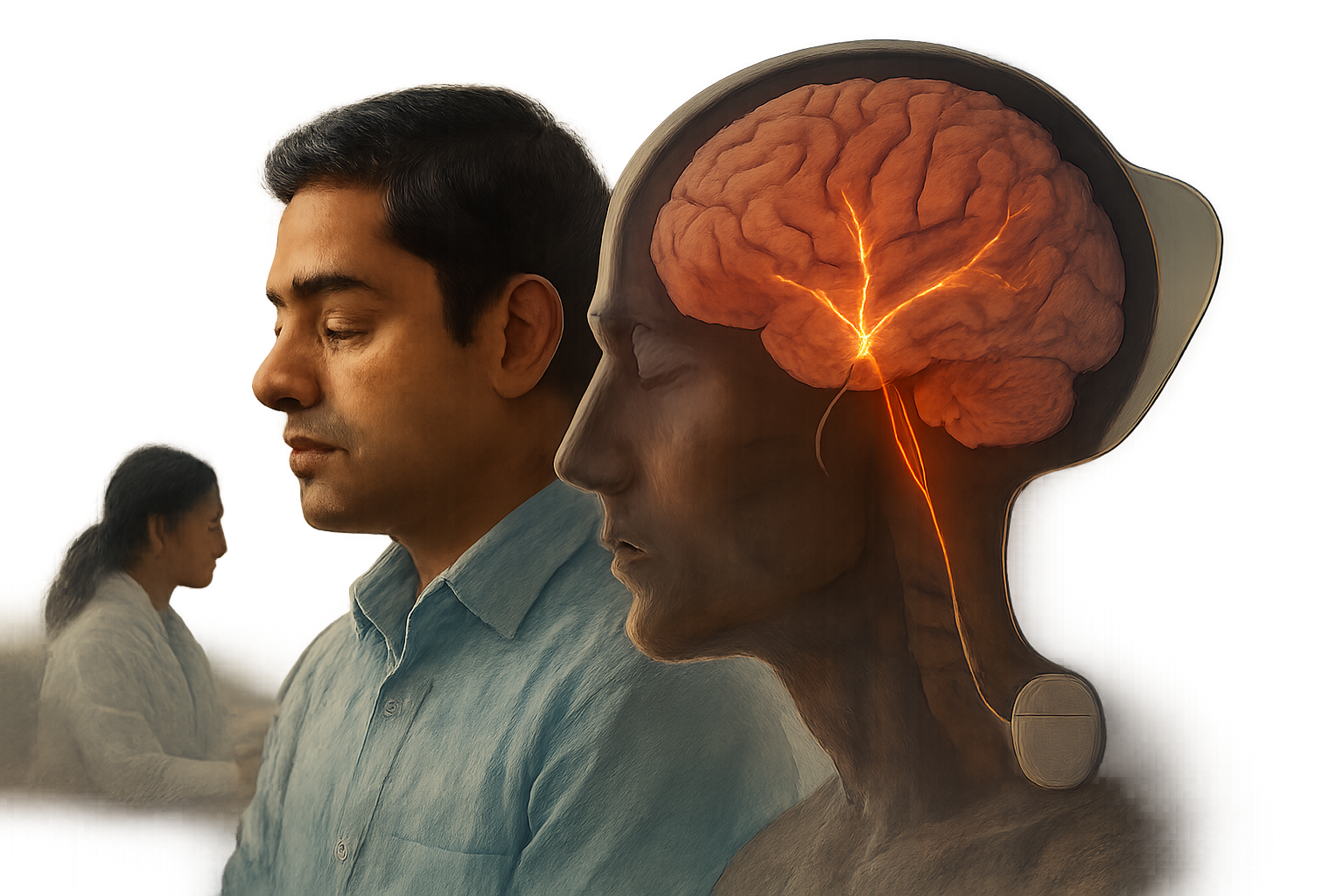
New research identifies three brain pathways associated with lasting benefits from deep brain stimulation in severe depression, highlighting the importance of precise electrode placement.
Researchers have identified a common molecular regulator that could explain how liver and pancreatic beta cell dysfunction are linked in type 2 diabetes, a condition marked by excessive glucose production and insufficient insulin secretion.
A recent discussion between a primary care physician and an obstetrician-gynecologist explores the best cervical cancer screening options for a healthy young woman aged 26.
A small study suggests daily blueberry consumption might reduce depressive symptoms and alter gut microbial enzymes in older adults, though mood improvements were not clearly better than a placebo.
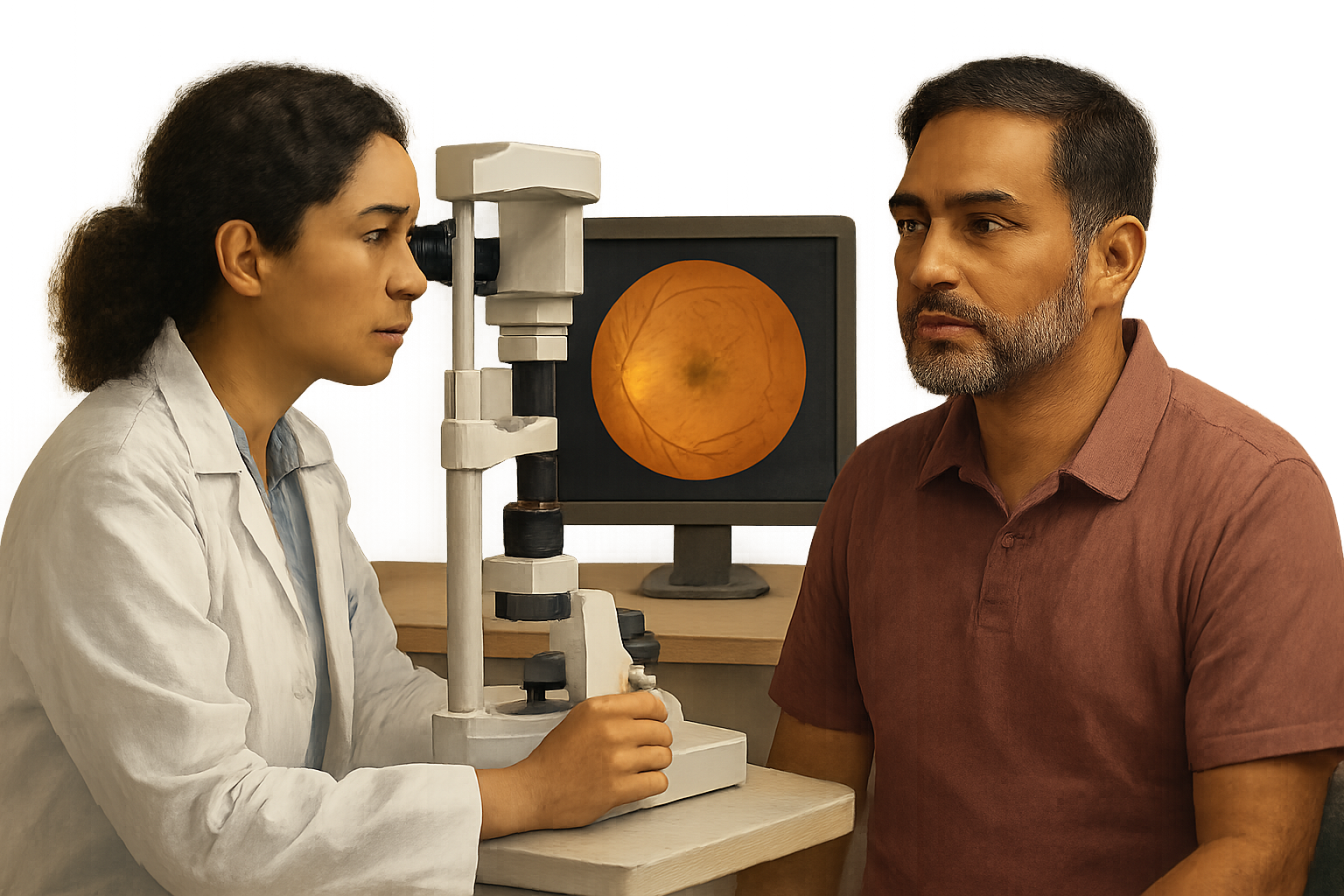
New research suggests that AI-supported screening for diabetic retinopathy can nearly double the rate at which people with diabetes attend important specialist eye follow-ups compared to standard screening methods.
Researchers have developed an artificial intelligence model that helps explain how immune cells locate tumors and why they avoid certain places. This insight could improve understanding of cancer and autoimmune conditions.
Research reveals that common mutations in tumor suppressor genes TP53 and CDKN2A may activate the immune system during the early development of oral cancer, shedding light on initial disease processes.
A large study found that people who eat the most of a rare sugar in red meat have a 63% higher risk of developing type 2 diabetes, possibly due to inflammation.
New research in mice shows that male and female skin stem cells behave differently during repair, with female cells working more collaboratively. This finding may help explain why wounds heal faster in females.
A human brain imaging study shows that ketamine’s pain relief operates separately from its dissociative effects, suggesting new avenues to reduce side effects while maintaining benefits.
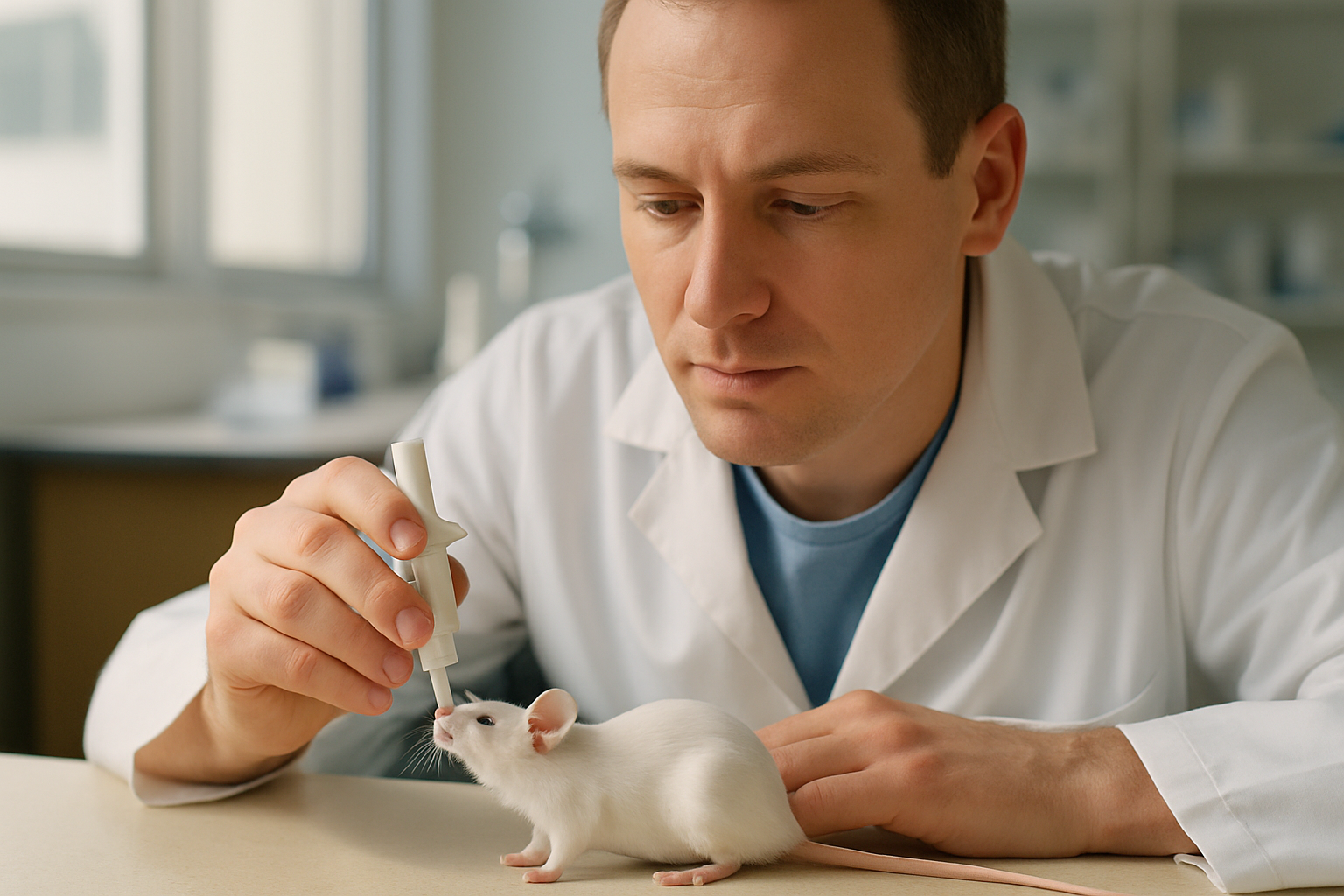
A nasal vaccine additive helped mice survive flu infection even 100 days after treatment, suggesting temporary strengthening of natural defenses without targeting a specific virus.
Retatrutide, an experimental once-weekly injection that targets three hormone receptors, has shown significant weight loss benefits for people with type 2 diabetes in a recent Phase III clinical trial. This triple-action approach sets it apart from current drugs that target fewer receptors.
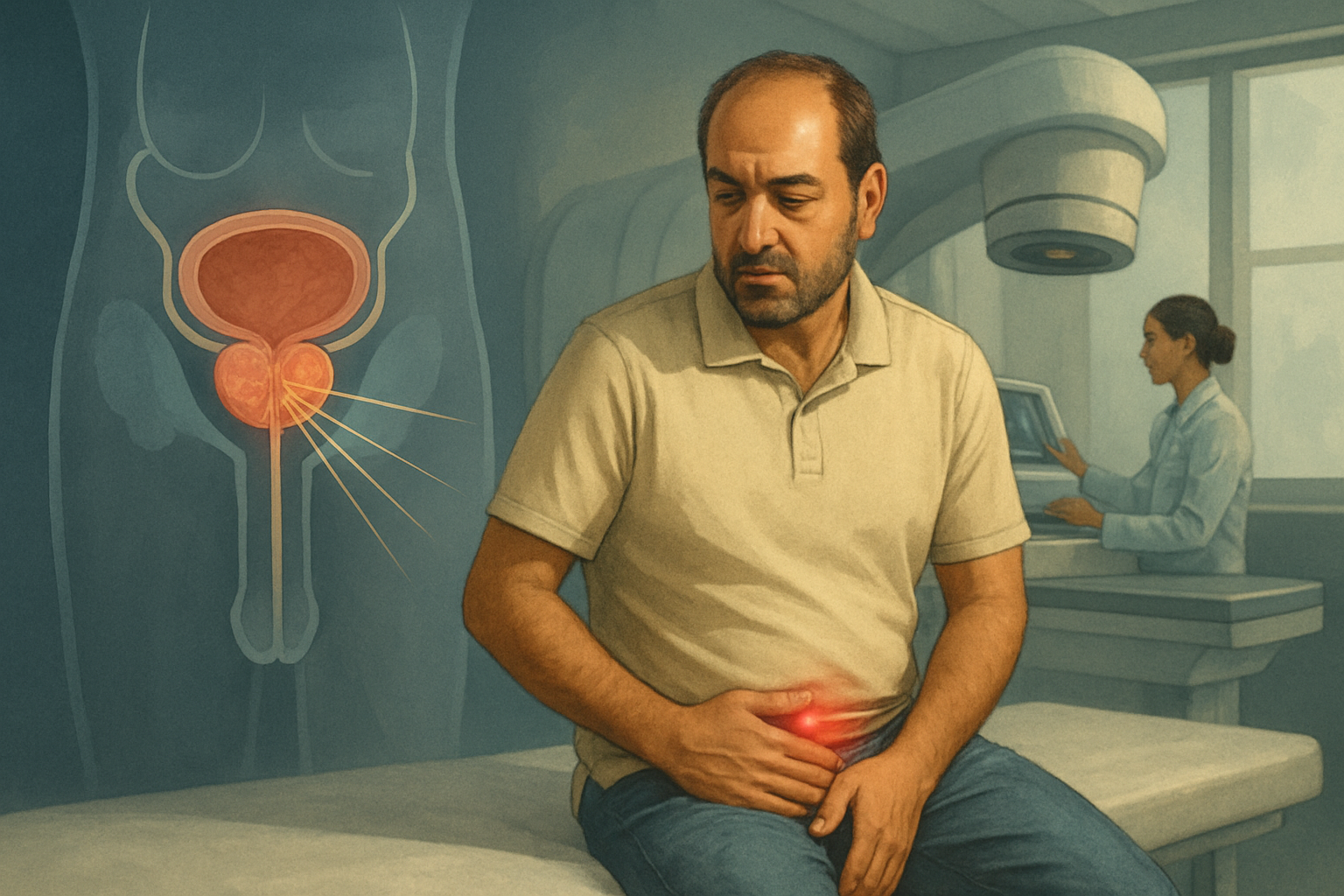
A new study suggests that combining a targeted radioactive drug with radiation therapy may help control recurrent prostate cancer for a longer time compared to radiation alone.
New research reveals a two-way relationship between deep sleep and growth hormone, showing how the brain balances recovery and wakefulness, with implications for metabolism and brain health.
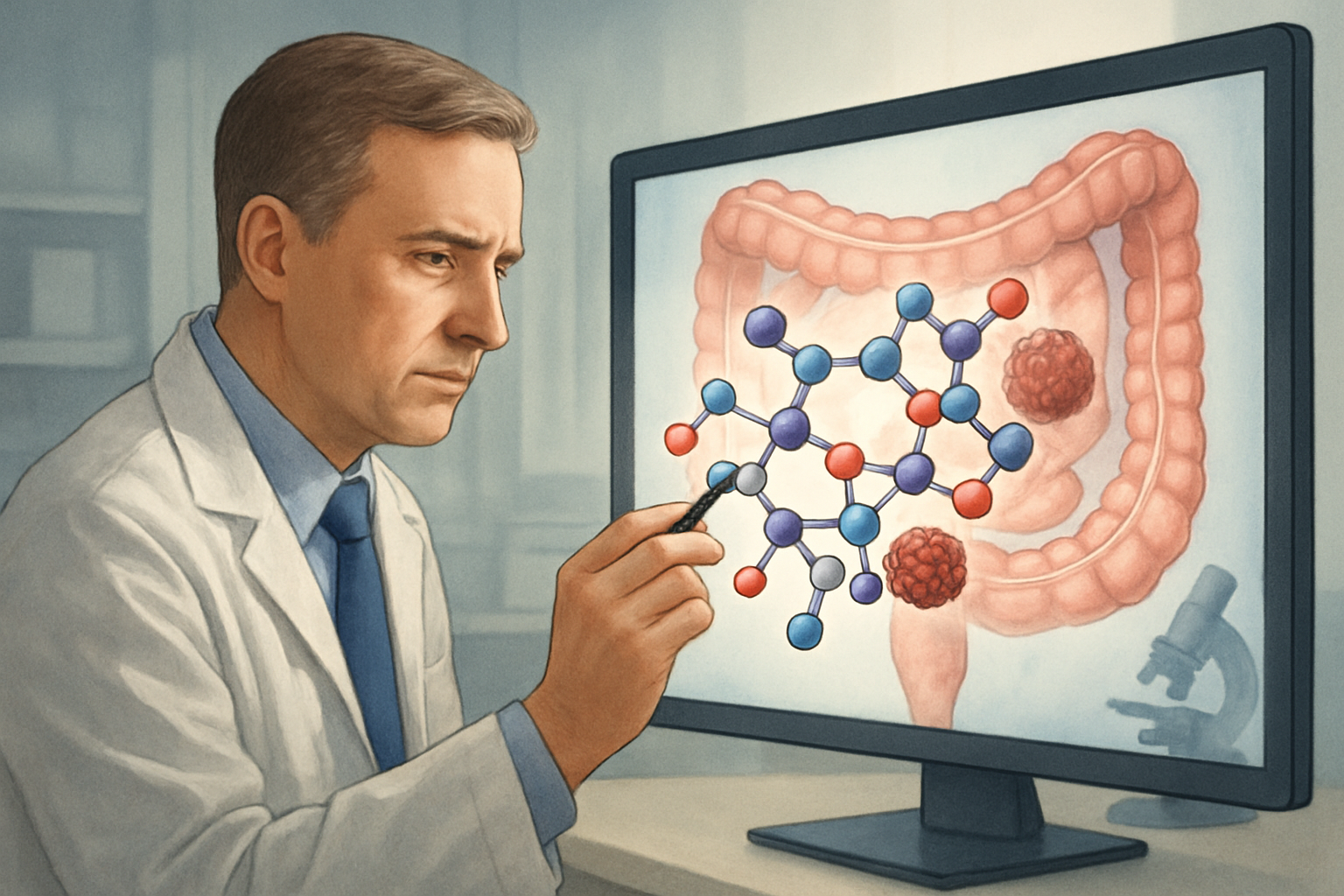
A new study by researchers from Hokkaido University and an international team challenges longstanding beliefs about immune evasion in metastatic colorectal cancer, potentially opening new paths for therapy.
A study suggests that older adults with fatty liver disease who received GLP-1-based treatment had lower risks of liver-related complications, hospitalization, and death compared to those without this treatment.
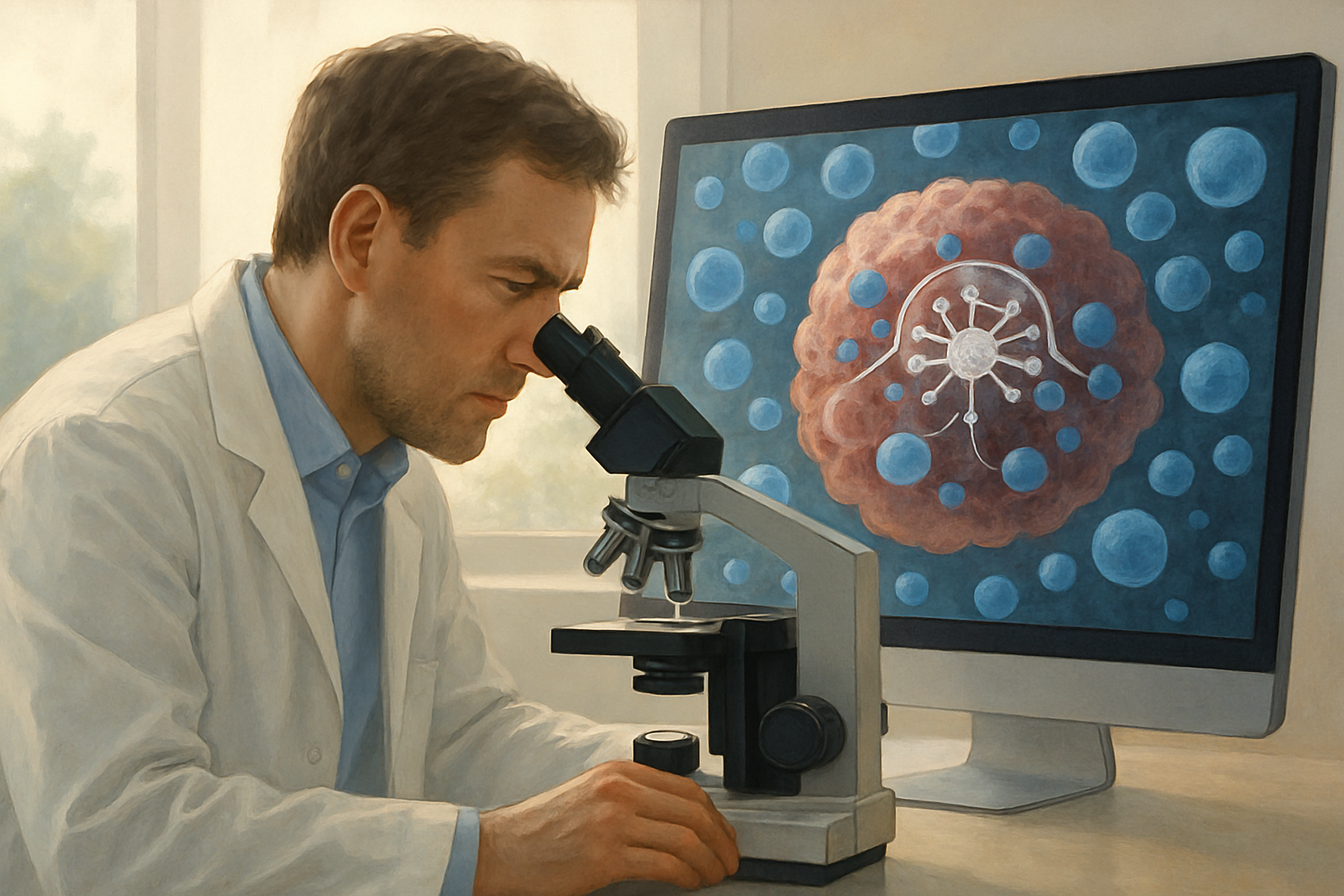
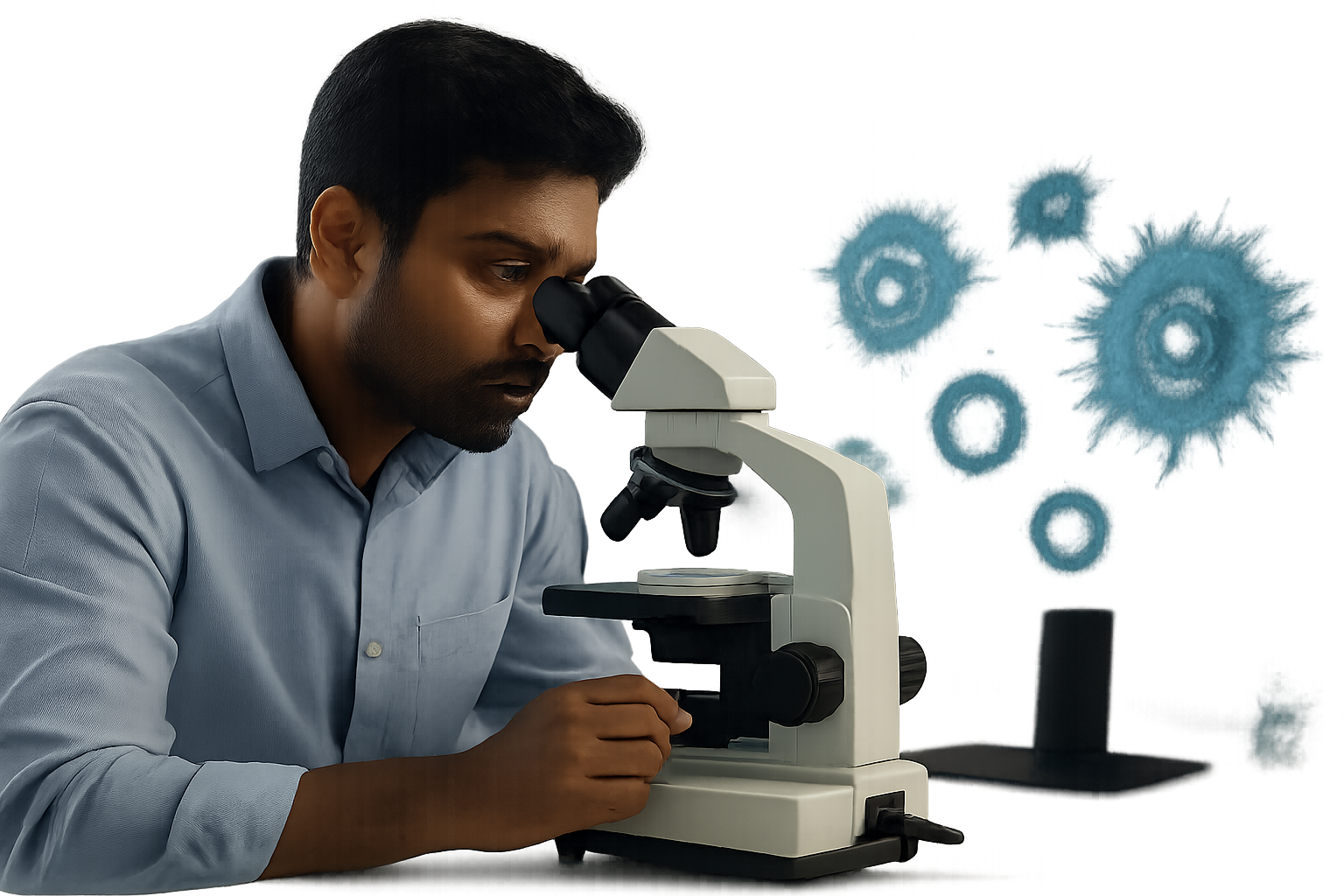
Researchers at Stanford have created a new type of microscope that lets scientists see living cells in real time without using fluorescent labels, potentially offering clearer insights into diseases and drug effects.
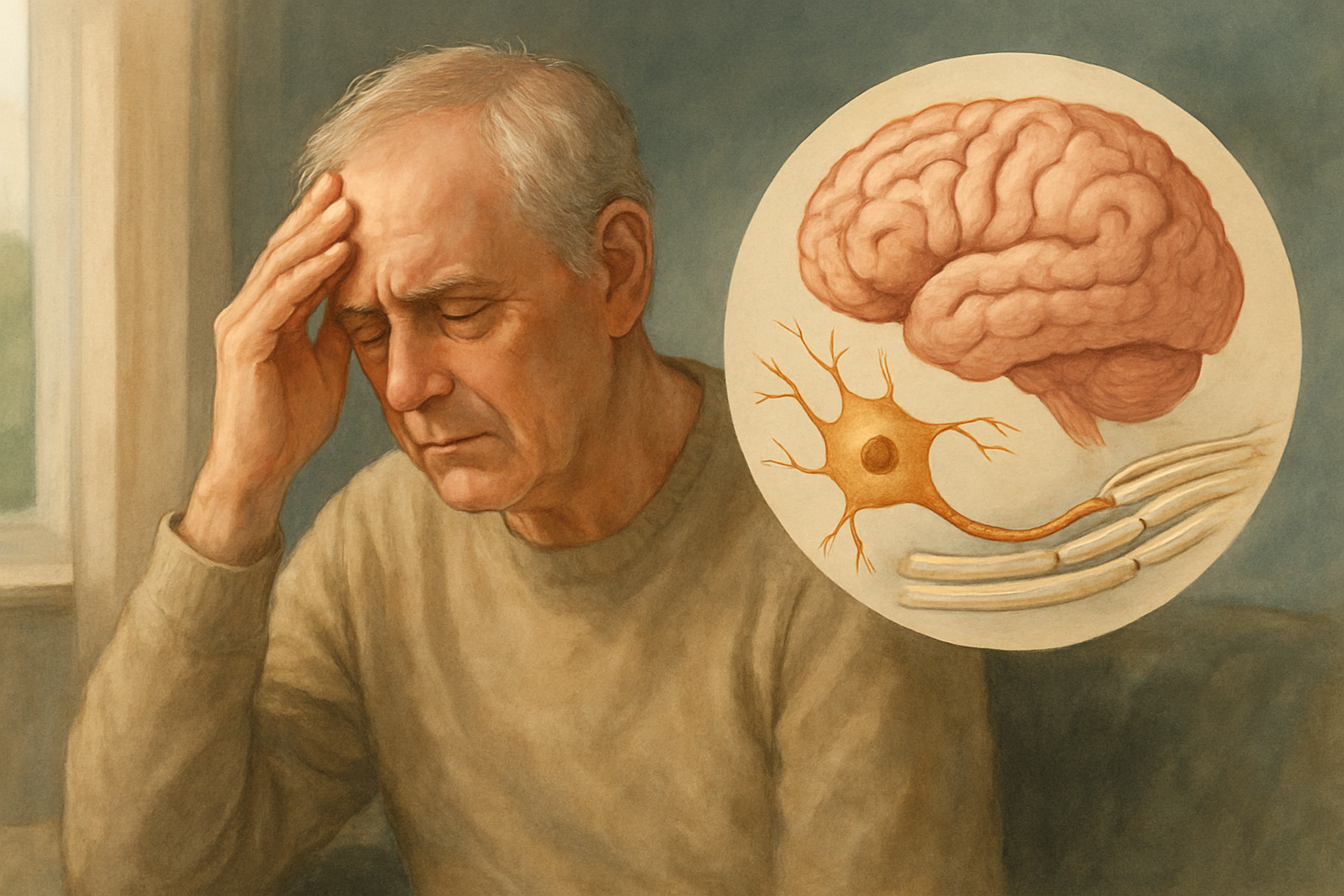
New research suggests that brain cells known for their protective role might actually contribute to age-related cognitive decline by producing excessive myelin, which disrupts nerve fibers and could impair memory and thinking.
Researchers have found that a potential drug can reverse fatty liver disease in animal studies by improving gut health and preventing toxic substances from damaging the liver. This discovery may lead to new treatments for liver and heart conditions, although research in humans is needed.
A recent study highlights how interventional radiologists deliver effective, cost-efficient care for primary and secondary liver cancer patients, offering an important treatment option distinct from other medical specialties.
A new AI-based system allows epilepsy patients to interact directly with their monitoring devices through a smartphone app, leading to more accurate seizure detection and fewer false alarms.
Repeatedly losing and regaining weight, known as yo-yo dieting, may carry different health risks depending on whether a person starts at a normal weight or with obesity. New expert analysis suggests that weight cycling might be less harmful for those with obesity but could increase obesity risk in people who begin at a normal weight.
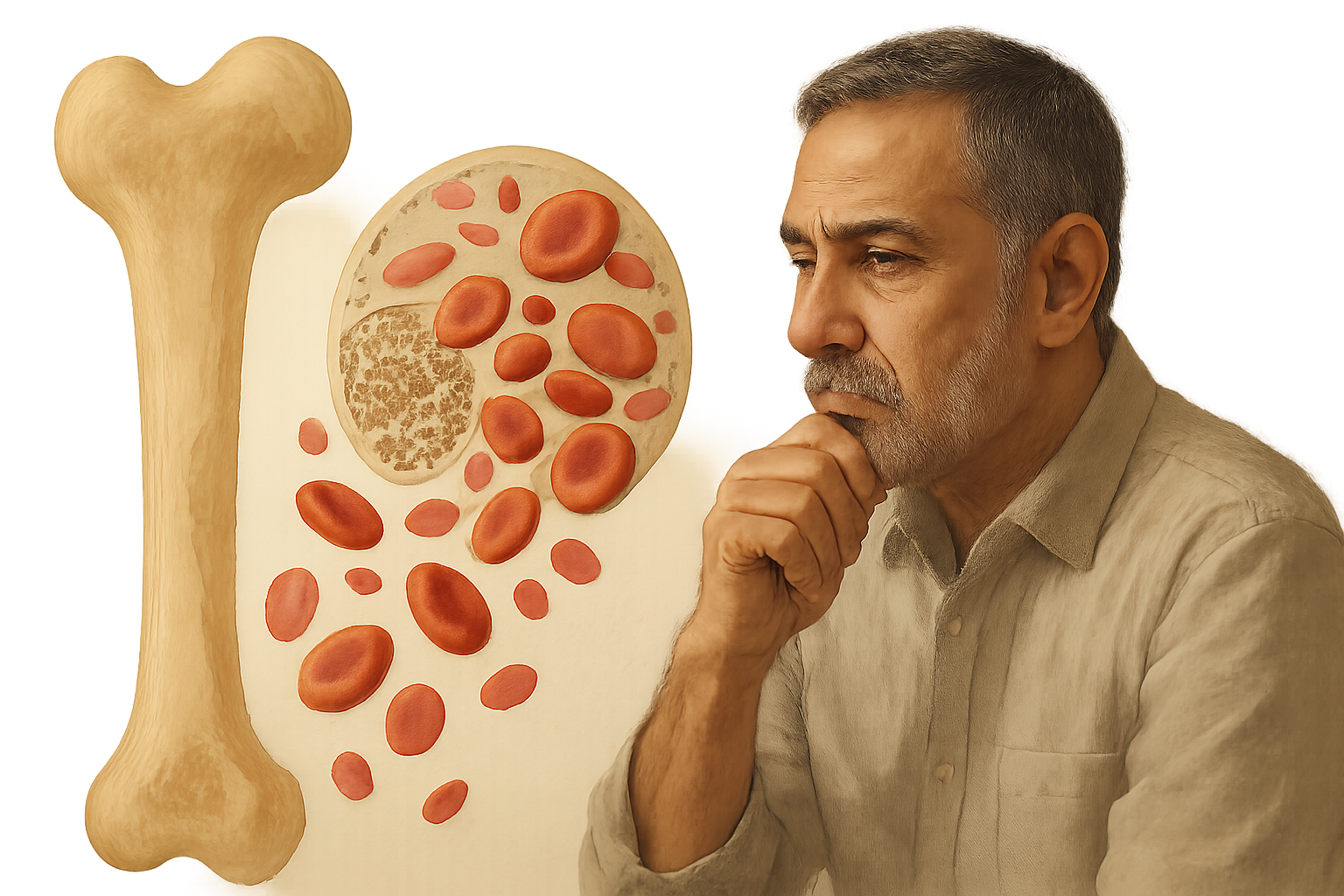
Research into myelodysplastic syndromes (MDS), a blood and bone marrow disorder mainly affecting older adults, reveals that impaired blood formation in the bone marrow is associated with bone health issues that have not been well studied before.
Volunteering and informal helping outside the home may slow memory and thinking decline in people with a major genetic risk for Alzheimer's disease, new research suggests.
Advances in genetic studies reveal additional DNA switches that influence gene activity, offering deeper insight into complex traits like breast cancer and diabetes.
Researchers found that activating the protein PPARD in immune cells can enhance their fat-burning ability and improve their capacity to attack tumors in lab studies, showing promise against multiple cancer types.
Researchers at USC have created a system that may enable a renewable supply of genetically engineered immune cells to fight cancer by modifying immature immune cells to continuously produce tumor-targeting cells.
Research suggests diabetes and weight loss drugs Ozempic and Wegovy may slightly increase the risk of a rare sudden vision loss condition, highlighting a need for awareness amid their widespread use.
New guidelines from the American Academy of Otolaryngology provide recommendations to help clinicians tailor tinnitus care based on individual patient needs, addressing a condition that affects over 50 million people in the US.
A large international study shows that blood biomarkers can effectively indicate brain amyloid levels, a key factor in Alzheimer's disease, with similar accuracy across different racial groups.
Stroke rates among adults aged 20 to 54 have almost doubled over nearly 30 years. Blocked brain blood vessels and rising health risks like high blood pressure, diabetes, and substance use are contributing factors. While survival has improved, more young adults may face lasting stroke impacts.
Researchers have developed a novel coating for mitochondria aimed at preserving their energy-producing function, a step that might one day help treat diseases related to mitochondrial damage. However, its success in actual mitochondrial transplantation has not yet been demonstrated.
Researchers examined an Alzheimer's patient's brain and found areas without amyloid plaques had much less harmful tau protein buildup, suggesting amyloid removal might protect against memory loss.
New research shows that very small cancer cells with extra chromosomes may grow faster and resist treatment, potentially making some tumors more aggressive.
A rare medical case in India involved a 16-year-old boy who had a fully formed canine tooth grow inside his left eye socket, a condition known as an ectopic tooth.
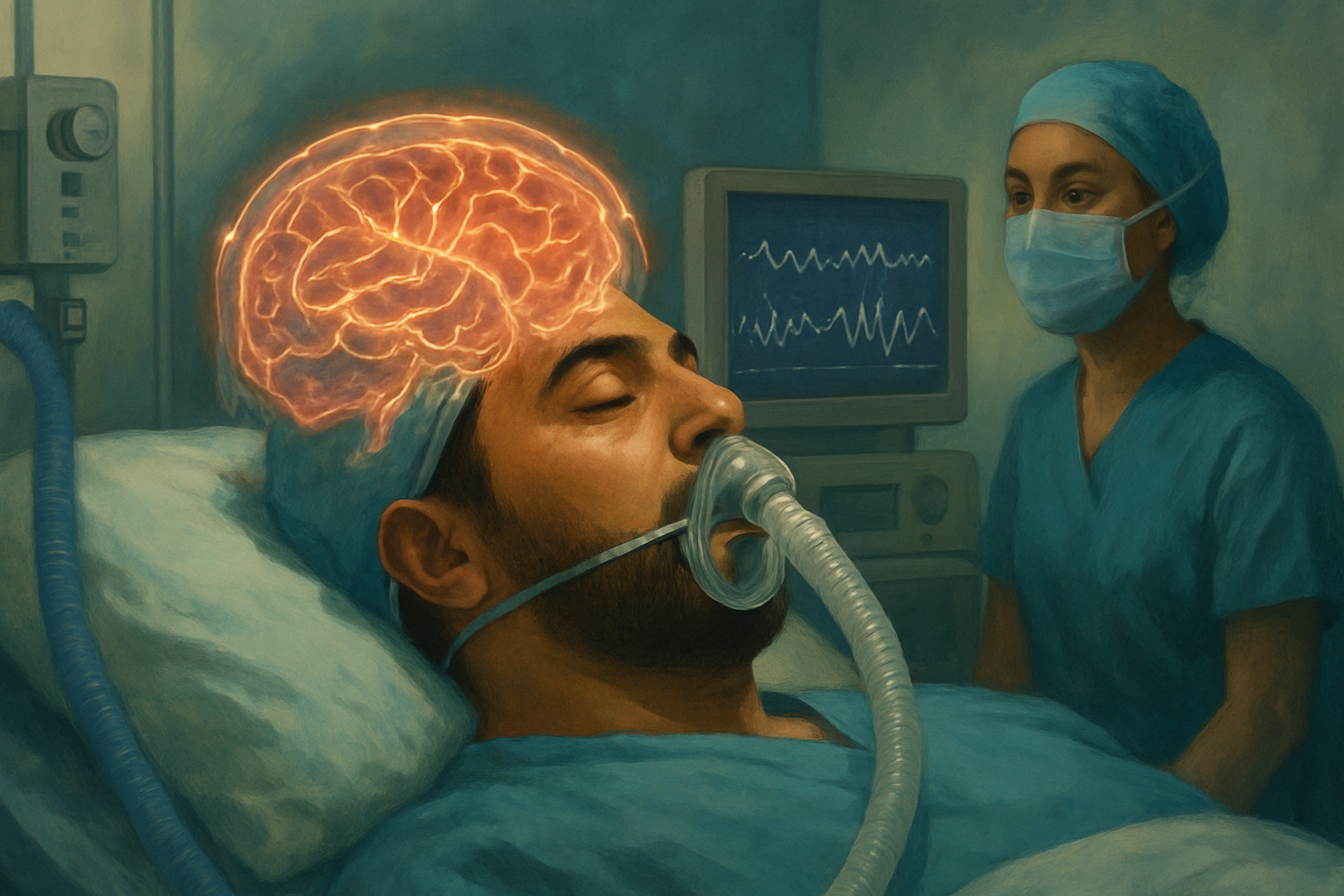
Research from Baylor University shows the brain can process language and predict story elements even under general anesthesia, raising new questions about unconscious brain function.
Researchers at UCLA have discovered new insights into how the immune system might be better activated to fight glioblastoma, a type of aggressive brain cancer. These findings help explain why immunotherapy has struggled against this cancer in the past.
A new study using EEG shows that reading books, playing, and solving puzzles with toddlers stimulates their brain activity in ways that screen time does not.
A recent study suggests that carefully reducing doses of certain rheumatoid arthritis drugs in patients with low disease activity is almost as effective in controlling the disease as continuing full treatment over six months.
A Phase I trial led by Ohio State University reports encouraging early results using an enhanced CAR T-cell therapy for patients with relapsed or treatment-resistant B-cell cancers, offering potential improvements in treatment options.
The World Health Organization's vaccine experts have advised countries to consider routine HPV vaccination for girls as young as 4 years old, aiming to improve vaccine coverage where rates have been low.
Scientists at the Children's Hospital of Philadelphia have identified how newly discovered changes in a gene contribute to symptoms of a neurodevelopmental disorder, highlighting a key biological pathway involved in brain development.
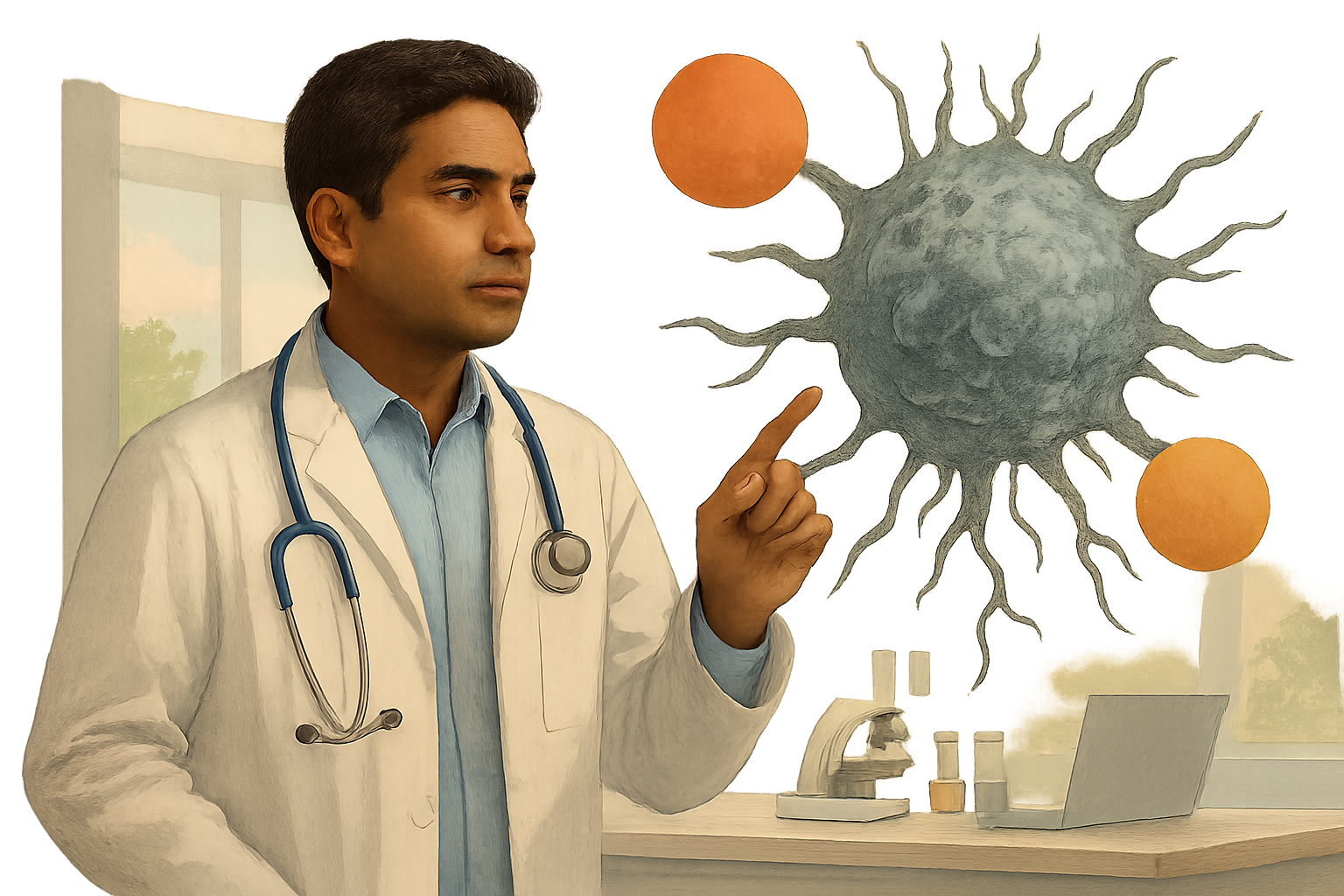
Recent research uncovers the complex roles of various immune cells working together to protect the body from infections, cancer, and toxins, highlighting how the immune system balances defense and repair.
The World Health Organization (WHO) announced that the first clinical trial of an Ebola vaccine in the Democratic Republic of Congo (DR Congo) is planned to start by the end of October.
Researchers at UC Santa Cruz highlight a peptide called P3 that could contribute to Alzheimer’s disease by forming harmful protein clumps faster than amyloid beta, challenging long-held assumptions and opening new areas for study.
Research from England shows several cancers are becoming more common in younger adults despite improvements in known risk factors. Excess weight only partially explains the trend, leaving other causes under investigation.
Research shows that ovaries continue to remodel and show biological activity decades after menopause, challenging the belief they become inactive. This ongoing activity includes inflammation and tissue changes, which may relate to ovarian cancer risk.
Chronic stress in pregnancy affects placental biological signals, which might influence fetal brain development and raise risks for childhood brain and mental health disorders.
A new engineered vaccine shows promise in protecting against Zika virus without increasing the risk of severe dengue, according to research in a nonhuman primate model.
Epstein-Barr virus (EBV), a common herpesvirus infecting most people, can stay dormant for life but may contribute to some cancers by altering cell repair processes.
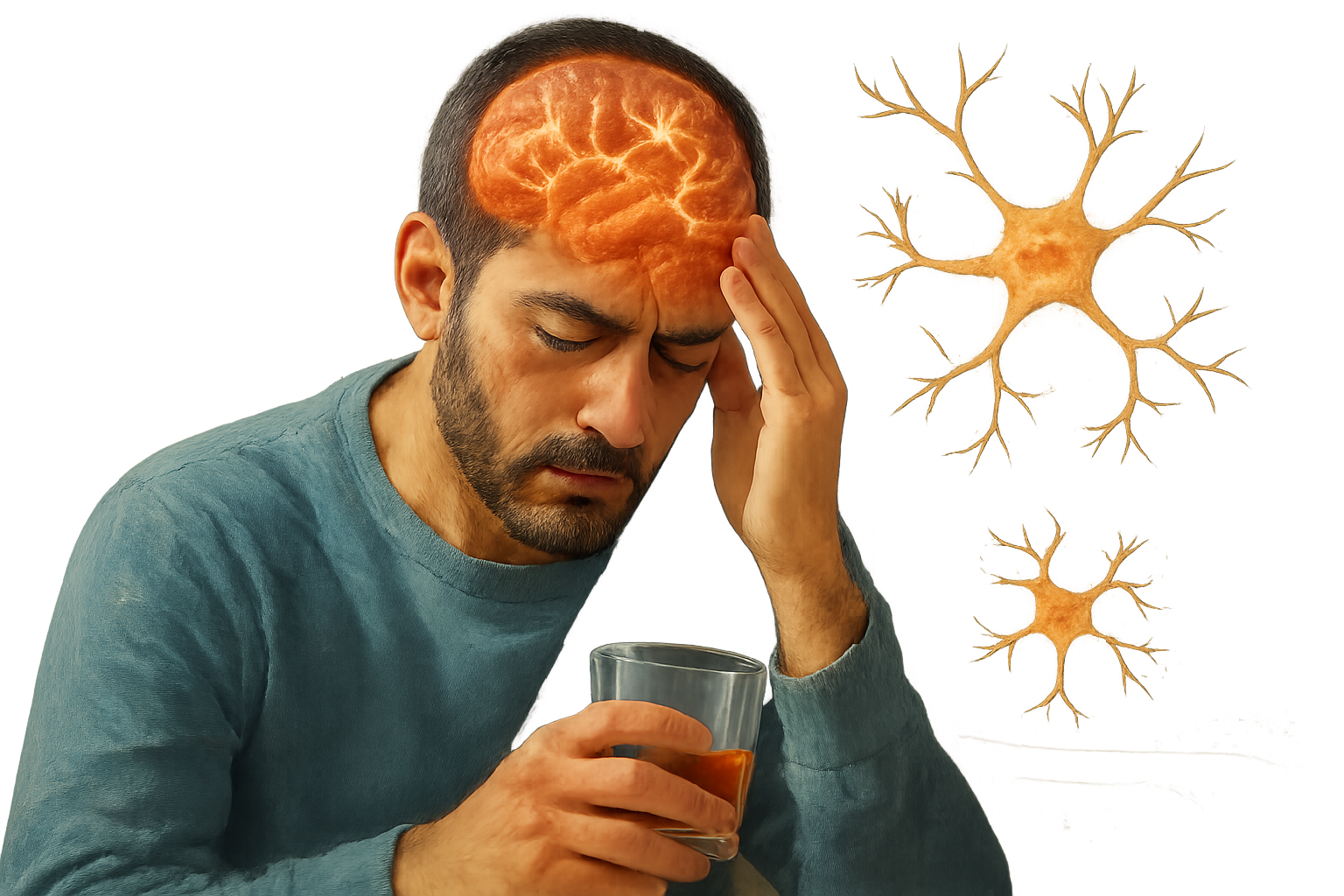
New research reveals that immune cells in the brain, called microglia, play a key role in how alcohol abuse leads to brain damage and dysfunction, suggesting a potential new target for treatment.
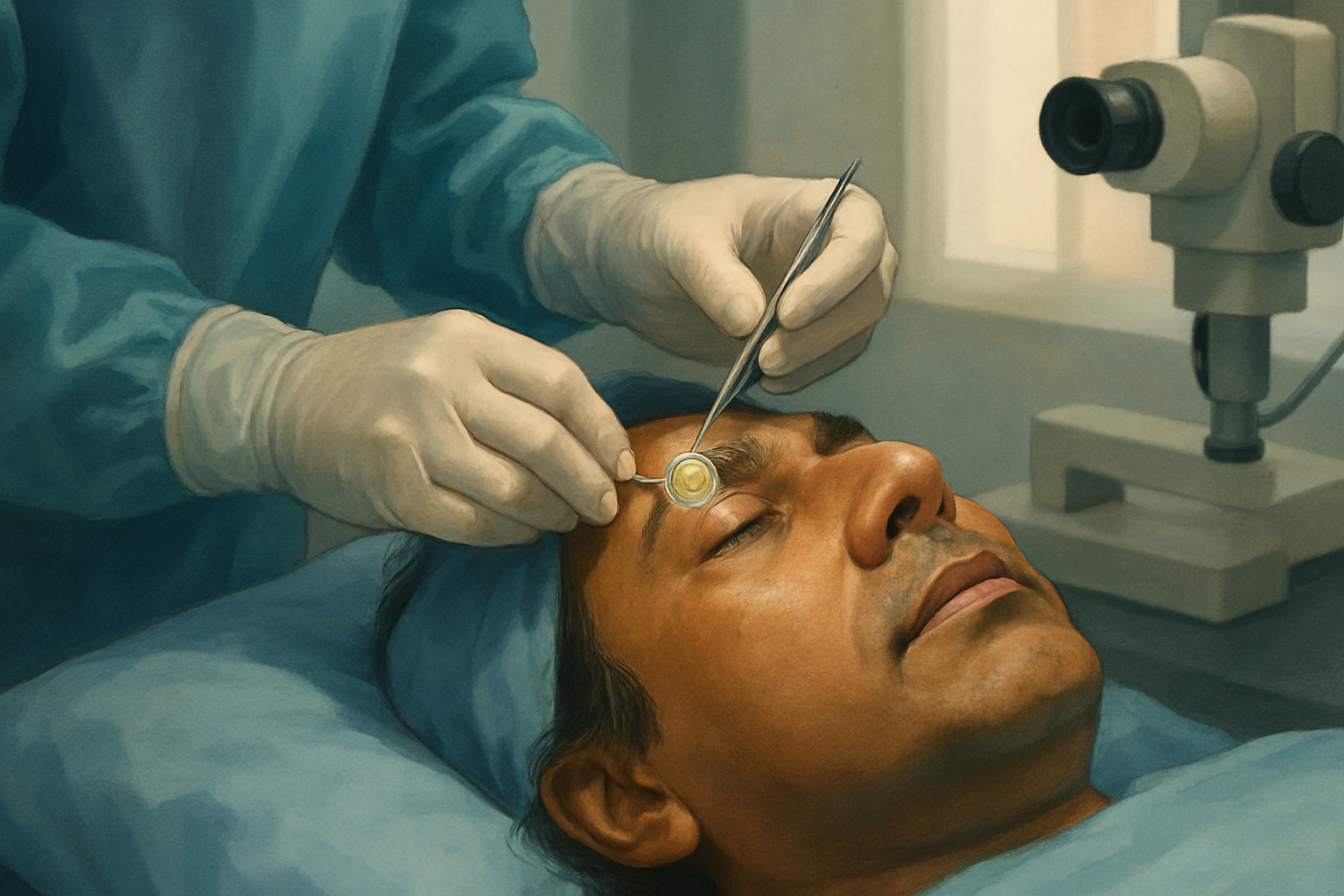
A new type of artificial lens designed for cataract surgery can gradually release a common glaucoma medication, potentially improving treatment by combining two procedures, early clinical trial results suggest.
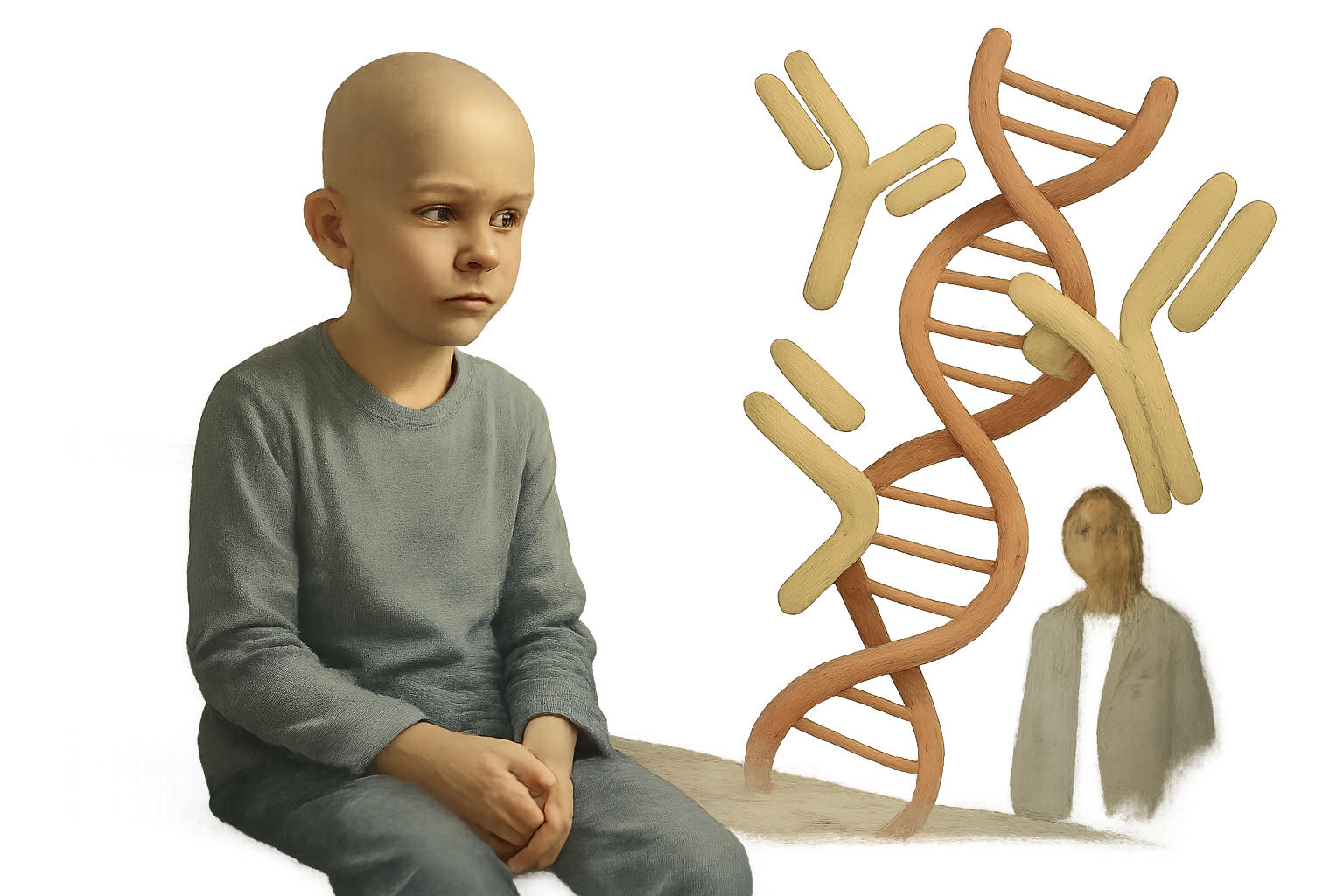
Norwegian researchers have uncovered abnormal antibodies targeting DNA repair proteins in children with cancer, suggesting a possible new mechanism behind the disease.
Ever find yourself laughing uncontrollably, even when it’s not the right moment? Scientists are exploring what happens in the brain during these episodes.
A new treatment for knee arthritis uses microscopic dissolvable particles to block abnormal blood vessels, reducing inflammation and pain. About 80% of patients in a study reported meaningful pain relief lasting at least a year without needing surgery.
Researchers at Aarhus University have used prime editing technology to correct a genetic defect in blood stem cells from patients with GATA2 deficiency, a condition that impairs immune system function. This approach directly repairs the mutation responsible for low immune cell production, potentially addressing the root cause of the disease.
A recent study found that licensed psilocybin centers in Oregon generally adhere to recommended safety guidelines, offering insight into how the first regulated psilocybin programs in the U.S. operate. However, the cost of treatment could limit accessibility for many patients.
New research explores how the arrangement of water molecules near a critical part of tau proteins might influence the harmful clumping seen in Alzheimer's and related dementias.
Researchers have found that mitochondrial activity in chronic myeloid leukemia (CML) cells might influence how well patients respond to treatment, suggesting a potential target to improve therapy effectiveness.
Researchers found that two small-molecule drugs reducing oxygen delivery to brain cells helped improve signs of neurodegeneration in a mouse model of Parkinson's disease, supporting earlier findings linking high oxygen levels with neuron damage.
Johns Hopkins researchers found preliminary evidence that a protein linked to blood pressure regulation might identify and possibly influence treatment-resistant schizophrenia and other psychoses.
Researchers at Northwestern Medicine have found a stem cell–like state in small-cell lung cancer tumors that is linked to poor patient outcomes after chemoimmunotherapy, offering a potential way to identify high-risk patients.
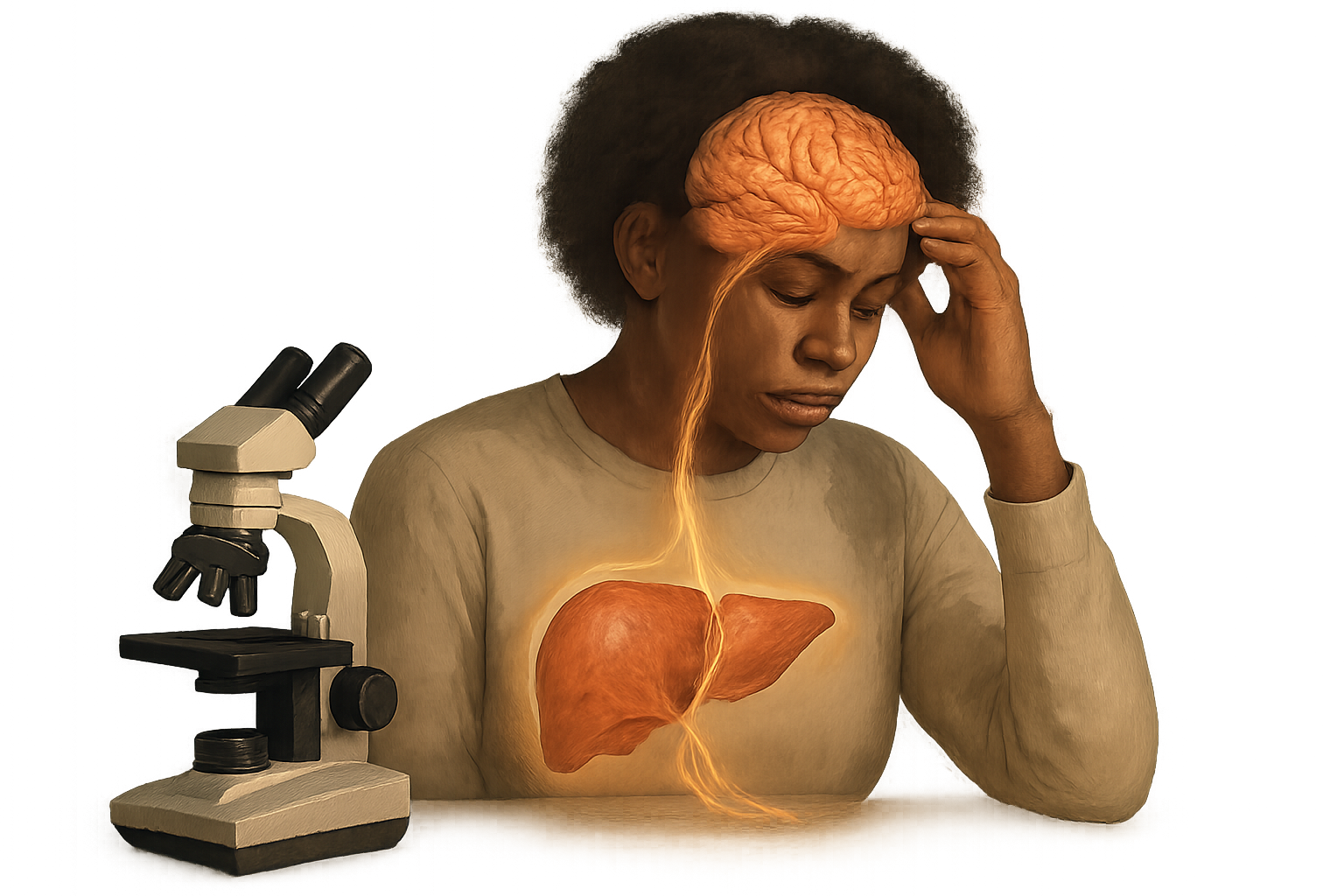
Research from Johns Hopkins Medicine shows that separate pathways in the liver and brain cause different symptoms of a rare inherited epilepsy disorder, highlighting the complexity of the disease.
A new study suggests that supplementing young children affected by prenatal alcohol exposure (PAE) with choline, a vital nutrient, can lead to lasting cognitive benefits. This offers hope for improved treatments for fetal alcohol spectrum disorder (FASD), a condition with limited current options.
Researchers have found that vanillin, the flavor compound in vanilla, may help fight infections, reduce inflammation, and support wound healing. This widely available and low-cost ingredient shows promise for future wound care and regenerative treatments.
A recent brain-imaging study found that intensive breathing exercises can significantly reduce blood flow to the brain and change how different brain areas communicate. These changes are associated with altered consciousness experiences similar to those caused by some psychedelic drugs.
A brief course of pre-surgery immunotherapy may provide long-lasting protection against relapse for some patients with certain stages of bowel cancer, according to early trial results with pembrolizumab.
Post-traumatic stress disorder (PTSD) affects nearly 4% of people worldwide. Using a stepped care approach can help match patients to treatments that suit their needs, but there is no agreement yet on which therapies to use, when to increase treatment intensity, or who should begin with more intensive options.
Adjusting the angle of your foot while walking may reduce knee osteoarthritis pain and slow cartilage damage, according to a year-long clinical trial comparing this method to medication.
Researchers have engineered a seed-sized device that can be injected to modulate nerve activity without surgery or implanted batteries. This new technology aims to improve treatment options for chronic pain and other disorders by using wireless energy from outside the body.
Researchers studying Jonathan, a giant tortoise aged 194 years, have identified genetic factors potentially linked to extreme longevity. The work is at an early stage, and its relevance to human aging remains uncertain.
Researchers have identified a possible reason why chronic wounds in diabetes do not heal properly. Immune cells in these wounds seem stuck in a damaging inflammatory state rather than switching to repair mode. This insight might help develop targeted treatments for diabetic ulcers.
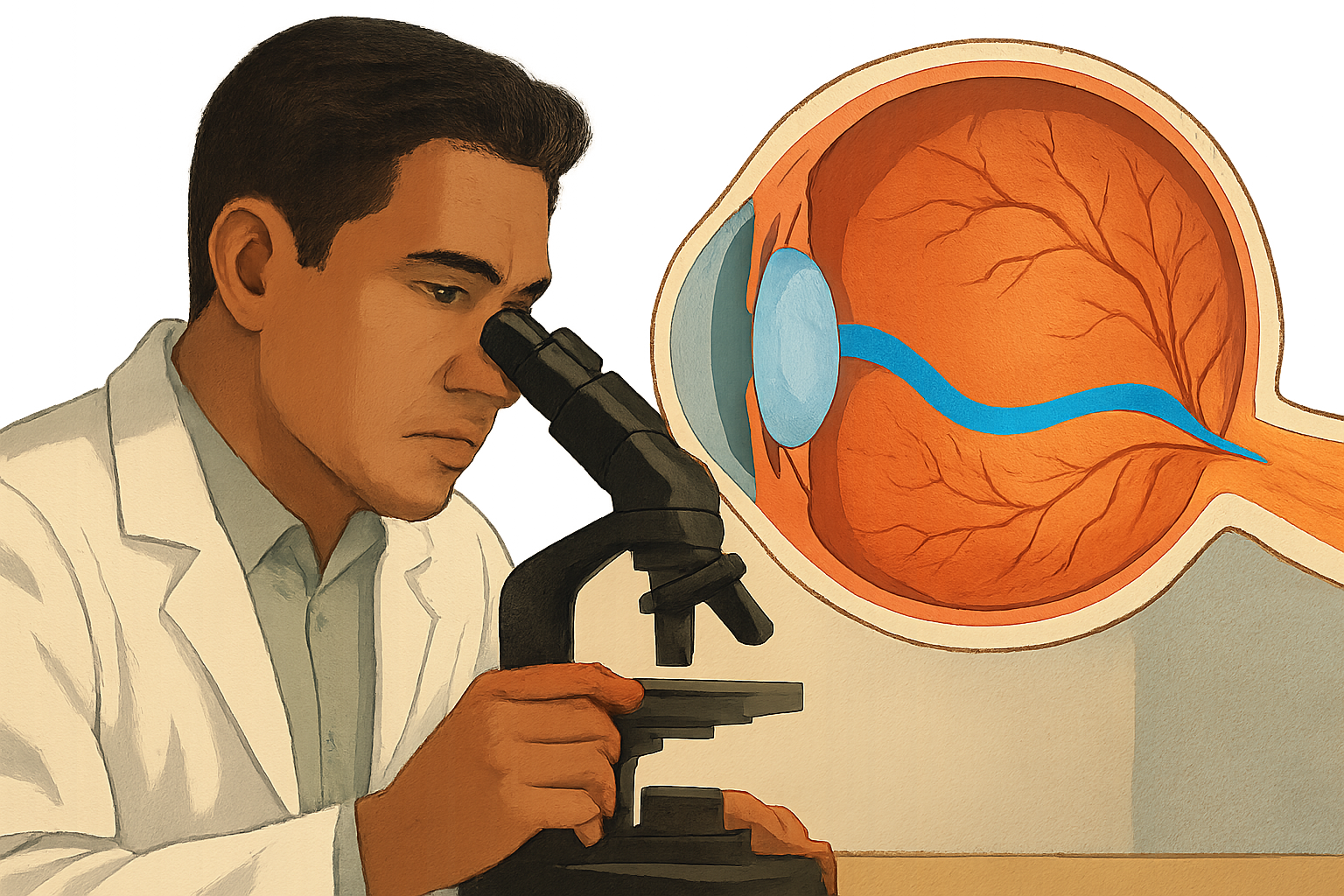
Researchers have found a previously unknown drainage pathway at the back of the eye in mice, which helps remove fluid and waste. This discovery could influence future approaches to eye diseases like glaucoma and macular degeneration.
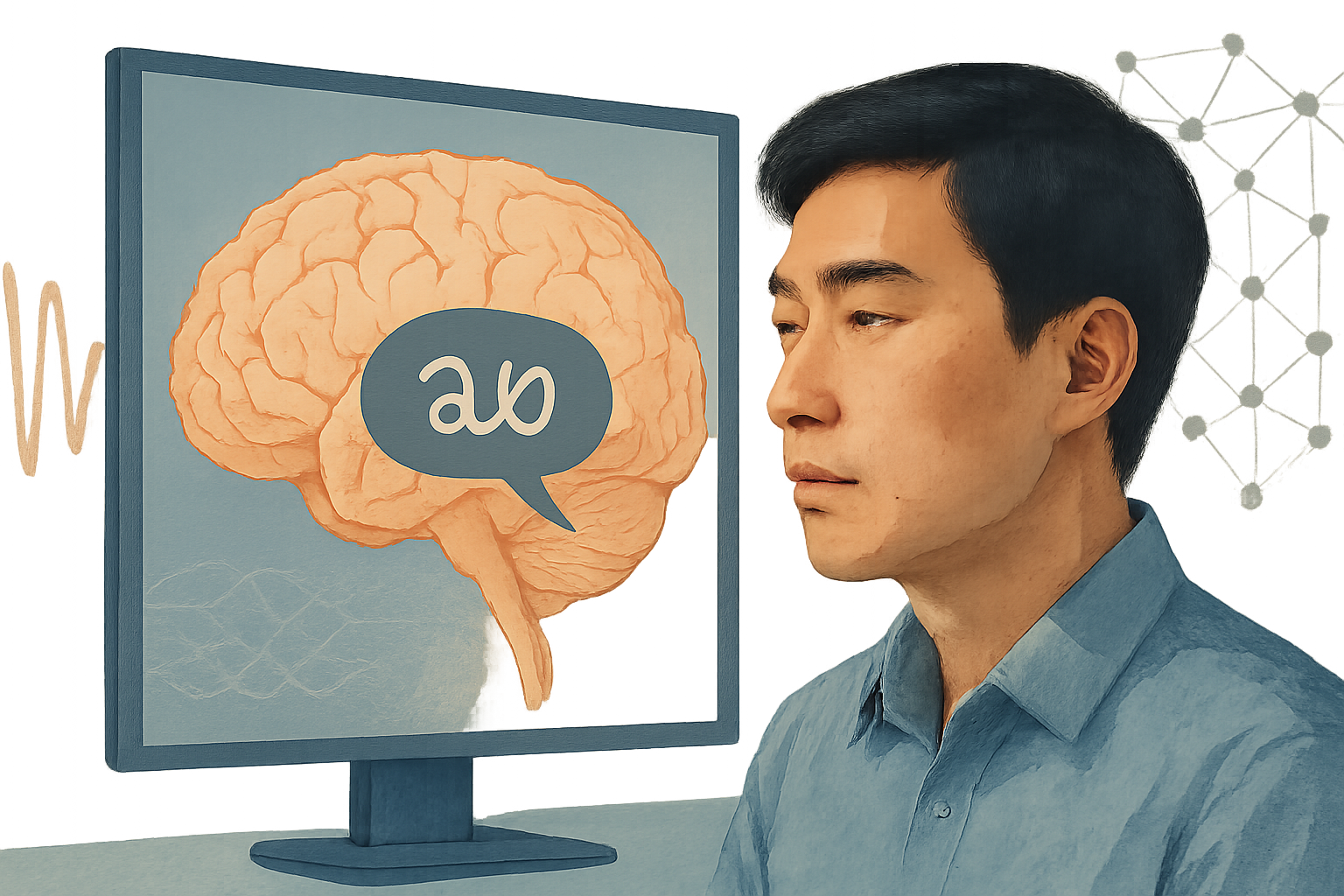
A new study uses techniques inspired by large language models (LLMs) to investigate how human brain cells process and represent the meaning of spoken words, highlighting the brain’s ability to understand words beyond their sounds and in context.
Researchers have identified a molecule called MEK that may cause tumor-fighting T cells to burn out, and blocking MEK could help these cells remain active longer against cancer.
High-dose vitamin B3, also known as niacin, is being tested alongside standard treatment for glioblastoma, a serious brain cancer. Early results from a small study show promise, with many patients avoiding cancer progression for six months. Researchers think niacin may reactivate immune cells weakened by the tumor, but more research is needed to confirm these findings and ensure safety.
New research finds that the essential amino acid leucine may help increase cellular energy by protecting mitochondrial proteins, suggesting a potential link between nutrition and metabolism with implications for metabolic diseases and cancer.
A vitamin D-like drug may weaken the defenses of pancreatic tumors, helping treatments work better. Early clinical trials found some promising effects, especially in tumors rich in vitamin D receptors.
Scientists have identified a molecule made by gut bacteria, called ImP, that may be connected to increased Alzheimer’s risk, brain protein buildup, and faster cognitive decline. This association opens new research directions but more evidence is needed before considering treatments.
A phase 2 trial found that daily vitamin C did not reduce abnormal blood cell growth in precancerous or low-risk blood cancers, but it was associated with improved inflammation markers and fewer serious complications. An exploratory follow-up suggested fewer deaths with vitamin C compared to placebo.
New research suggests that the gene APOE4, linked to higher Alzheimer’s risk, harms brain blood vessels and disrupts protein clearance systems. Experiments showed some of these effects can be reversed, pointing to potential new treatment avenues for Alzheimer’s and other brain diseases.
A new Australian study shows that even low doses of UV sunlight, which do not cause sunburn, can damage the DNA in skin cells. This damage could build up over time, potentially increasing the risk of skin cancer.
Researchers have discovered that stem cells driving high-risk myelodysplastic syndromes (MDS) depend heavily on a molecule called NAD for energy. Interrupting this reliance selectively weakened these cancerous cells, pointing to a possible new approach for therapies.
Researchers have discovered that several conditions linked to chronic fatigue, including long Covid, ME/CFS, and PTSD, might affect similar biological systems related to immunity, metabolism, and cellular energy. This discovery could help explain why these conditions share symptoms and might lead to new diagnostic tests and treatments.
A large MRI study has found that Alzheimer's disease, mild cognitive impairment, psychiatric disorders, and addiction relate to faster brain aging, with the strongest effects seen in Alzheimer's and mild cognitive impairment. ADHD and autism showed no significant differences in brain aging.
A recent diabetes study suggests that while maintaining blood sugar within a healthy range is beneficial, striving for extremely tight control might be linked to less favorable quality of life, as reported by patients themselves.
Researchers report longer-term results from a study using BCMA CAR-T therapy, delivered directly in the body, to treat patients with relapsed or refractory multiple myeloma. The findings provide insights into durability and safety but require careful interpretation.
A recent phase 3 clinical trial compared the oral small-molecule GLP-1 receptor agonist (GLP-1RA) safiglipron with dapagliflozin, a commonly prescribed sodium-glucose co-transporter 2 (SGLT2) inhibitor, in adults with type 2 diabetes. This study evaluated the relative effectiveness and safety of these two oral diabetes medications.
Research suggests that blocking the protein PAK4 can improve the outcomes of PD-1 immunotherapy in cancer treatment, based on laboratory and animal studies. Human evidence is limited, and further research is needed.
Research identifies GSK3β in intestinal epithelial cells as a regulator of fumarate-driven neutrophil changes that may promote colorectal cancer, based on laboratory and animal model studies.
Researchers have made progress in therapies targeting the p53 protein, an important factor in many cancers. This work is based on laboratory and early-stage studies that explore how manipulating p53 can affect cancer cells.
Research suggests low-dose aspirin may reduce colorectal cancer risk in people with Lynch syndrome, but its use remains uncommon due to potential side effects.
New research explores complex genetic mutations in human cancers, aiming to better understand the patterns and mechanisms of mutational changes that drive cancer development.